
Paid Promotion




Experience the luxury of slow travel in Malta and Gozo, where you will discover fascinating stories in every corner of the archipelago
Words by Dayna Camilleri-Clarke
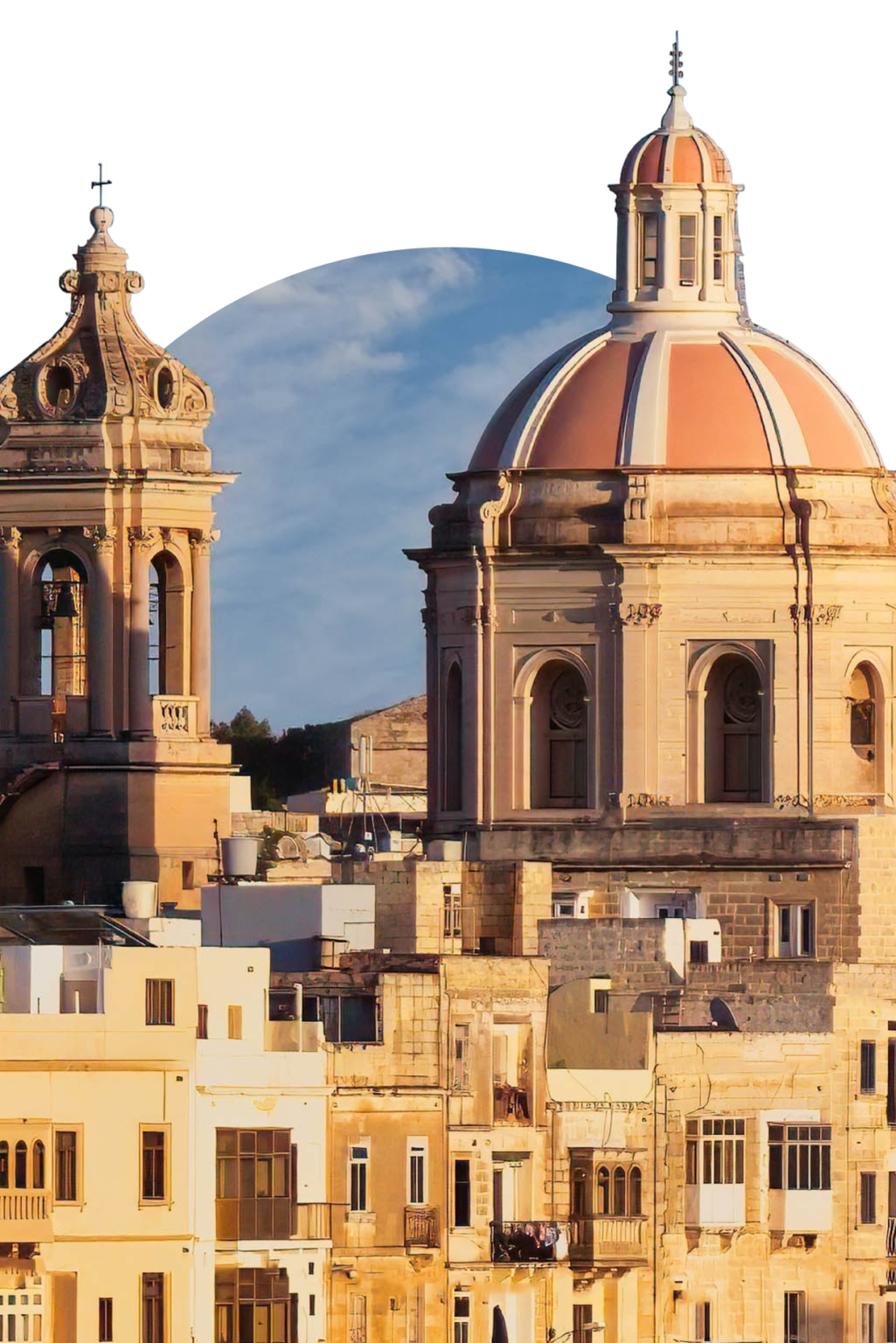
Captivating artists, writers and travellers for centuries, Malta was perhaps best described by D. H. Lawrence as “fairy-like for its all-too-much sunshine and its mysterious stone”. With more than 300 days of sunshine a year, the islands often seem to glow rather than reflect light, particularly at sunset, when Malta’s historical cities soften into sepia tones.
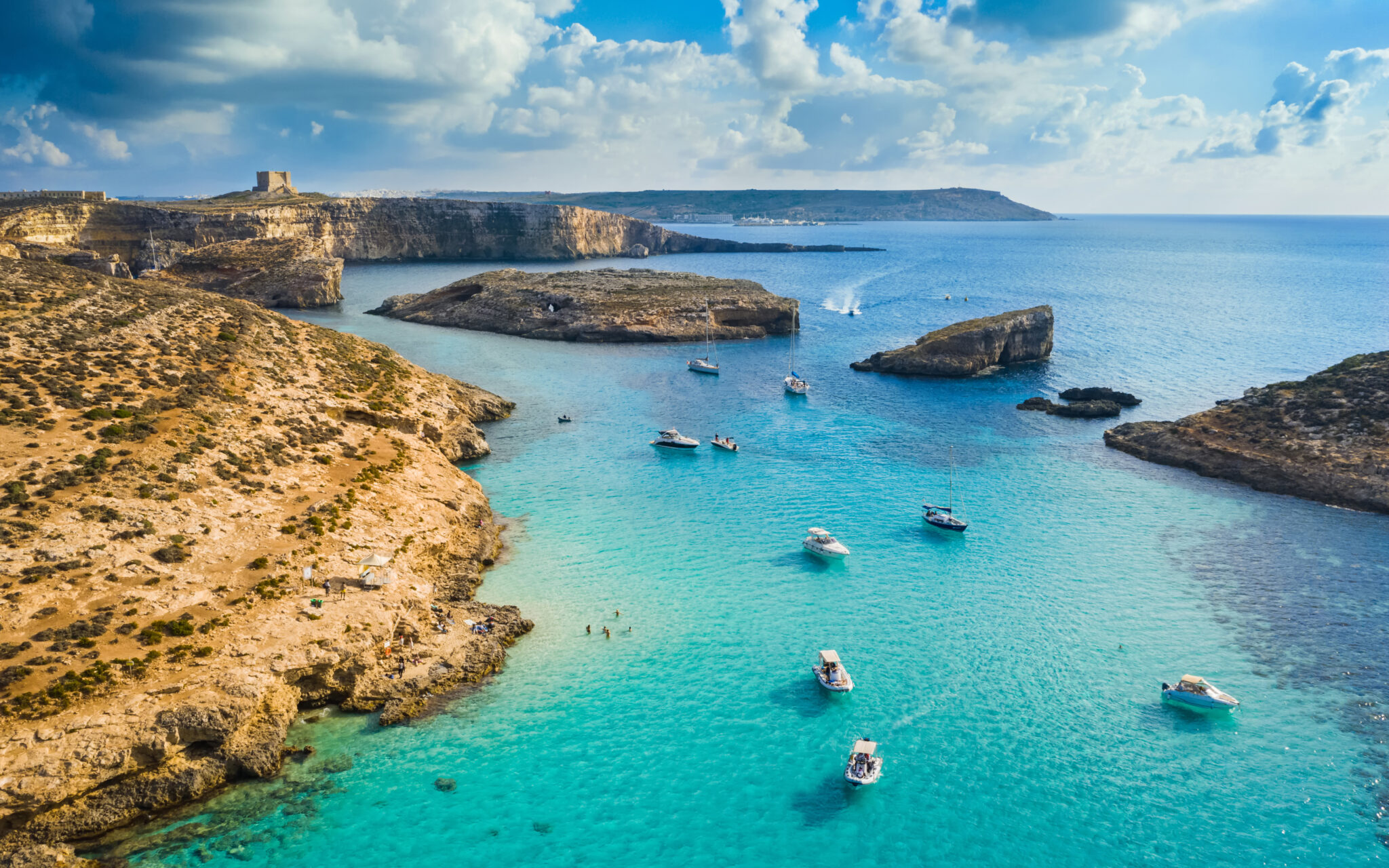
Offering fascinating history, a world-class dining scene and impossibly clear waters to swoon over, Malta has long seduced travellers seeking more than a conventional Mediterranean escape. Across the islands, some of the world’s oldest known free-standing stone temples sit alongside craggy coves and brightly painted fishing villages. While family-friendly resorts line much of the coastline, venture beyond the shore and you’ll discover another side to Malta. Expect Baroque palazzos and noble townhouses transformed into elegant boltholes with just a clutch of rooms, suited to slower, romantic stays.
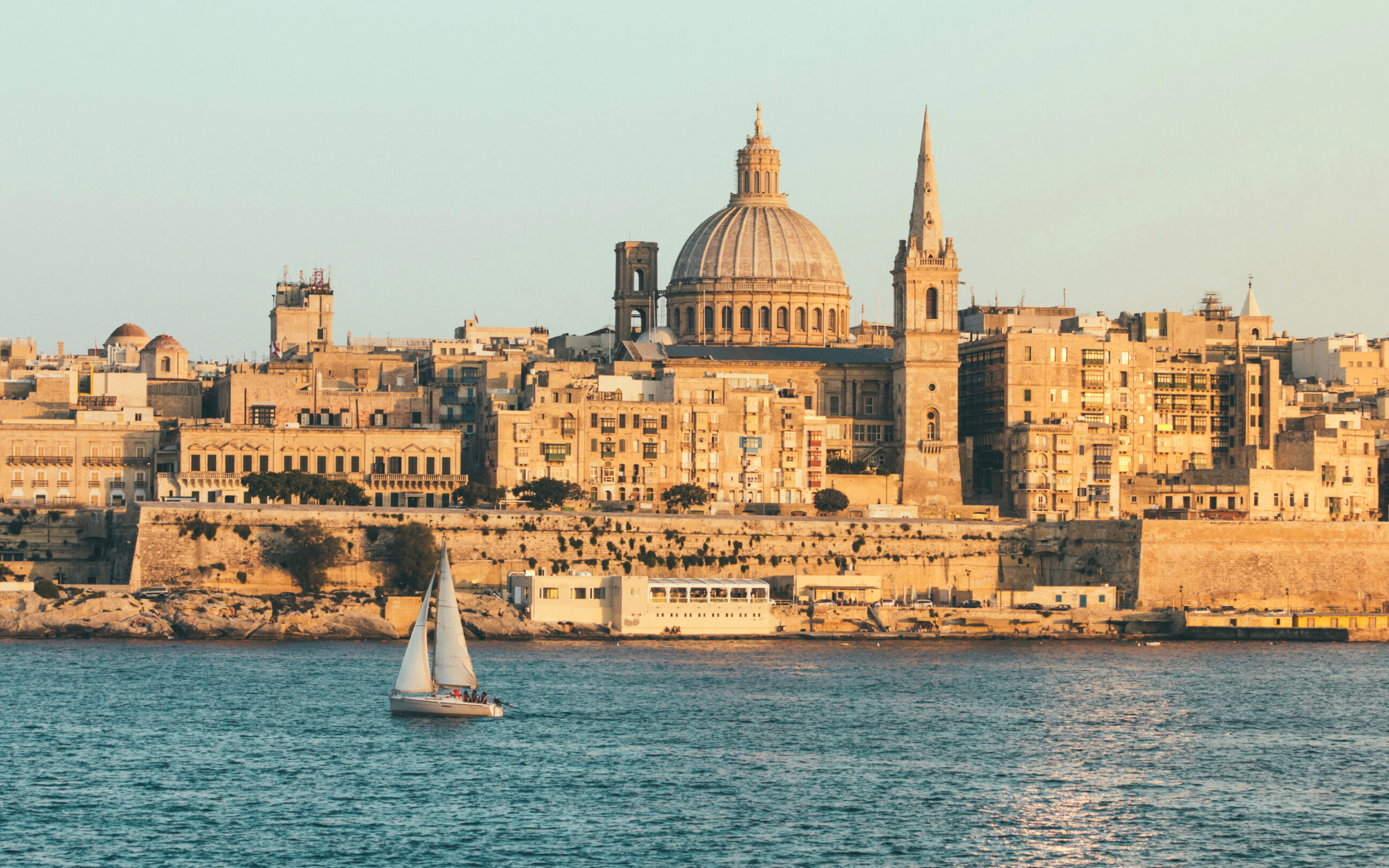
Above: St John’s Co-Cathedral in Valletta features one of Europe’s grandest Baroque interiors (Visit Malta)
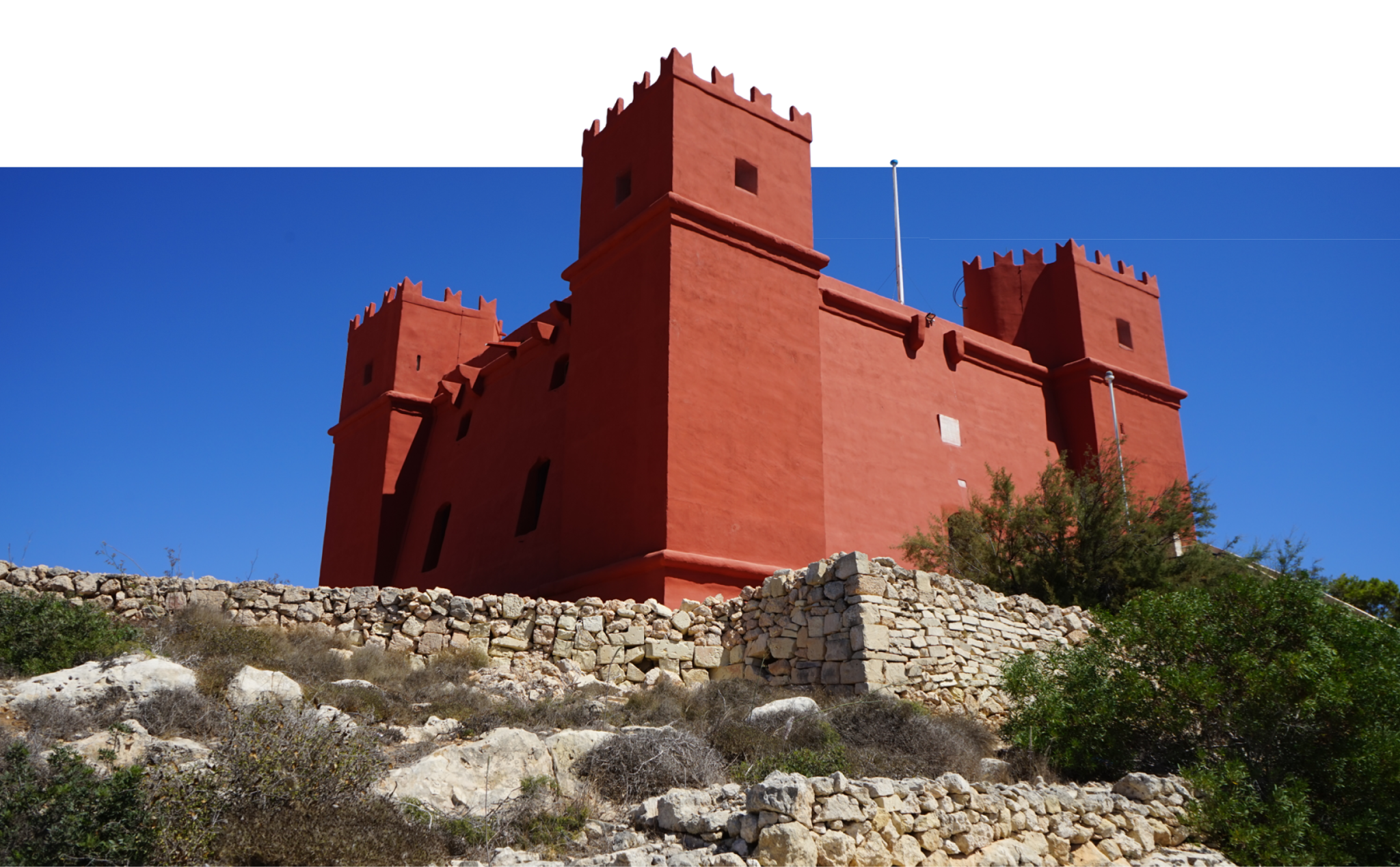
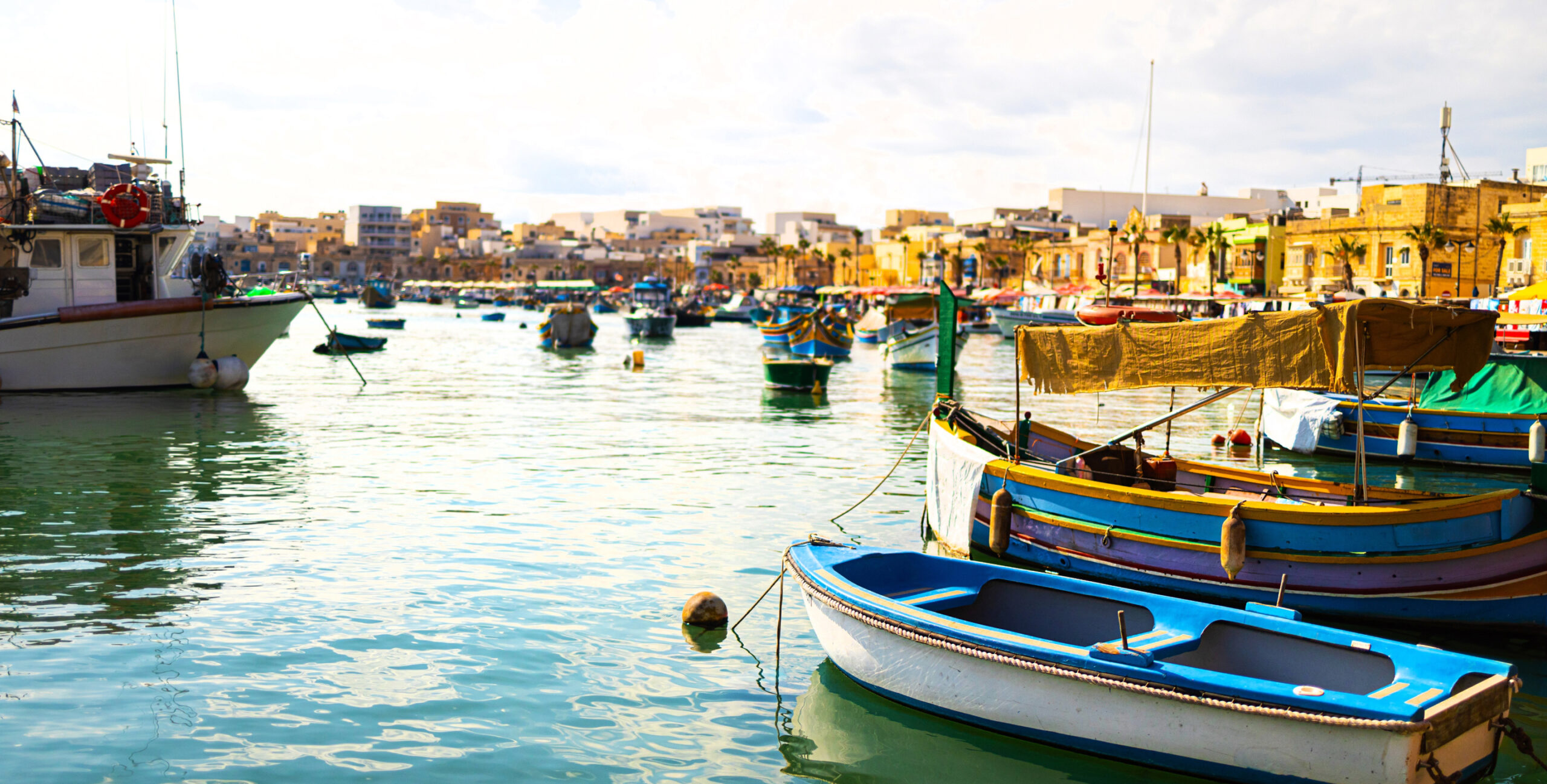
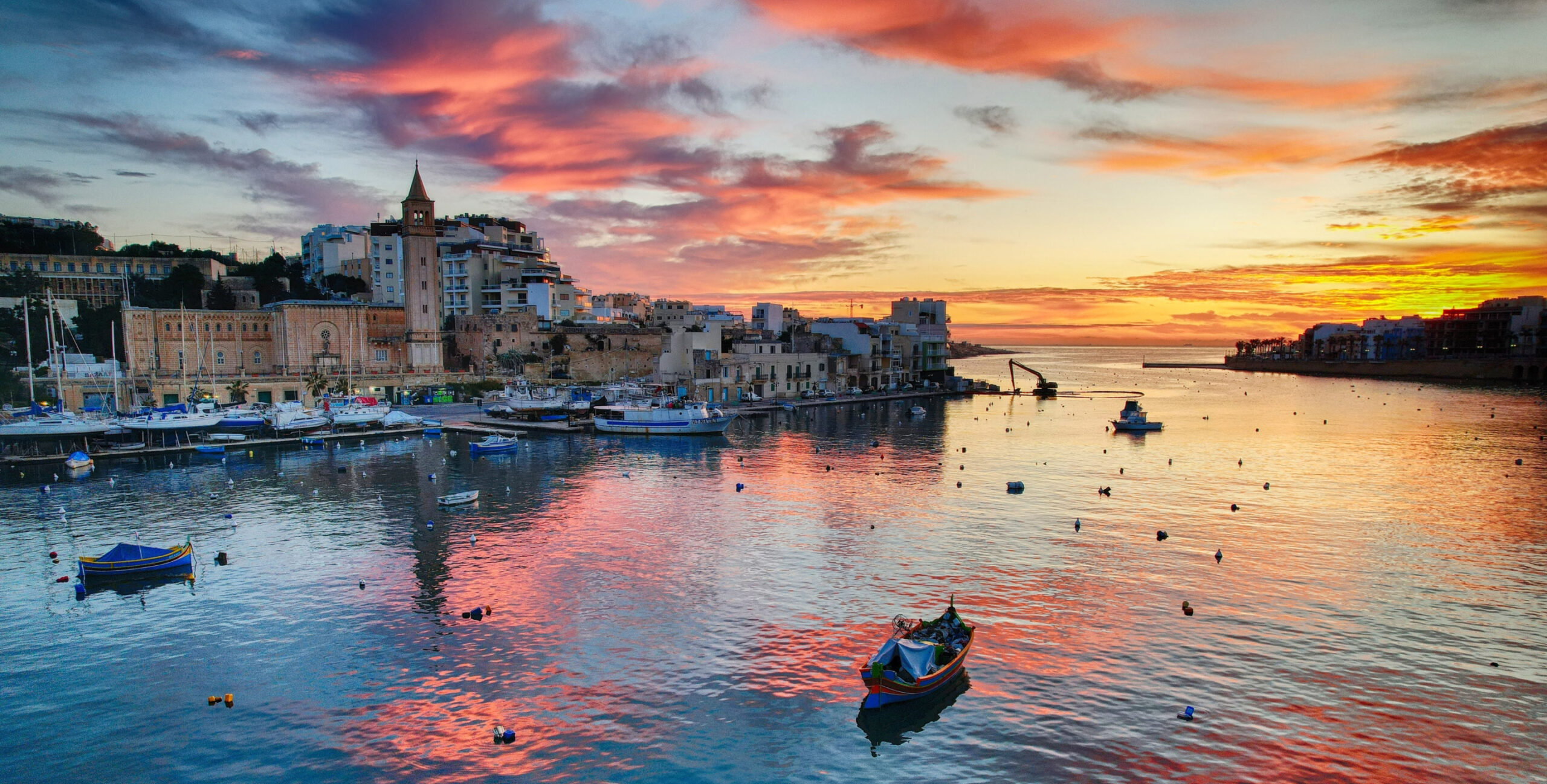
Malta’s position at the centre of the Mediterranean made these islands a coveted strategic prize through successive empires. Phoenicians, Romans, Arabs, the Knights of St John and the British all left their mark, shaping an archipelago defined by fortifications and cultural exchange. In 1942, King George VI awarded Malta the George Cross for the extraordinary bravery shown by the Maltese people during the Second World War. Look closely, and this heritage is impossible to miss. Watchtowers guard the coastline, fortified cities overlook natural harbours and luzzu fishing boats carry the painted eyes of Horus inherited from Phoenician predecessors.
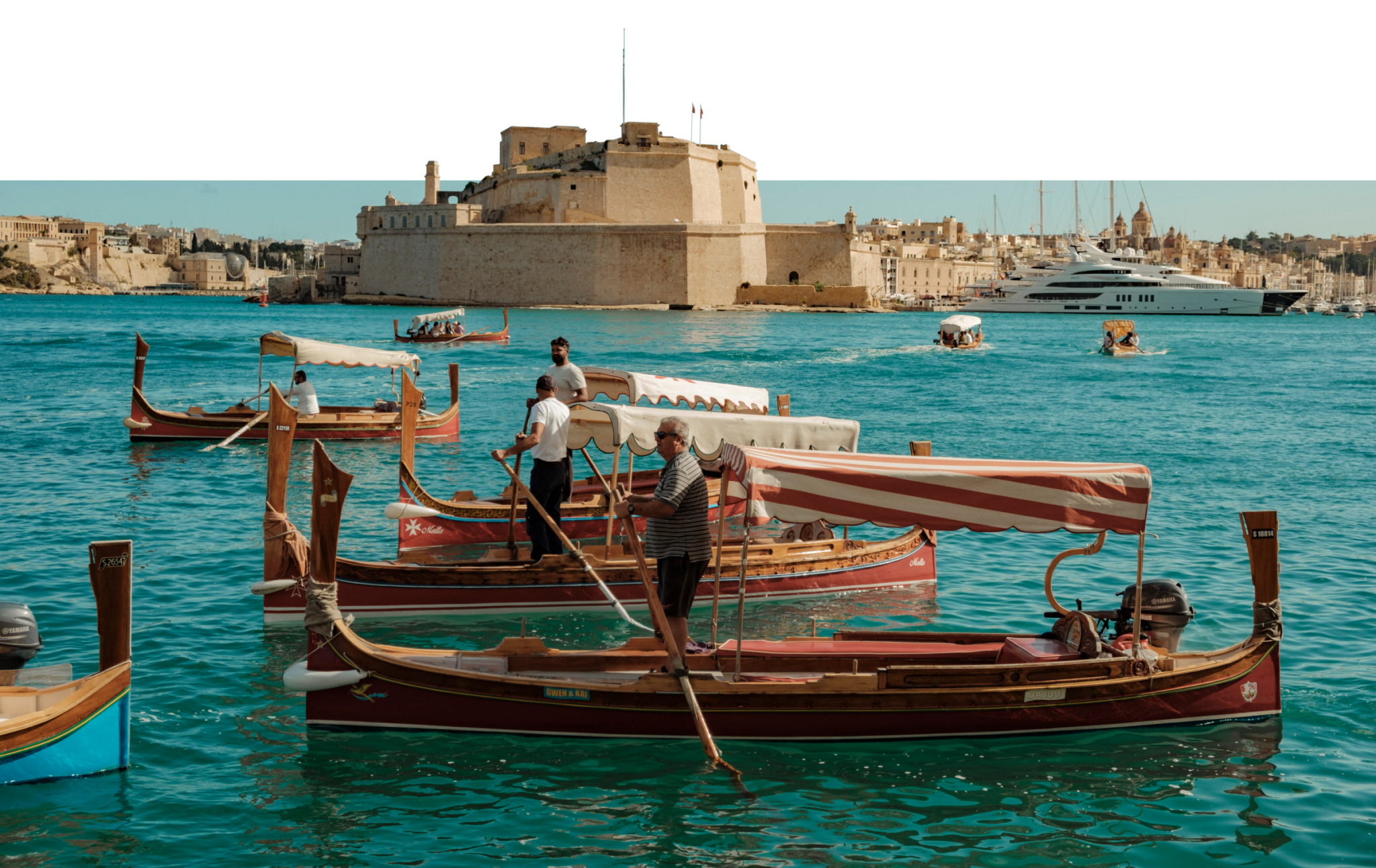
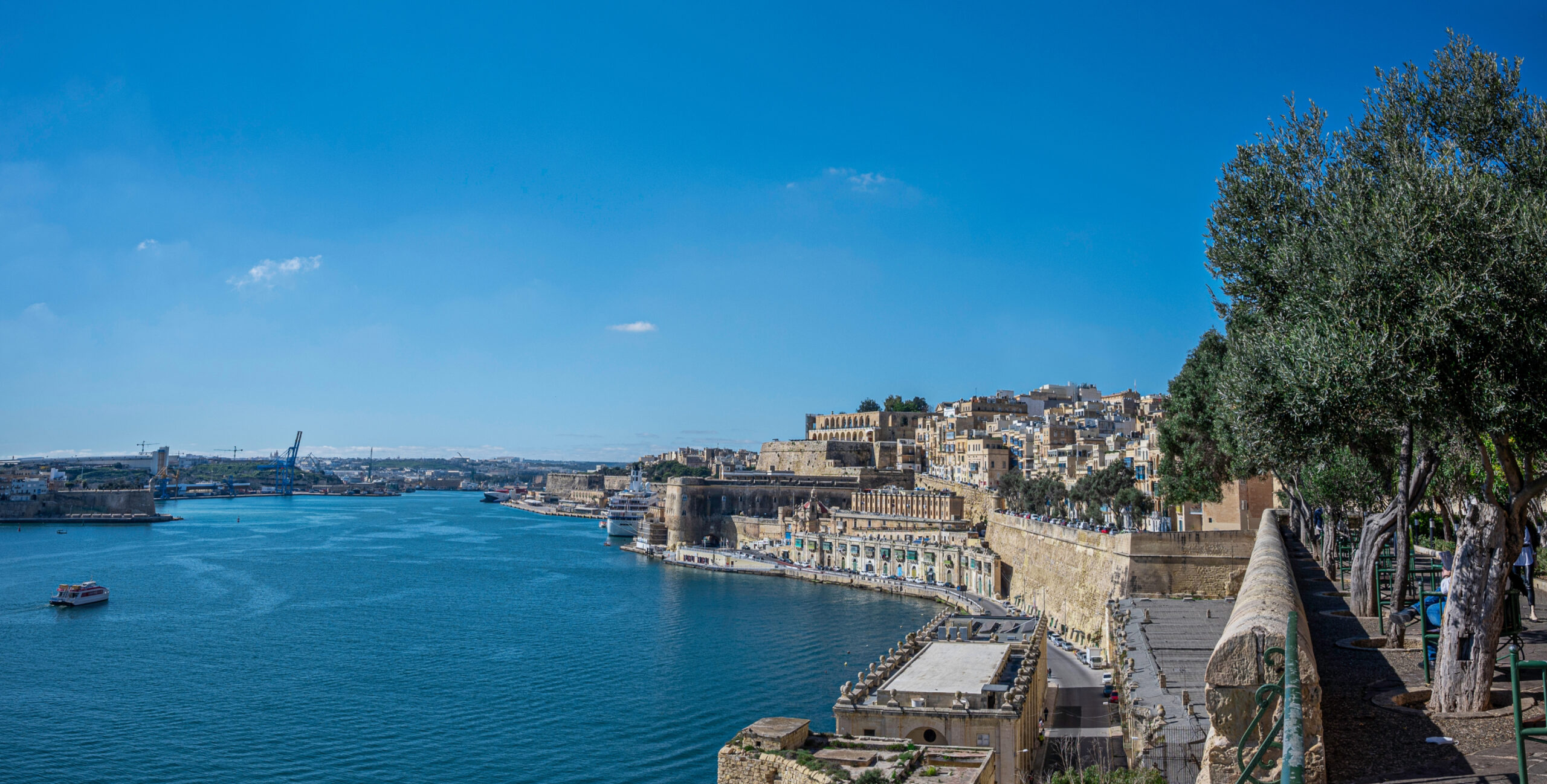
Valletta is usually where people begin. Built by the Knights Hospitaller after the Great Siege of 1565, it was designed to defend the island while signalling the Order’s growing power throughout the Mediterranean. Even now, the city feels astonishingly compact for a place that has seen so much. And that sense of order was intentional. Valletta’s geometric street plan, laid out by Francesco Laparelli, predated Manhattan’s grid by some three centuries.
Monumental bastions, Renaissance churches and knights’ auberges still mark the skyline, though Valletta no longer feels solely defined by its past. Since serving as a European Capital of Culture in 2018, it has enjoyed a stylish second act, with contemporary galleries, ambitious restaurants and design-led spaces giving the old city renewed confidence.
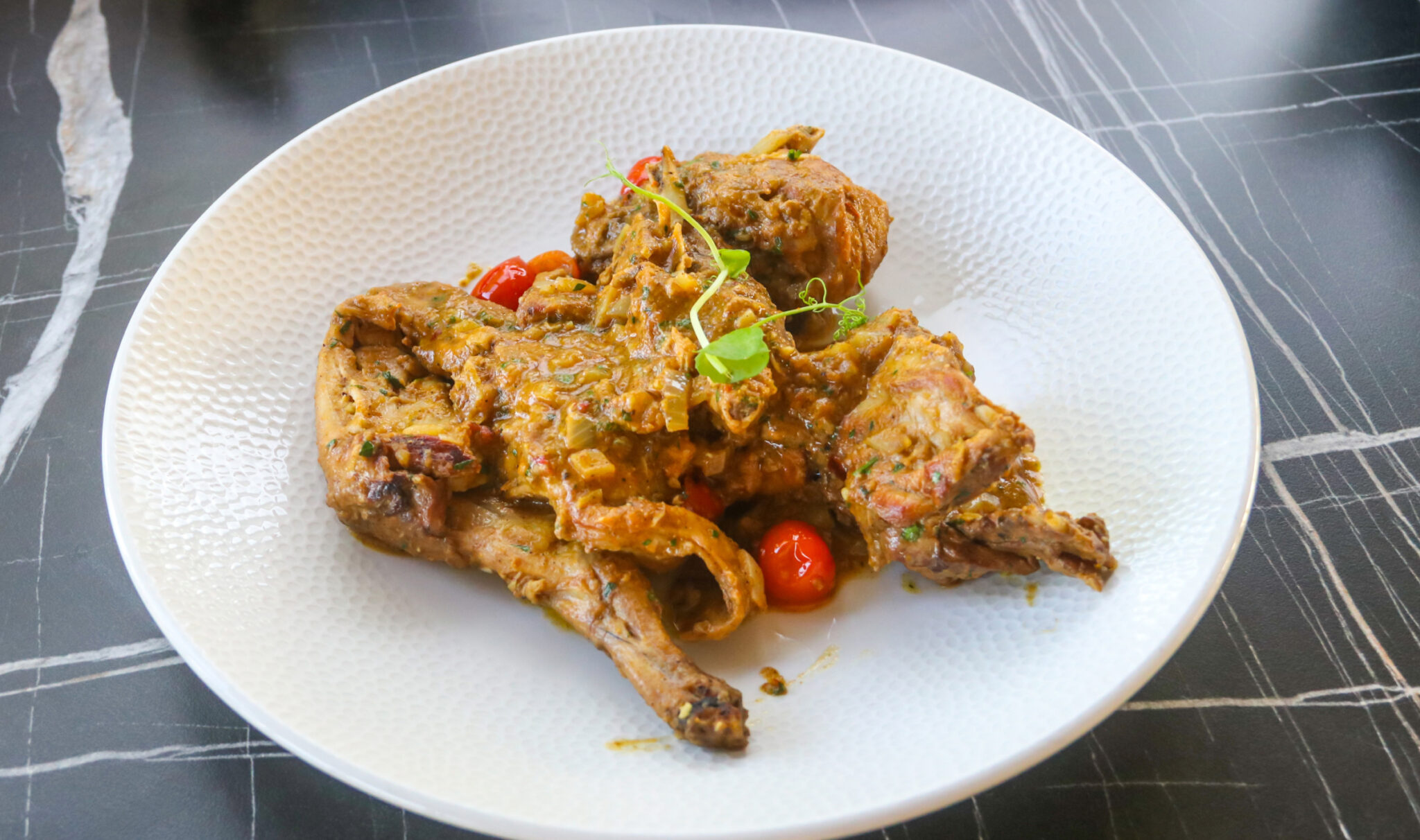
Above: Outdoor dining amid Malta’s wild Mediterranean countryside (Visit Malta)
Malta’s cuisine is best described as “edible archaeology”, a mosaic of Italian, North African, Mediterranean and British influences. At the crossroads of empires, the island’s food scene reveals two sides of Malta’s evolving identity, with rustic local dishes alongside refined Michelin-starred dining.
You might expect a seafood bounty, but Malta’s national dish is, counterintuitively, rabbit. The story goes back to the rule of the Knights Hospitaller, when rabbit hunting was banned across the islands and families began raising their own instead. Today, fenkata feasts are still part of Maltese life.
Everyday life here continues to revolve around neighbourhood bakeries, with crusty sourdough Ħobż tal-Malti appearing on dinner tables across the islands and ftira flatbread recognised by UNESCO as part of Malta’s intangible cultural heritage. If you find yourself in Valletta, follow your nose down to Nenu the Artisan Baker, where handmade ftajjar are still baked in a functioning 200-year-old oven.
The city is now home to some of the Mediterranean’s most talked-about kitchens, including Michelin-starred Noni, where chef Jonathan Brincat draws on nostalgic Maltese flavours for inspiration. Further along Republic Street, Under Grain sees MasterChef judge Victor Borg deliver confident coastal cooking, earning the restaurant a Michelin star just months after opening.
Then there is ION Harbour, Malta’s only two-Michelin-starred restaurant, where British chef Simon Rogan works with local farmers, foragers and fishermen on an ever-evolving tasting menu guided by the seasons. Dishes such as dry-aged red bream cooked over embers and celeriac baked in Gozitan sea salt reflect Malta’s growing reputation as one of Europe’s most exciting places to eat.
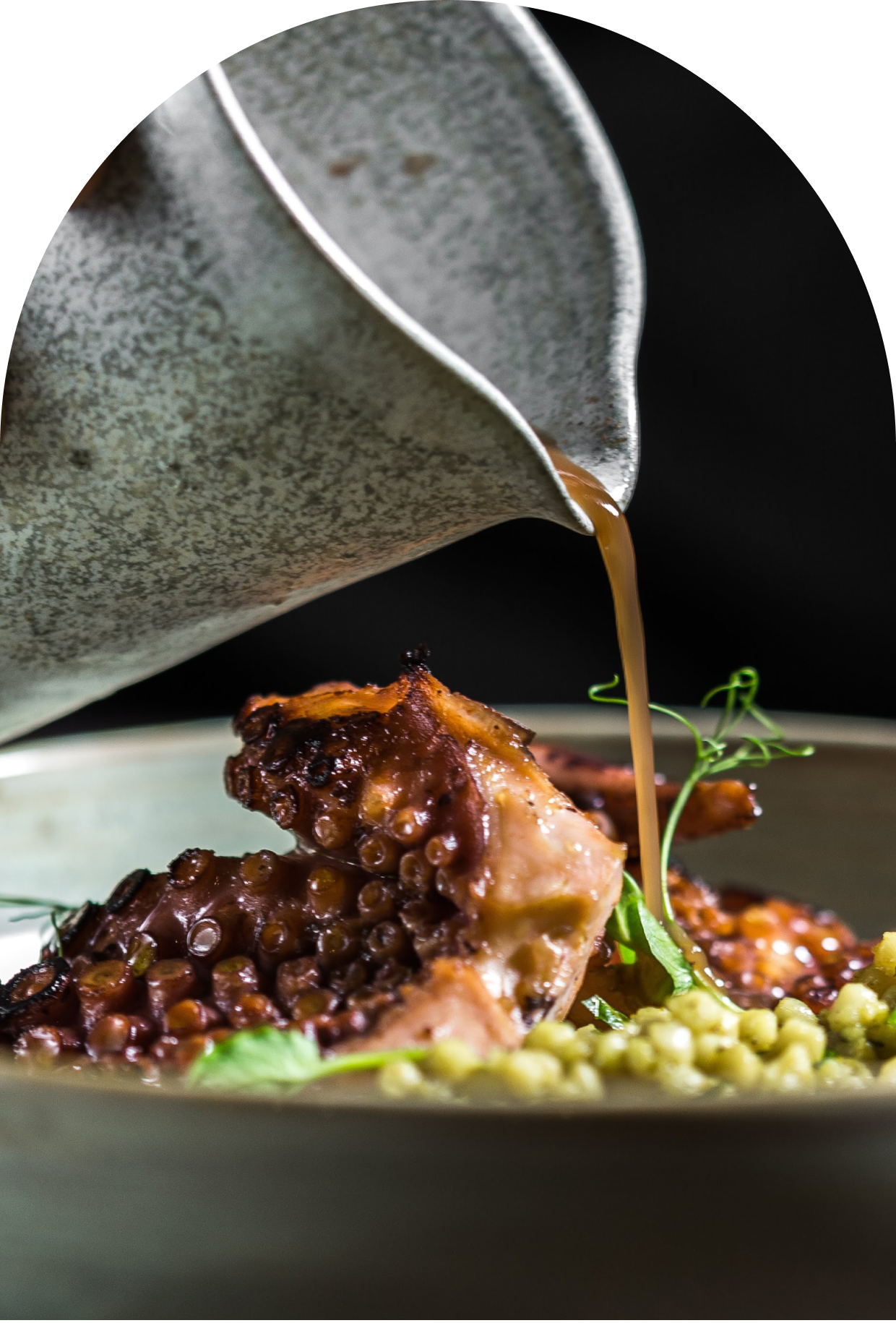
Malta’s dining scene offers fresh seafood and Michelin stars (Visit Malta)
Above: A statue of St Mary at a traditional festa (Shutterstock)
In Malta’s villages, timeworn shop signs still hint at the trade inside – a tailor here, an ironmonger there. Families continue trades passed down through generations behind heavy timber doors and ornate brass knockers, often welcoming visitors into their workshops along the way.
There are bars, too, that look little more than a doorway in the limestone. Stop for a te fit-tazza, Malta’s beloved milky tea served in a glass, and you’ll hear a local say mela (so!), a uniquely Maltese expression that can mean almost anything depending on tone. It offers a window into a melodic tongue that proudly remains the only Semitic national language written in Latin script. In summer, many of these same streets erupt into parish festas, with brass bands, fireworks and coloured banners carrying celebrations late into the night.
Valletta’s independent creative spaces offer another canvas for these local stories. At Oġġetti Sbieħ, Thomas Camilleri has beautifully restored a 200-year-old shopfront filled with antique tiles, vintage curios and regional art. As you browse, listen to him recount the building’s fascinating evolution from a forgotten British servicemen’s bazaar into a sanctuary for beautiful objects.
In Floriana, just outside Valletta’s fortifications, residents gather to play bocci. Cylindrical wooden blocks are thrown towards a small target ball known as the pallina, and it rarely takes long before visitors are encouraged to join in the action.
There are hands-on experiences to be found further inland, too. At Villa Bologna in Attard, visitors can join local artisans for ceramic painting workshops, creating colourful keepsakes inspired by Maltese motifs.
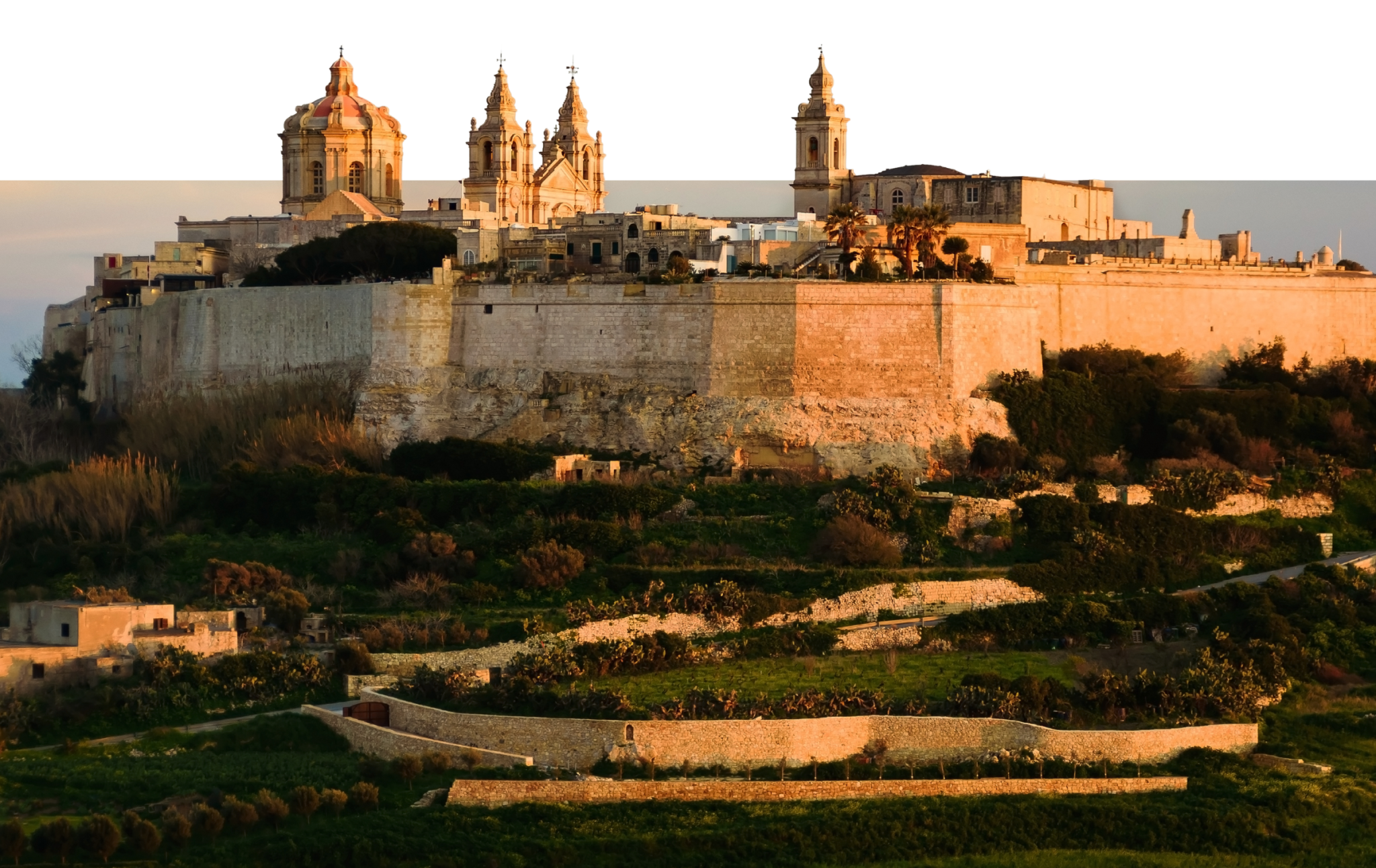
If you’d rather leave it to the professionals, artist Stephanie Borg works from her Rabat townhouse, where illustrations draw on Malta’s patterned tiles and disappearing village details. Walk straight from her studio through the gates of Mdina once the day-trippers have gone, and the mood changes entirely. Historian Mario Cacciottolo guides visitors through narrow, lantern-lit alleyways on his After Dark Malta tours. Digging through gritty archival records, he revives old ghost stories and Knights-era lore. On this twilight walk, you’ll hear chilling secrets hidden within grand palazzos and accounts of Mdina’s famous headless bride, Katerina, drifting past moonlit ramparts.
Across the archipelago, Heritage Malta’s “Taste History” evenings bring candlelit dinners into buildings such as the Inquisitor’s Palace, with menus built around traditional Maltese recipes plucked from obscurity.
Malta’s historic settings continue to find new audiences in other ways, too. Its dramatic landscape has made the country something of a chameleon for the silver screen, attracting travellers eager to seek out the backdrops of blockbusters such as Gladiator, Napoleon and Jurassic World Dominion. It recently appeared as a fictional Greeck idyll in the BBC series Two Days in August.
Explore these cinematic landscapes by all means, but slow down and engage with local life, and the best story you tell will ultimately be your own.
Above: Catch a ferry to Gozo (Shutterstock)
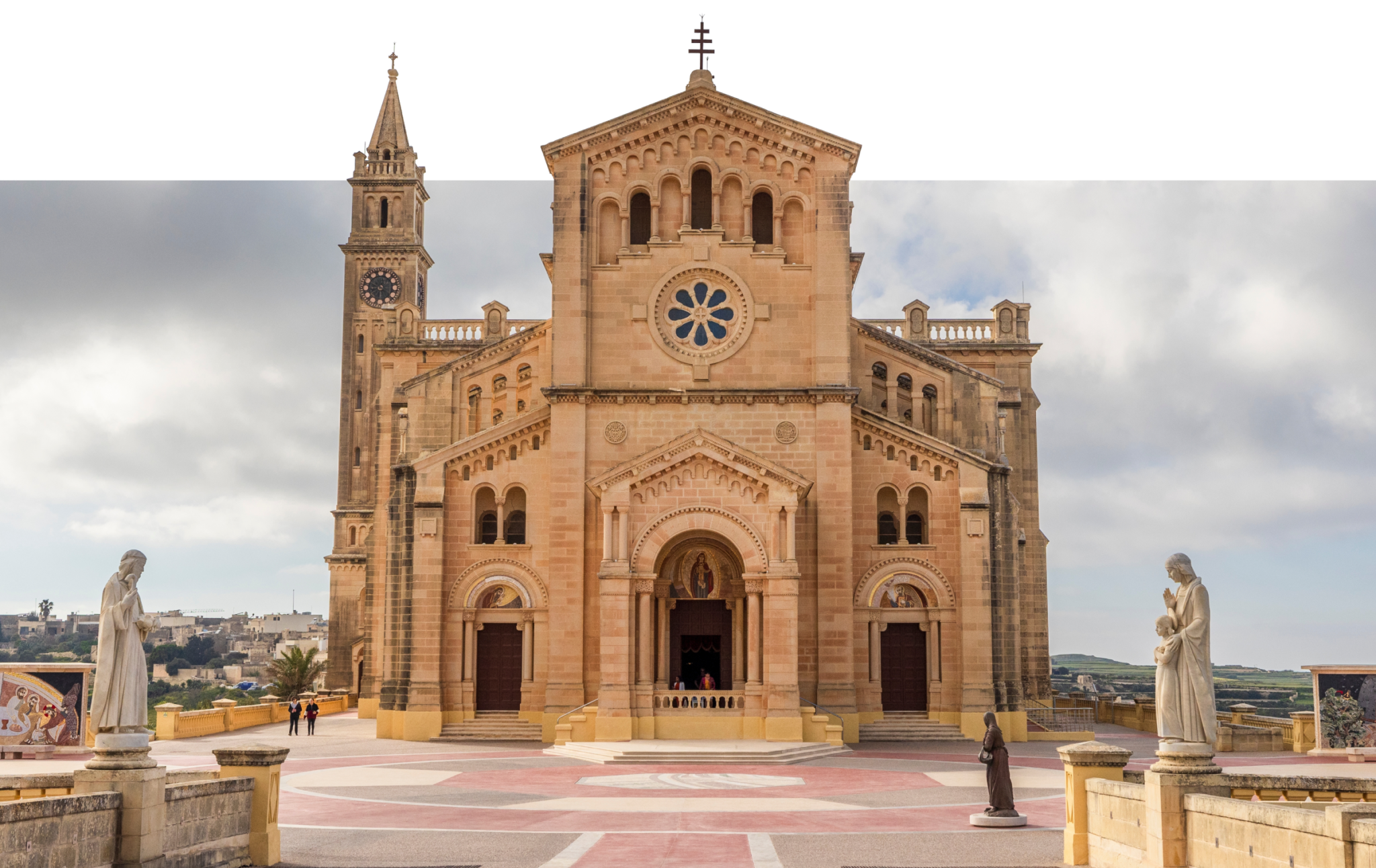
Rural, peaceful and delightfully laid-back, Gozo is just a short ferry ride from its busier big sister, Malta. To the outside world, it is known by the name the Aragonese bestowed upon it: Gozo, often linked to the word for “joy”. And joyful it certainly is. The moment you step ashore, the pace eases. Here, the landscape is a lattice of tiny fields and dry-stone walls, broken by villages such as Għarb, where the pilgrimage basilica of Ta’ Pinu dominates the surrounding countryside. With over 7,000 years of history, Gozo is steeped in legend. Locals will tell you the nymph Calypso once lived here, luring Odysseus and keeping him captive in a cave above Ramla Bay for seven years, just as Homer described in the Odyssey.
The Citadel overlooks Victoria, Gozo’s small capital, where narrow streets and stone stairways once sheltered islanders during attacks from the sea. Below, mornings begin leisurely around Independence Square over coffee, pastizz pastries and conversation. And if your ear catches a difference in the Maltese language, you wouldn’t be wrong. Gozo has its own distinct dialect.
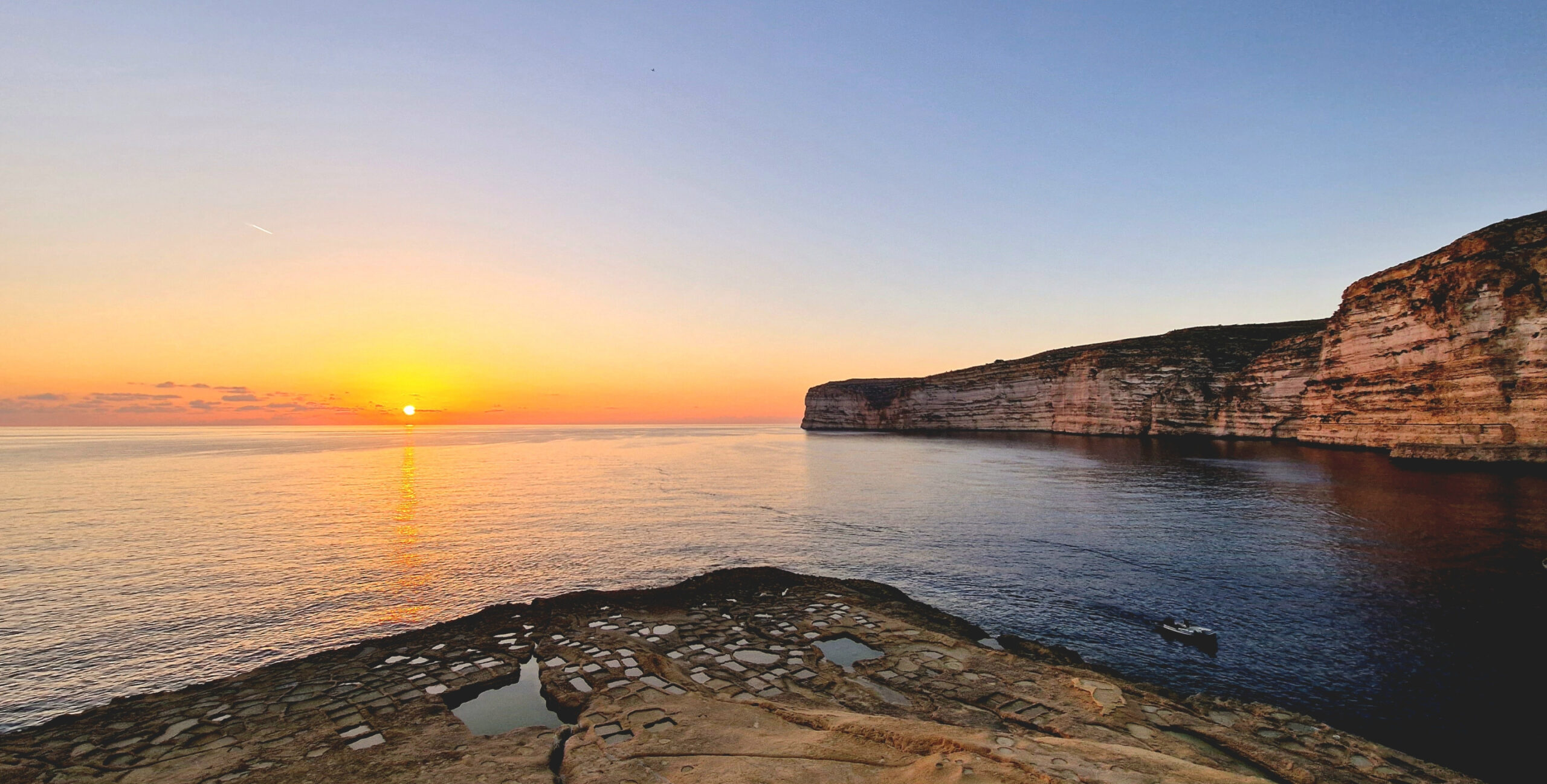
Evenings in Gozo tend to end by the sea. Around sunset, tables in Xlendi Bay begin to fill, with seafood restaurants sitting right against the water. Start with a platter of fresh, peppery ġbejna cheeses and sausage, or go straight for lampuki, often brought in that same day.
To trace these flavours back to their source, head inland to Ta’ Mena Estate, where agricultural traditions continue to thrive. Here, you can wash your meal down with a glass of local wine stamped with the protected DOK logo. The wine’s distinctive taste comes largely from the elements. During the hot summer months, vines are cooled by sea spray and nourished by heavy night dew, giving the grapes their saline edge.
Yet Gozo’s natural beauty extends well beyond daylight hours. Around the sharp coastal cliffs of Dwejra, where development thins out almost entirely, dark skies make this one of the Mediterranean’s most rewarding places for stargazing. Far from the urban glare of Malta, brilliant constellations and the Milky Way emerge with staggering clarity overhead, capping off the kind of evening Gozo does best.
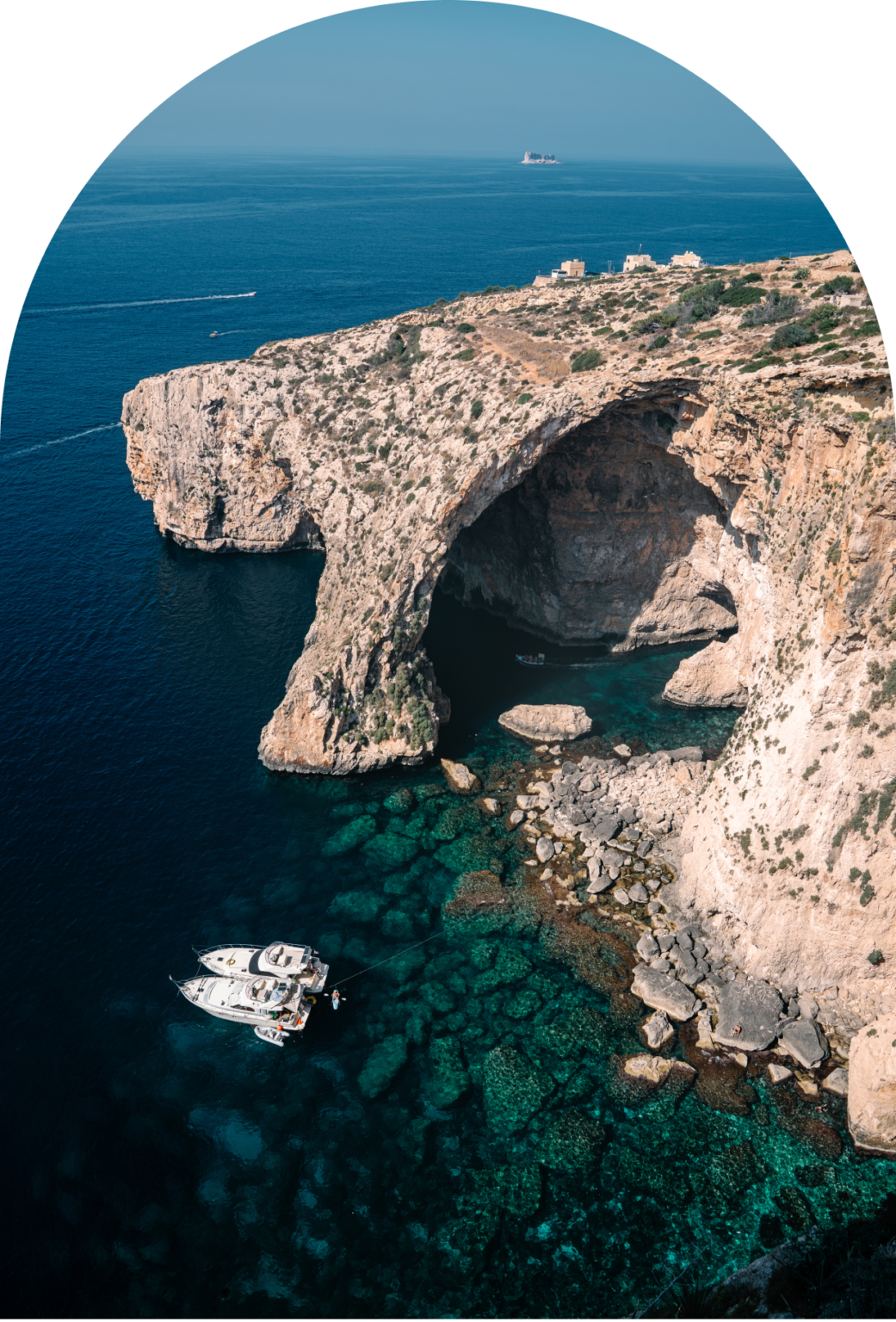
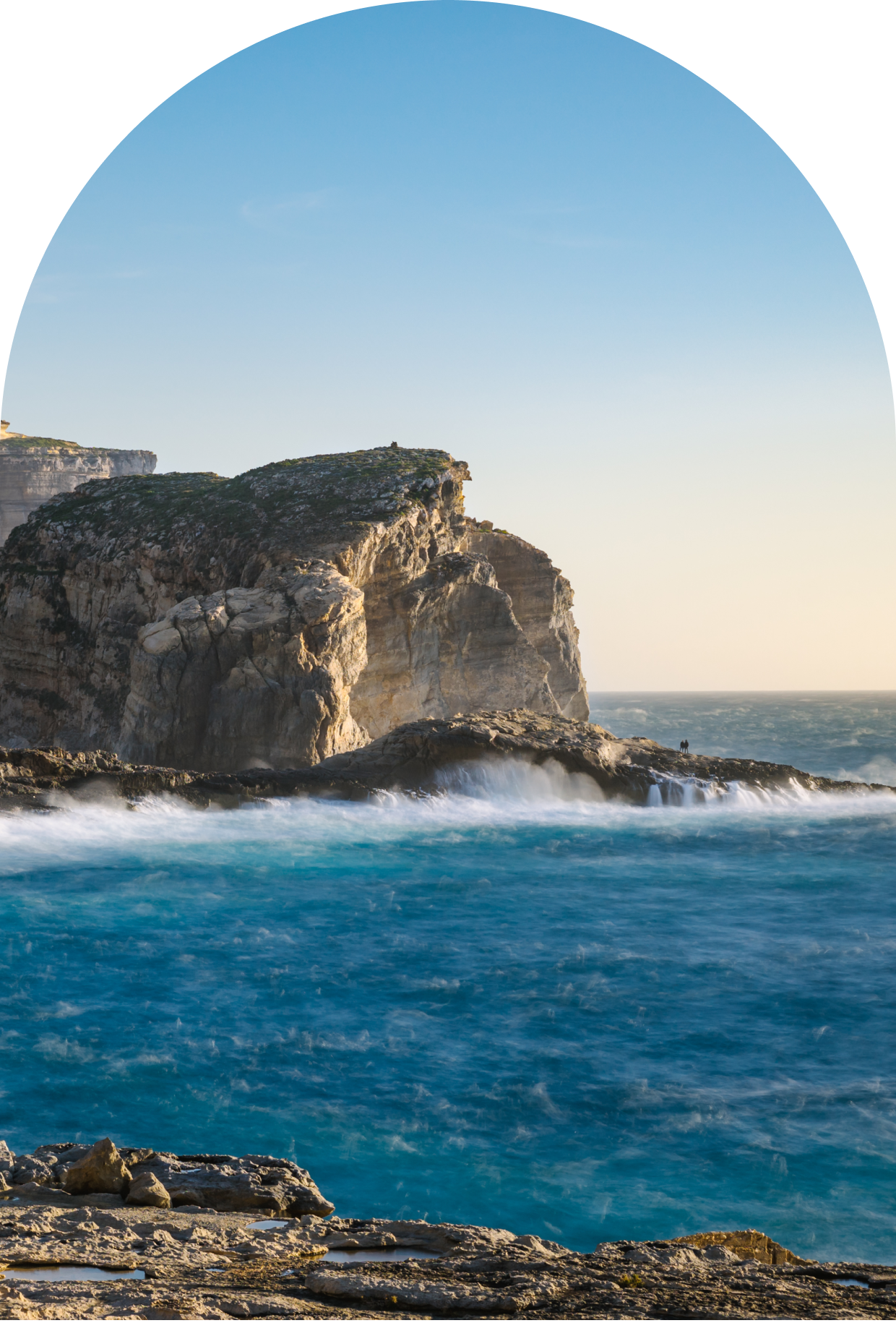
The limestone cliffs of Dwejra on Gozo’s west coast (Shutterstock)
Malta is easy to reach, with direct flights from major European cities to Malta International Airport and regular ferry connections from Sicily year-round. Delta Air Lines’ direct summer service from John F Kennedy International Airport connects Malta to New York, operating between 7 June and 23 October 2026.
Travelling between the islands is equally straightforward thanks to the public bus network, rideshare apps and passenger ferries linking Valletta, Sliema and Gozo.
Summer brings long days of sunshine and warm sea temperatures ideal for swimming, diving and boat trips, while spring and autumn offer a different appeal. Milder temperatures take the edge off the heat, and Valletta and Mdina are noticeably quieter to wander.
Click below to discover (or rediscover) this richly cultural Mediterranean destination’s blend of sunshine, seafood and stories from across the millennia.
Sorry but no search results were found, please try again.


