Interview
With his latest series of Wilderness launching, Simon Reeve chats tree kangaroos, snow leopards and why wilderness is worth fighting for
Simon Reeve returns to TV screens this month with a second series of Wilderness. Lyn Hughes caught up with him on the four destinations he covers
The four films are wildly different in landscape and tone. How did you choose them, and what’s the common thread?
It’s a bit of a chicken-and-egg situation, built around wanting some tonal variety so that the programmes don’t all feel the same. The daftest but rather brilliant idea the BBC pushed on us was to relate the films through colours: a blue, a green, a white and a yellow one. It’s hideously simplistic, but it forces you to find real variety out there, so I grudgingly admit it was a good idea. You also need planetary variety, and to be in the right place at the right time of year. I never had to do any spreadsheeting. People would just say, “That’s a terrible idea, Simon,” and put forward a better one.
‘Wilderness’ is a loaded word. How would you define it?
It is loaded — and political in some parts of the world. Our definition is: places where human impact is low — near non-existent, but low. There’s nowhere that we haven’t touched as a species: climate change is global, plastic turns up at the bottom of the ocean and on the tops of mountains. But there are still places where our industrial impact is low.
This is telly, not an international treaty. The idea is to spark love and interest in the planet, and to remind people that there’s a world worth learning about, loving, protecting and fighting for — possibly in that order.
We often picture wildernesses as empty, yet this series felt as much about people as places.
That’s deliberate. I’m increasingly frustrated by how many of us try to draw a line between ourselves and nature, as if we’re separate from it rather than another creature on Earth — albeit the most magnificent one.
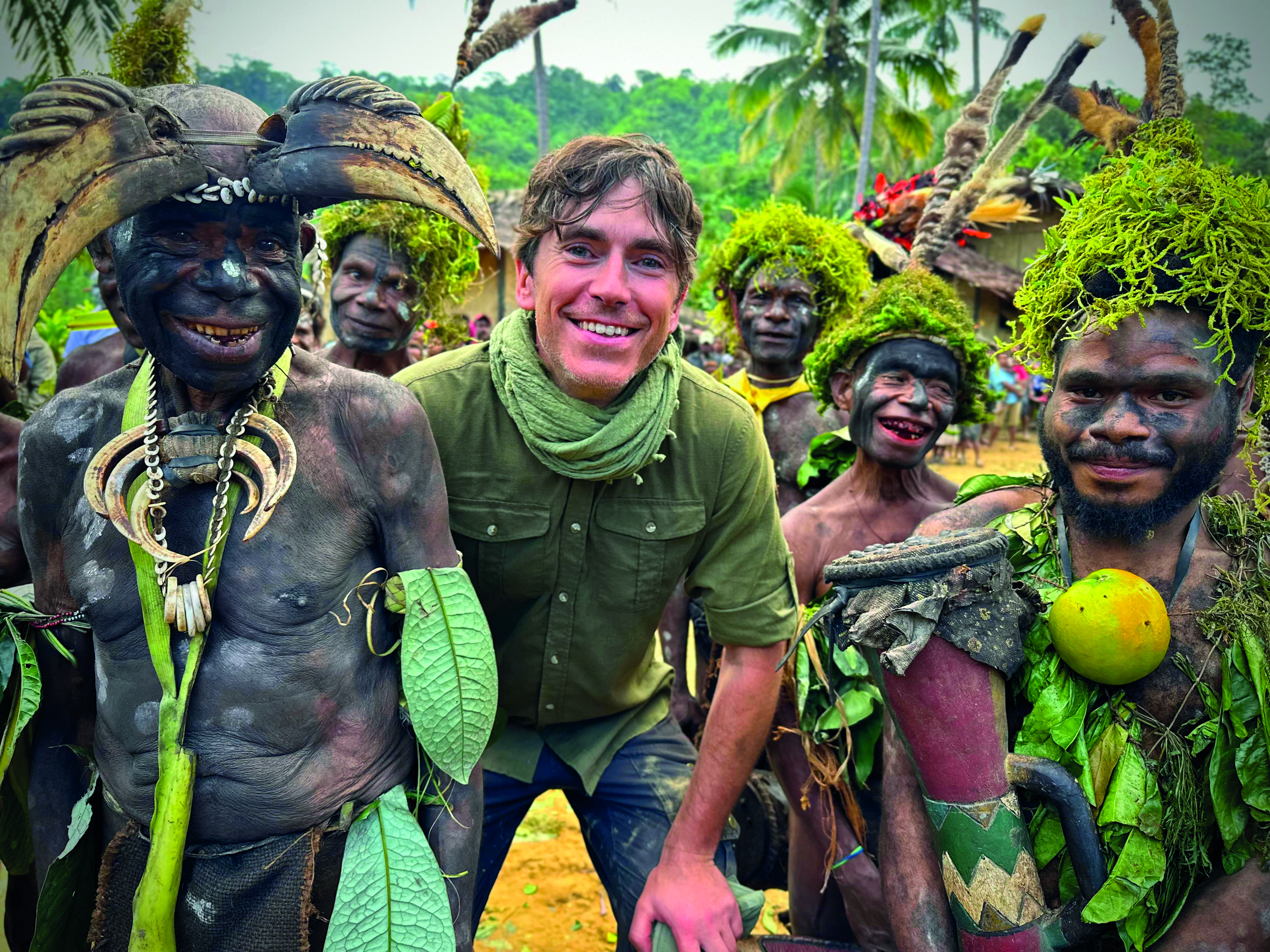
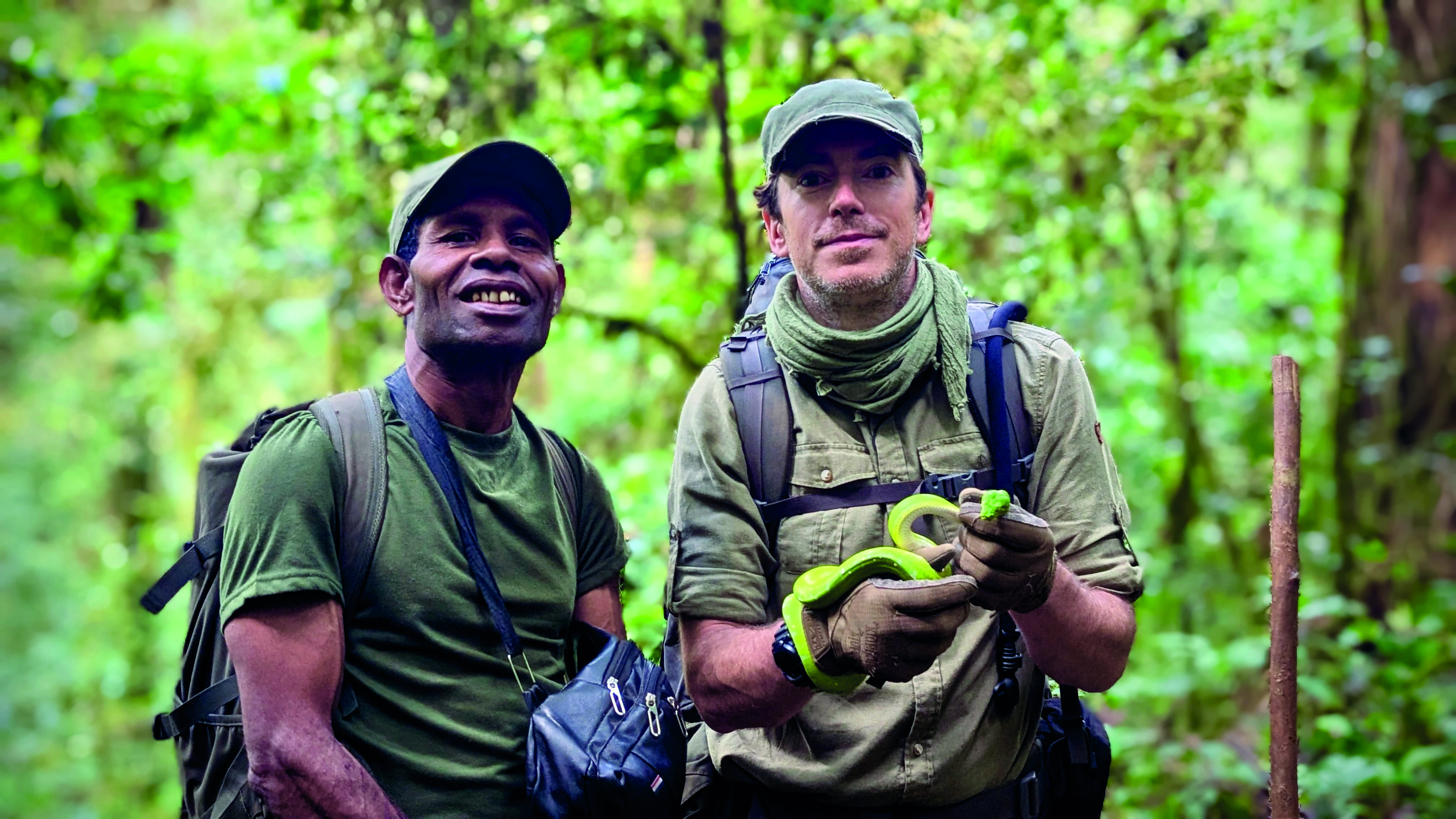
People live in the wildest places on the planet, and they’re fascinating and inspiring. Who could not be moved by the villagers of Mupun in Papua New Guinea (PNG) trying to protect the tenkile tree kangaroos? These are the planet’s cutest creatures; surely they’ve got to go viral. I hope it helps them.
Give us a quick lowdown of the four locations you visit.
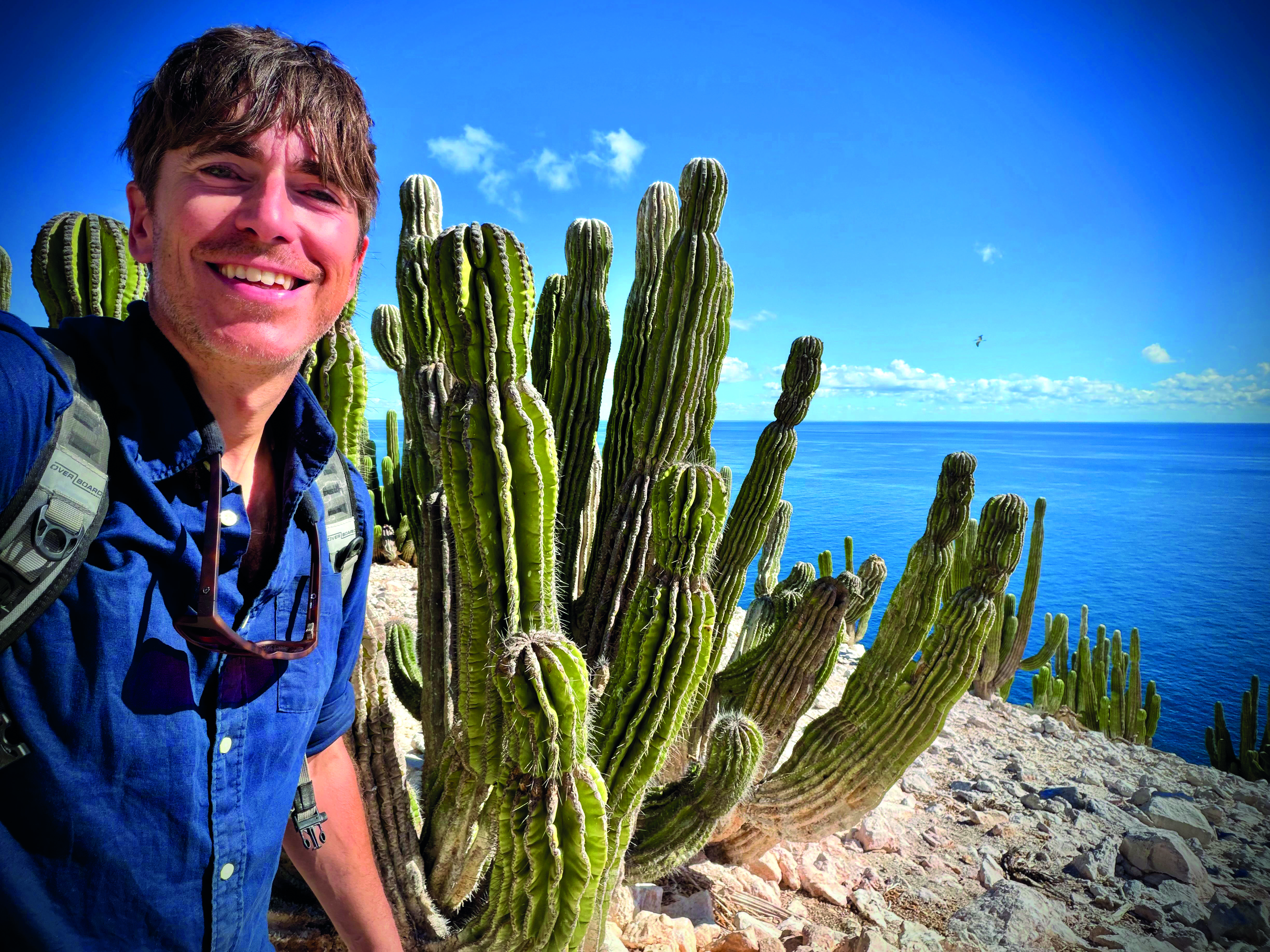
Papua New Guinea is a journey into the Torricelli Mountains, looking for a tree kangaroo that some scientists thought was extinct. People said we had no chance, but success was on our side, thanks to the locals who guided us. Then there was the Sea of Cortez, off Mexico, which Jacques Cousteau called the ‘aquarium of the world’. It’s taken a human hammering, but it was heartwarming to see how quickly life bounces back when we stop killing it. There are now bull sharks and threatened hammerheads shoaling deep beneath the ocean here.
The Yukon in Canada has taken a battering from fishing, hunting and mining, but the characters I met there were magnificent. Bear Man Phil confessed he’d skinned a lot of bears in a previous life and was now trying to save them. And finally, I went to Mongolia, travelling thousands of miles across the Gobi to the Margaz Mountains, looking for snow leopards and eagle hunters.
There’s real emotion in this series. Did that surprise you?
We’re all a bit more willing now to wear our hearts on our sleeves, and that’s how it should be. We projected ourselves deep into wild parts of the planet. There’s glory and emotion in those journeys, which have a real emotional impact on us and the people we meet. These aren’t begrudging places; they’re serious, real and unforgettable. That’s what humans need now: awe and wonder at nature.
Which places could benefit from ecotourism?
I’d rather Wanderlust readers headed [to these places] than almost anyone else, because they understand that they need looking after rather than concreting over. The Torricelli Mountains need an economy that isn’t logging or mining, and light-footprint tourism that celebrates the landscape and culture is perfect for this.
Canada is easiest, then Mongolia, the Sea of Cortez and Papua New Guinea. The reward is in inverse proportion to the luxury of the journey. And if somewhere resonates, follow through… A donation to the Tenkile Conservation Alliance will do profound good, both for that area and for biodiversity on this planet.
Which story affected you most?
The Margaz Mountains and the snow leopard. There were rumours of the legendary ghosts of the mountains, and then we went and filmed them.
The BBC had a wobble, worried we’d spend a fortune and see nothing. I’m pessimistic by nature; I’ve spent much of my life looking for elusive mammals off Mozambique — my benchmark for impossibility. You have to trust the team, because people will always tell you you’re guaranteed a sighting. But they were right.
If you could go back to one of these places in five years’ time, which would it be?
The Sea of Cortez, to see whether the new protections bring even more abundant marine life. Dropping down into the deep blue was an experience I’ll remember for the rest of my life. Scuba diving has always taken me to what feels like another planet. The chance to do it again, with even more marine life, would be a treat.
Wilderness with Simon Reeve airs this September on BBC Two and on BBC iPlayer.