

7 ways to experience the cultural layers of Barbados
From rum shop culture to distinctive architecture and Bajan storytelling traditions, get to know cultural Barbados

Slow down, free up, feel those shoulders relax and muscles unfurl. You’re here. Barbados has been waiting for you. One of the most picturesque places on earth, the island’s colour-saturated natural beauty is undeniable. Beside the beam of sunlight on white sand shores, the Caribbean Sea glows an almost luminescent blue. It’s a colour that there aren’t quite the words to describe.
But of course, Barbados is more than that. Much, much more. This is an island steeped in world-moving history, forged through determination and more than a little sense of deserved national pride. As Barbados counts down to its 60th anniversary of independence in 2026 – and the fifth anniversary of its proclamation as a republic – you’ll find an island alive with celebration and meaningful moments. Come be part of it, as Barbados sets off on the road to 60. We’ll show you how.
1. Discover its historic landmarks
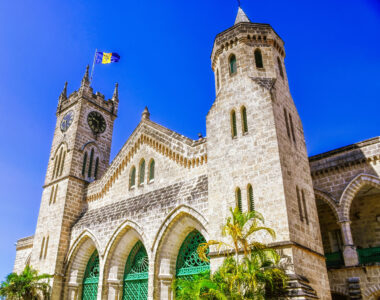
Barbados is home to one of the Caribbean’s richest collections of historic buildings. Start at the Parliament’s Gothic archways, towers and spires. The building may date from the Victorian era, but Barbados is one of the world’s oldest constitutions in the world, with a continuous parliament since 1639.
The Morgan Lewis Windmill is the largest and only complete sugar windmill surviving in the Caribbean and is one of eight major sites conserved by the Barbados National Trust. Visit its other sites including the Bridgetown Synagogue Historic District home to the oldest synagogue in the Western Hemisphere. The remarkable Nidhe Israel opened its doors around 1700. Major landmarks to Barbados’ past and future include the National Heroes Square, which celebrates the core of Bajan identity. Stop at the Golden Square Freedom Park, which opened in November 2021 on the eve of Barbados becoming a Republic.
2. Admire its distinctive architecture
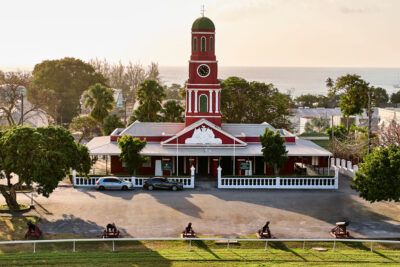
If walls could talk… From the joyful facades of the chattel houses found across the island, to the imposing gables of plantation mansions, Barbados’ layered history and evolving cultural identity is present in its unique architecture.
Start in Barbados’ capital and largest city, Bridgetown. A UNESCO World Heritage site built across the 17th, 18th and 19th centuries, it’s home to wealth of surviving historic tropical architecture built by African labour in a European style. The British-built Garrison is one of the most structurally complete and functional British colonial garrisons in the Atlantic World.The chattel houses that cling to Barbados’ curves, hills and terraces, were built post emancipation by plantation workers to be easily taken apart and rebuilt elsewhere. But they’re still here, a defining part of the island’s landscape.
3. Visit the Barbados Heritage District
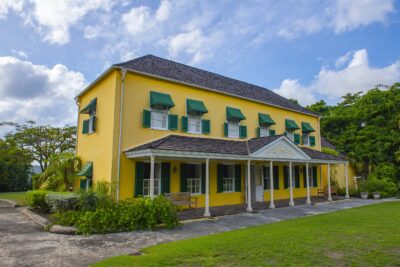
On the Newton Plantation, a stirring transformation is taking place. Across the 150-acre site of the largest and earliest known undisturbed slave burial ground in the New World, a national heritage district is being created.
Standing as a lasting testament to the resilience and spirit of Barbados, the district will both honour the past as well as place an unwavering focus on the enduring impact of slavery on the island. When it opens, it will include a memorial, a global research institute and a museum. British-Ghanaian architect Sir David Adjaye’s monument of 570 timber poles will honour the 570 enslaved West Africans buried here in unmarked graves.
4. Learn about the Bajan language and community culture
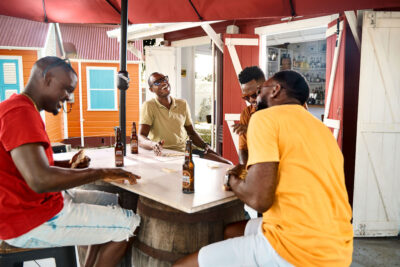
The best way to get to know the island is to go where the community itself goes to gather, chit chat and let loose. Immerse yourself authentically in island life; striking up a conversation won’t be hard, trust us.
Day to day, you’ll find the best place to get to know each individual parish or village is at the rum shop, the keeper of all community knowledge. On Friday night, the place to be is Oistins Fish Fry. When the scent of grills, gills, shellfish and chicken fills the air and that bassline cranks higher, you have yourselves a party. If you’ve not already tuned into Bajan’s own distinct dialect, spiced with words in West African-English pidgin, now’s your chance.
5. Engage with its musical traditions
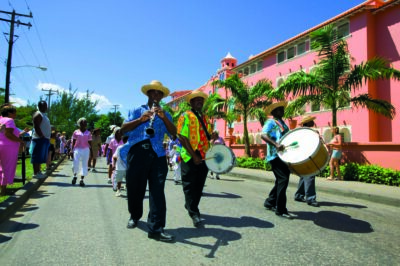
When the streets fill with people, and the smell of roasted breadfruit fills the air, listen out for that sweet calypso rhythm. These political plays and social satire in musical form were fused and shaped by the first rhythms brought over from Africa, and impacted by European, North American and other Caribbean cultures, to make something uniquely Bajan.
What do you get if you mix a little calypso with some ska? Something too funky for its own good. Created in the ’60s by Bajan singer Jackie Opel, that cowbell-heavy spouge rhythm was created right here. At national events, from Independence Day to the colourful celebrations of Crop Over festival, the traditional tuk bands assemble with double-headed bass drums, pennywhistles, triangles, flute and snare drums. They’re a symbol of Bajan revolution.
6. Explore the island’s literary and artistic scene
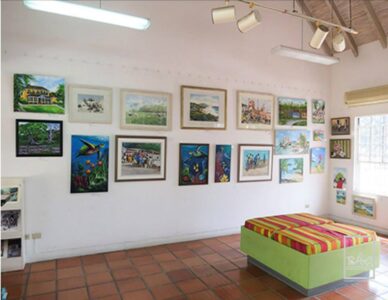
From global artists like Rihanna, to emerging talent from painters to writers, simply put, Bajans are a creative people. There are over 15 art galleries across the island, and crafts on sale across most markets too, marking plenty of ways to see the work of local artisans up-close.
For fine art, keep an eye out for exhibitions at The Barbados Arts Council, located next to Earthworks Pottery in Saint Thomas. Barbadian art tells the island’s story with its influences from pre-Columbian to West African and its common themes of resilience, identity and social commentary recalling the dark days of slavery.
Get traditional at the arts and crafts shops of Barbados, too. Look for bespoke tropical island art made with love and skill from cloth painting, fine arts, pottery and basket weaving.
With a surge in new literary talent too, you can discover works from tomorrow’s leading lights. There’s certainly a rich heritage to inspire contemporary writers such as Karen Lord, the acclaimed author of The Blue, Beautiful World (2023) and Redemption in Indigo (2010), and the poets Esther Phillips and Anthony Kellman. Major Barbadian writers have tackled the themes of African heritage, Caribbean identity and the legacy of colonialism, exemplified by George Lamming’s In the Castle of My Skin (1953), Austin Clarke’s The Polished Hoe (2002) and Edward “Kamau” Brathwaite’s poetry cycle The Arrivants: A New World Trilogy (1973).
7. Get to know the rum shop culture
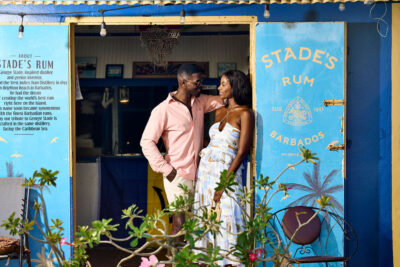
Drag that barstool up to the counter, and settle in. There’s no telling where the conversation will go, but it’ll be enthralling. As numerous as churches, and present in every community, rum shop culture is the backbone of Bajan life. This is where Bajans let loose, catch up, chew the fat, commiserate, celebrate… often commiserating and celebrating cricket specifically.
As Barbados is the birthplace of rum, it makes sense. With a history dating back some 300 years, rum culture is entrenched. The spirit’s story began in the 1600s, when molasses syrup – a byproduct of sugarcane refinement – was fermented and distilled by thirsty Bajan workers. The technique was refined and Mount Gay, the world’s oldest continually operating commercial rum distillery, launched in 1703.
Estimates suggest there’s still around 1,500 rum shops across the island, often housed in brightly painted wooden buildings, each as unique as the personalities that run and frequent them. Get to know the ins and out of local life, order a bottle and settle in.


