9 brilliant things to do in Banff National Park
Canada’s first national park offers lots for the budding, and established, adventurer
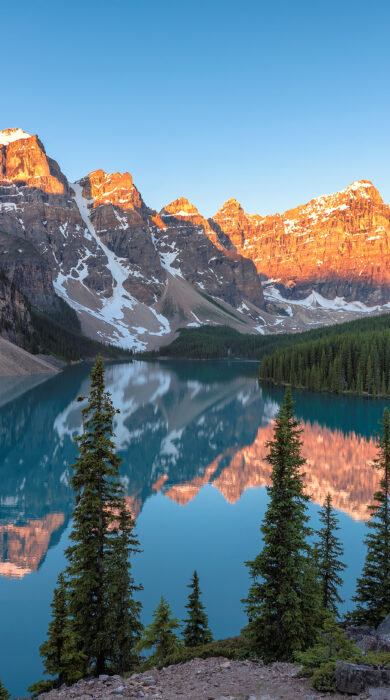
Canada’s very first national park spans 6,641 sq km of landscapes that feel frankly impossible. Neon blue lakes, the grey-purple peaks of the Canadian Rockies, swathes of dense forest, waterfalls and classic log cabins – it’s something out of a fantasy book. But Banff is every inch real, and lives up to the picture-postcard beauty it’s famed to be.
How you explore it is down to you. There are infinite hiking trails and activities in Banff for all, from hardened outdoors people to those who prefer a quick stroll that won’t leave you too out of breath.
In the winter, ski hills open, lakes freeze, and numerous winter festivals begin. SnowDays takes over the park’s two towns, Lake Louise and Banff, with ice and snow sculptures, skijoring (a daredevil combo of skiing and horse riding) and more. In spring and autumn, the park is quieter, yet wildlife begins to stir. And in summer, the trails, valleys, lakes and forests become a playground for those seeking soothing nature.
Choose your own adventure with our guide to the best things to do in Banff National Park.
Hike to the teahouses

Whether you’re a tea lover or more of a coffee person, every cup tastes infinitely sweeter the more you work for it (particularly when you pair it with an amazing view).
Leave the crowds stopping for a photo op at Lake Louise behind and follow the shoreline path for 3.5km as it rises 400m through the forest to a serene high-alpine lake in a hanging valley. Besides it you’ll find the historic Lake Agnes Tea House (open from June to October), a log cabin from 1905 serving over 100 loose leaf teas.
or a harder, near 6km hike, instead head up to near the glaciers at the back of Lake Louise. The stone cabin of Plain of Six Glaciers Teahouse sits on a meadow near the spine of a glacial moraine; you’ll have earned a wedge of its famous homemade chocolate cake.
Expert tip: If walking feels too much, the teahouses are accessible on horseback, too. Three-to-four hour hikes by local operators such as Brewster Adventures head high above the turquoise waters of the lake for a fresh cuppa.
Scale a mountain – with a little help
We’re not all seasoned mountain climbers, but that doesn’t mean you can’t scale a peak – let Mount Norquay be your Everest. Start at 7,000 ft and clip into one of five assisted climbing routes of its Via Ferrata – some moderately challenging, some less so. The longest takes six hours and sees you follow the anchored cable, pulling yourself over suspension bridges and up sheer faces to reach the eastern peak. Hand your camera to a guide for images of you seemingly hovering above Banff town.
Expert tip: Arrive hungry, and keep your eyes peeled. In summer, the ski slope below the scenic chairlift is a favourite for grazing bears. Speaking of food, if it was good enough for Marilyn Monroe… The actress stopped a Norquay’s teahouse while filming River of No Return in 1953. Today the Cliffhouse Bistro – located at 7,000ft – combines mid-century interiors with local charcuterie and knockout views.
Take a medicine walk through the forest
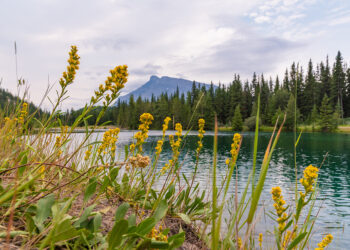
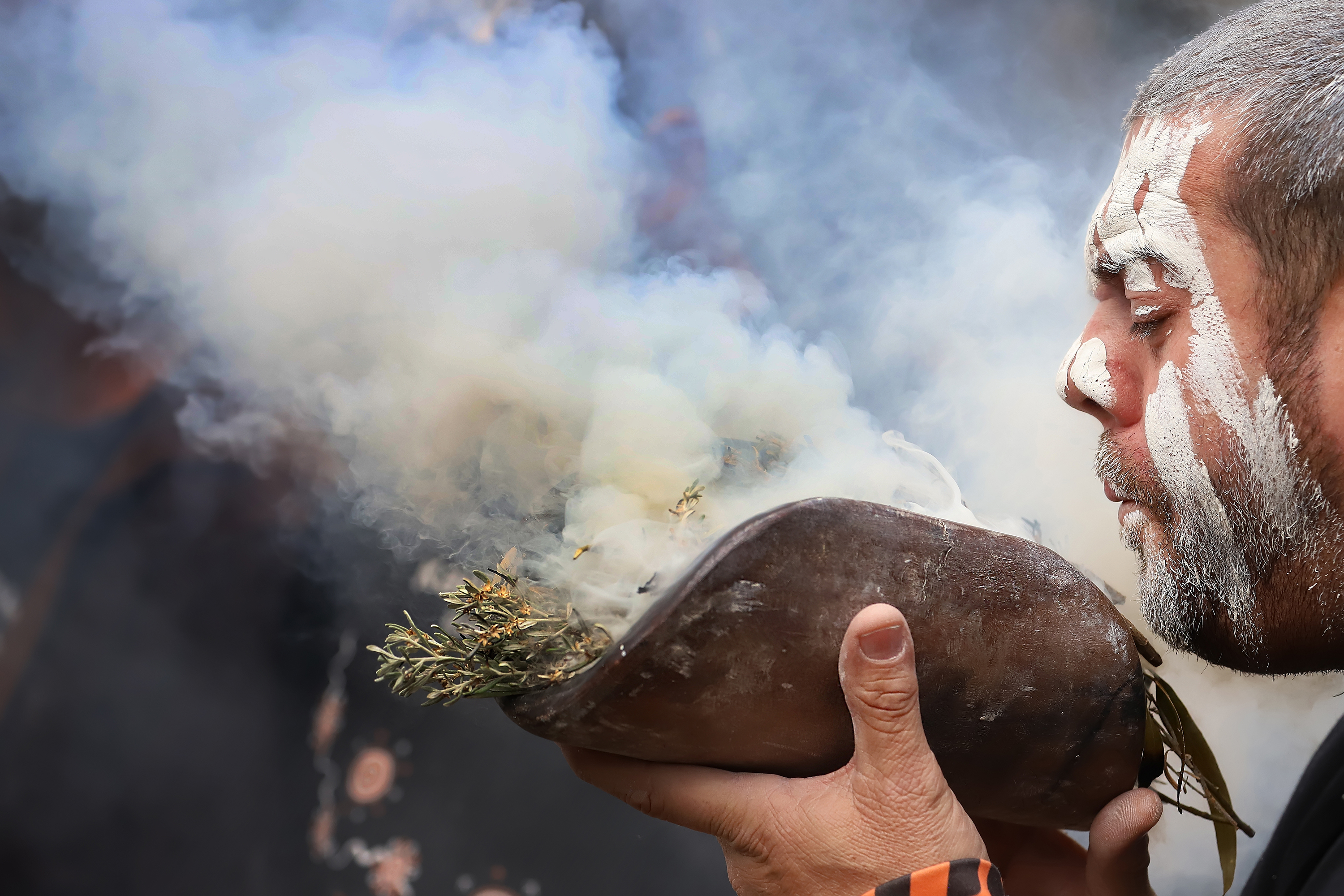
The Cascade Ponds sit just outside of Banff town, but a medicine walk through its forest, meadows, and ponds feels transportive. Indigenous-owned Mahikan Trails lead slow, contemplative walks after laying tobacco, where guides point out plants, trees or bushes used for survival for thousands of years. From fire starters to food, it’s all found in the forest.
Read next: The best time to go to Canada: A season-by-season guide
Horse ride through mountain meadows
You might associate cowboys with the American wild west, but Banff is still in cowboy country. In fact, Brokeback Mountain was shot just outside the park near Canmore.
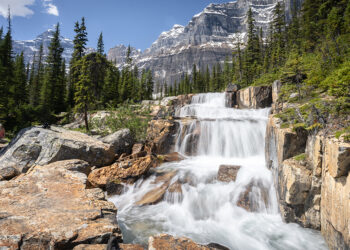
Horse riding offers some of the most peaceful, immersive ways to both see the park and serve the crowds it can attract. From riverside hour-long jaunts to multi-day backcountry rides through high country mountain passes and remote meadows, all levels are catered for. For a day-long ride, Brewster’s Paradise Valley expedition climbs above the treeline to Temple Mountain and Lake Annette passing Giant Steps Waterfall for an incomparable view of the etched ridges of the Wenkchemna Peaks. Besides the clomp of hooves, it just the scent of trees you brush past, and the trickle of mountain streams.
Read next: 9 of the best places to visit in Canada
Soak in the hot springs
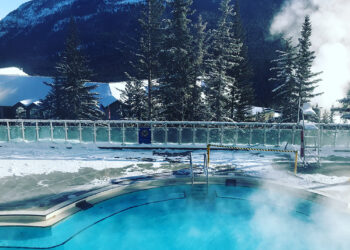
The healing, mineral rich waters found in what is now Banff National Park served as a centre for Indigenous spirituality for more than 10,000 years, before Canadian Pacific Railway workers stumbled upon the Cave and Basin Hot Springs by Canadian Pacific Railway in the 1880s. Their plans to commercialise the site led to the creation of Banff National Park, and the Cave and Basin are now protected as a national historic site. But further up Sulphur Mountain at the Upper Hot Springs, man-made tiled pools look over the valley in which you can soak year round.
Read next: Return of the bison: The untold stories of Indigenous Saskatchewan
Explore Banff Town
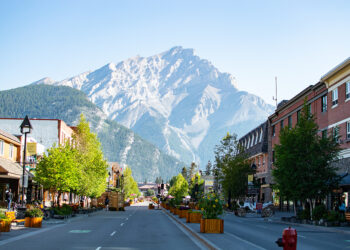
Spending a day in town might seem a strange suggestion for a national park, but in Banff, it’s a must. Take a dawn walk to the Bow River Falls and watch the sun illuminate the mountains before renting a mountain bike and cycle to Canmore or off-road the Tunnel Mountain Trails. Either way, go easy on yourself – you’re at an elevation Olympians come to train.
Exercise for the day firmly finished, head to the quirky Grizzly House, which serves fondue and steak with a healthy dollop of kitsch. Open since the 60s, it’s said each tables working phone is a relic from its days as a disco. After you’re indulging, head to the imposing Fairmont Banff Springs for a cocktail with a side of history, as the castle-like colossus is a thriving relic of Banff’s earliest waves of tourism. The Park Distillery makes gin, vodka and rye on-site with glacial water.
Raft the Bow River
Spoiler – there’s no white water in Banff National Park. For that, tours depart Banff town heading outside the park (most commonly to the Kicking Horse River, Horseshoe Canyon, or Kananaskis River).
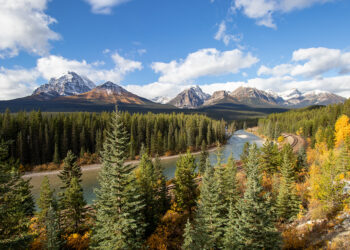
But if you’re not looking to travel far (or just want a far smoother journey), you can take an enjoyably serene raft ride on the Bow River with Rocky Mountain Raft Tours. Gently float round bends and over occasional rapids from June to September as you quickly leave the man-made behind for forested banks, hoodoo formations, and bald rocky peaks. There’s also an option to rent a stand-up paddleboard instead.
Expert tip: The park is known for its neon lakes. Remote, yet right next to town, Lake Minnewanka is an unsung gem. Sail into silence on a backcountry cruise. Hire a kayak from the dock to go solo.
Look for wildlife
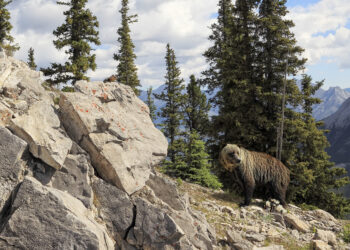
Banff’s wildlife often doesn’t wait for an invite, and it’s common to see elk, bighorn sheep and other animals close to the townsite. Of course, you’ll find much more within the wider park beyond, so keep your eyes peeled as you hike, drive or kayak the park. Grizzly and black bears roam the forests and mountains, as do wolves, cougars, and moose; they’re most active in spring and autumn. Listen for the squeak of pika if you kayak Lake Louise – they’ll sound the alarm if you get too close.
Hike a glacier
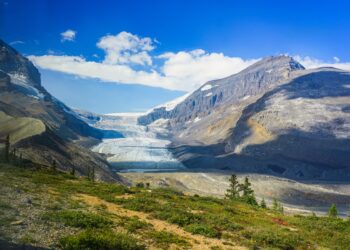
The most accessible glacier from Banff is the Athabasca Glacier which sits just into Jasper National Park. Predicted to disappear in the next 30 years, for now tours on the ice allow you to briefly walk its retreating tongue.
For the hardcover adventurers, the Wapta Icefield awaits. Yamnuska Mountain Adventures leads hut-to-hut ski tours across the massive icefield for four- and seven-day demanding traverses of mountain shoulders, canyons, natural amphitheatres, snow ridges and crevassed slopes as high as 10,000 ft.