

7 ways to experience the best of Serbia
Explore where East meets West and soak up the culture, gastronomy, nature of this Balkan beauty

Standing at a crossroads of civilisations for the past two millennia, Serbia boasts a long and incredibly rich history – and its cultural heritage is simply dazzling. Serbia’s wealth of cultural treasures encompasses everything from spectacular fortresses to UNESCO-listed monasteries, exquisite medieval frescoes, and exceptional archaeological sites. But it’s not only about history – Serbia is also a country of breathtaking landscapes, with masses of scope for outdoor adventure among its mountains and forests, rolling hills and jaw-droppingly impressive gorges. As a little-known country at the heart of the Balkans, Serbia carries the excitement of stepping into the unknown – but it’s a place you’re unlikely to forget, and along with its delicious cuisine, it comes with a big, warm-hearted welcome.
Experience the modern spirit of its cities
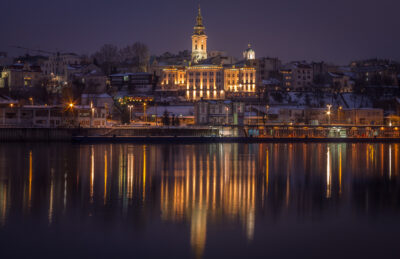
Serbia’s big, vibrant capital, Belgrade is a city steeped in multilayered history, but buzzing with modern energy. Immerse yourself in the Bohemian vibe of Skadarlija, with its narrow, cobbled streets and bars. Stroll in the Savamala district and linger in its galleries and coffee houses. Spend time taking in the view from Kalemegdan, above the confluence of the Sava and the Danube – frankly one of the most breathtaking urban vistas of any city in Europe. But Belgrade is far from the only city in Serbia worth visiting. Novi Sad, capital of the Vojvodina province and Serbia’s second city, has a relaxed, laid-back feel – don’t miss the traditional salaš restaurants in the surrounding area, perfect for trying local cuisine. Visit history-rich Niš in the south, and Subotica in the far north – a genuine melting pot of cultures, with wonderful Art Nouveau architecture.
Find peace among its natural beauty
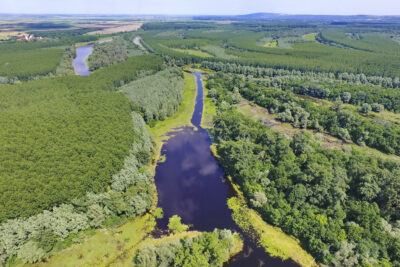
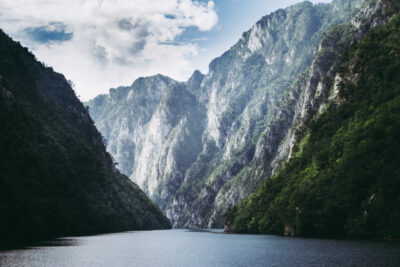
Serbia is awash with beautiful landscapes – from pristine forests to rugged mountains and sprawling wetlands, while that greatest of European rivers, the Danube sweeps across the centre of the country. It’s home to five national parks, including Đerdap on the Danube – the first place in Serbia to be designated a UNESCO Global Geopark – and the gorgeous Tara, centred on a bend in the River Drina. Serbia also has 23 designated nature parks, among them the rugged Stara planina massif, Mt Golija, and the dramatic Sićevo Gorge – and over 20 nature reserves. The largest of these nature reserves by far is Deliblatska peščara (Deliblato Sands), a vast sandy area formed millions of years ago by the disappearance of the Pannonian Sea. Mt Golija and Bačko Podunavlje nature reserves are both UNESCO Biosphere Reserves.
Sample the flavours of its hearty cuisine
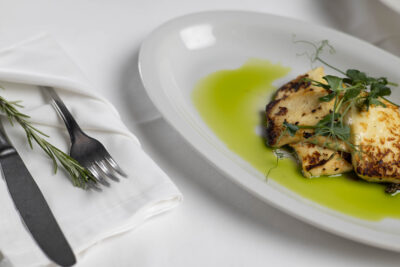
Serbian gastronomy is a fabulously rich tapestry of tastes and flavours, with delicious traditional and regional dishes. From street food to fine dining, culinary highlights include sarma (pickled cabbage leaves stuffed with minced meat and rice), ćevapi (succulent grilled meatballs), gibanica (cheese-filled filo pie), prebranac (creamy baked white beans with lashings of fried onions, garlic and red pepper), proja (corn bread), spit-roasted lamb or pork, spicy kulen and other cured meats, delicious cheeses, ajvar (a heavenly roasted red pepper spread), an abundance of locally grown fruit and vegetables, and local homemade wines… The list goes on and on. Inevitably any visit to Serbia will – and indeed should – include rakija. This is the local fruit brandy, made from plums (šljivovica), quince (dunjevača), apples (jabukovača) or other fruit – phenomenally potent, but impeccably smooth, and essential when welcoming guests. The all-important word to learn here is živeli – ‘cheers!’
Cycle among the scenic terrain
Eurovelo 6 is one of Europe’s great long-distance cycle routes, meandering its way across the continent from the Atlantic to the Black Sea and covering a distance of 4,700km. The section passing through Serbia forms one of the most spectacular and rewarding ways to see the country on two wheels, an epic adventure which takes in many of the country’s top highlights and clocks up a very respectable 600km. The EV6 in Serbia follows the Danube, passing through cities including Sombor, Belgrade and Novi Sad, along with castles such as the Bač fortress, wine producing areas, and national parks like Fruška Gora and Đerdap with its spectacular gorge, and wetlands including the Gornje Podunavlje Nature Reserve.
Delve into the rich cultural heritage
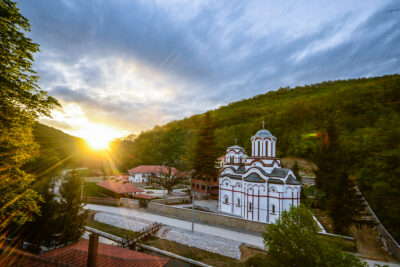
History has witnessed a relentless sweep of empires across southeast Europe, and fortresses form a significant part of Serbia’s architectural heritage – Bač, Belgrade and the massive Smederevo fortress, to name just a few. Nothing, however, compares to Golubac, bristling with towers and sprawling across a steep, rocky hillside beside the Danube. Serbia’s Orthodox monasteries are among its greatest cultural treasures – there are over 200 of them, with 54 classified as cultural monuments. Lying in the so-called ‘Valley of the Kings’ near Novi Pazar, the UNESCO-listed medieval monasteries of Đurđevi Stupovi, Sopoćani and Studenica are stellar examples of Romanesque architecture, and their extraordinary 13th-century frescoes are priceless works of Byzantine art. Žiča monastery carries enormous historical significance, as the place where Stefan Nemanjić was crowned the first Serbian king in 1166. Serbia’s churches and other religious architecture span multiple centuries and faiths, from the large Art Nouveau synagogue in Novi Sad, to the vast Orthodox Temple of St Sava in Belgrade, consecrated in 2004.
Admire its small towns and rural homes
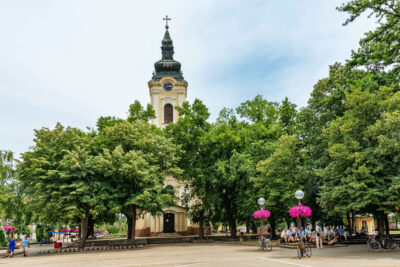
No visit to Serbia is complete without some time spent in rural areas, where you’ll discover authentic villages – and where good food is never far away. In the Negotinska Krajina region in eastern Serbia – one of the country’s 22 wine regions – Rajac is a village with around 250 traditional wine cellars dating from the 18th to the early 20th century. Obviously, it’s the perfect place to acquaint yourself with some Serbian wines! Sopotnica is a village in the southwest, surrounded by spectacular waterfalls – and Donji Taor is known for its travertine springs and waterfalls (best seen in spring). Located on Zlatibor, the Old Village Open Air Museum displays 50 traditional wooden houses and cottages from the 19th and early 20th centuries – it’s also a good place to buy traditional pottery, textiles and other souvenirs.
Hike among its majestic mountains
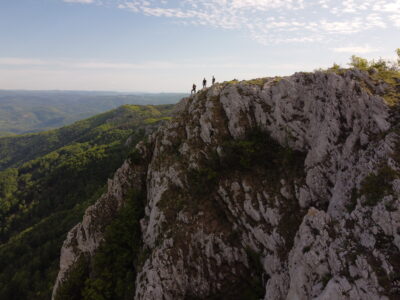
In Serbia, you don’t have to venture far beyond its cities to find green spaces. Fruška Gora, near Novi Sad, is a beautiful hiking area, criss-crossed by well-marked trails and peppered with monasteries – and Avala, near Belgrade, is also great for hiking. For big mountains and epic vistas, not to mention a plethora of superb hiking trails, look to the south. Stara planina is Serbia’s greatest mountain range, spectacularly rugged and including the country’s highest summit, Midžor. Kopaonik is even larger in area though a smidgin lower, encompassing a sprawling mountain plateau and a top ski centre, and noted for its spectacular biodiversity. Other hiking gems include Lazarev Canyon, Mt Tara and Golija, while there are also numerous caves to explore on guided tours, among them Bogovina and Potpećka.


