Protecting the Ecuadorian Amazon and its Indigenous communities with Nina Gualinga
Nina Gualinga is deeply devoted to protecting the lands, cultures, languages and way of life in the Ecuadorian Amazon. Here, she shares more about her work, her inspiration and how travellers to Ecuador can contribute to protecting this remarkable region
What was it like growing up in the Amazon? What skills and knowledge did you learn there?
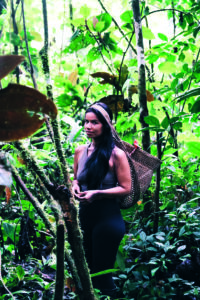
I learnt from a very early age that everything around us is alive. That shapes the way that I see things and understand the world. The plants, mountains and rivers around us are alive. There’s a system of life that we’re part of, and through the teachings of my grand- parents and my mother, I developed a very deep love for what was surrounding me. That’s the foundation of my life. Since I was a child, my community has battled against extractive industries such as oil companies – and successfully so. We managed to kick out an oil company in 2003 and win an international court case that established that our human rights had been violated. In that way, at least legally, our territory has been protected since then. That has shaped my life and my outlook. I then realised that this wasn’t only happening in my community; it was happening across the Amazon.
Why are Indigenous communities vital to maintaining the health of the Ecuadorian Amazon?
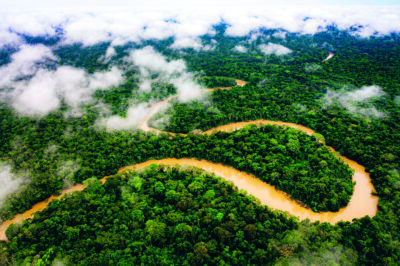
The power of coming from an Indigenous community is that these people have been living and coexisting with these lands and all the living beings there for so many generations. They know these lands, rivers, mountains and animals intimately. They understand the cycles of the land and the impact of human presence – the roads and extractive industries. There’s so much knowledge and power in that, because people who live so closely with the land can identify when changes occur. This is because they directly impact us. It’s crucial to listen to the people who coexist with the land. Globally, the Amazon has always been a place that people are quick to admire, but it’s important to remember that it’s not just a vast, wild forest; it’s also home to people.
What do you feel are the biggest threats to the Ecuadorian Amazon in the modern world?
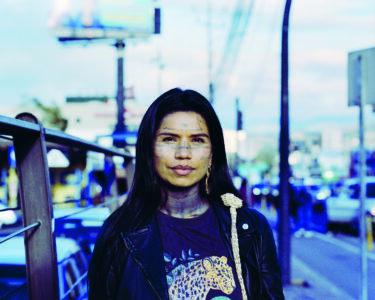
Today, we are up against the mining industry. Both legal and illegal mining are devastating our rivers across the Ecuadorian Amazon. There is also illegal logging, agrobusiness and road building. It’s contradictory, because Ecuador is such a rich country in terms of biodiversity, yet there is a very extractive agenda that could destroy the habitats of all these different species, and also the cultures and people that live in these territories.
How are you working to protect the Amazon, its ecosystems and the communities living there?
The work is collective. It’s not individuals who protect the Amazon; this comes from the communities and the families who live in these territories. They do this through planting seeds, eating fruits, practising our culture and our language. The Amazon is home to many cultures, communities and children with dreams. It’s through this co-existence that these ecosystems are protected. A lot of the work I do is to ensure that the rights of our peoples are being respected, especially the right to land, because not only do we depend on our land, but these lands also depend on us living here and protecting them too. We are working to raise awareness on a national and international level to create conversations around the importance of Indigenous people and their role in protecting these places.
What makes the Amazon so special for you, and what inspires you most?
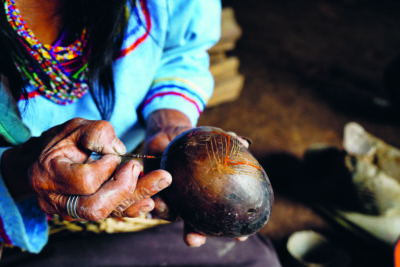
It’s my home. It’s where I grew up. It’s where my worldview was shaped, and it’s the place that I feel the safest and happiest. It’s a vibrant place full of life and wisdom. I think it deserves to continue living. It inspires me to imagine a future where all that life is able to continue thriving.
What are the most valuable things that visitors to Ecuador can do to contribute to protecting the Amazon and its lands?
Ecuador has such a huge gift in the shape of its biodiversity. People travelling to the country should research the areas that they want to visit and whether they’re going to places that are on Indigenous land. Go to community-led projects and make sure that resources are being channelled directly to the people from that area. Another very important thing is to consume responsibly. Visitors should not buy any souvenirs made from feathers, jaguar skin, jaguar teeth, dolphin teeth or other endangered species, as this only contributes to the continued illegal poaching of these animals and the decline of biodiversity in our forests. It’s also important not to romanticise the experience and to acknowledge our communities’ challenges and difficult histories. People should support efforts to strengthen Indigenous rights and livelihoods where possible, so the interaction is reciprocal and not extractive.