Travel with us from dawn to dusk across Sarawak, the largest state in Malaysia and the gateway to Borneo — a destination defined by vast tropical landscapes, living cultures, diverse culinary traditions and experiences that stretch far beyond a single journey
By Daniel Stables
It’s hard to overstate the richness and grandeur of Sarawak. From the beachside jungles and limestone pinnacles of the national parks, home to rare primates and kaleidoscopic hornbills, to the food courts of Kuching and Sibu, where the Indigenous communities’ culinary traditions blend with Malay and Chinese influences to delicious effect, Sarawak’s unique character is shaped by its diversity.
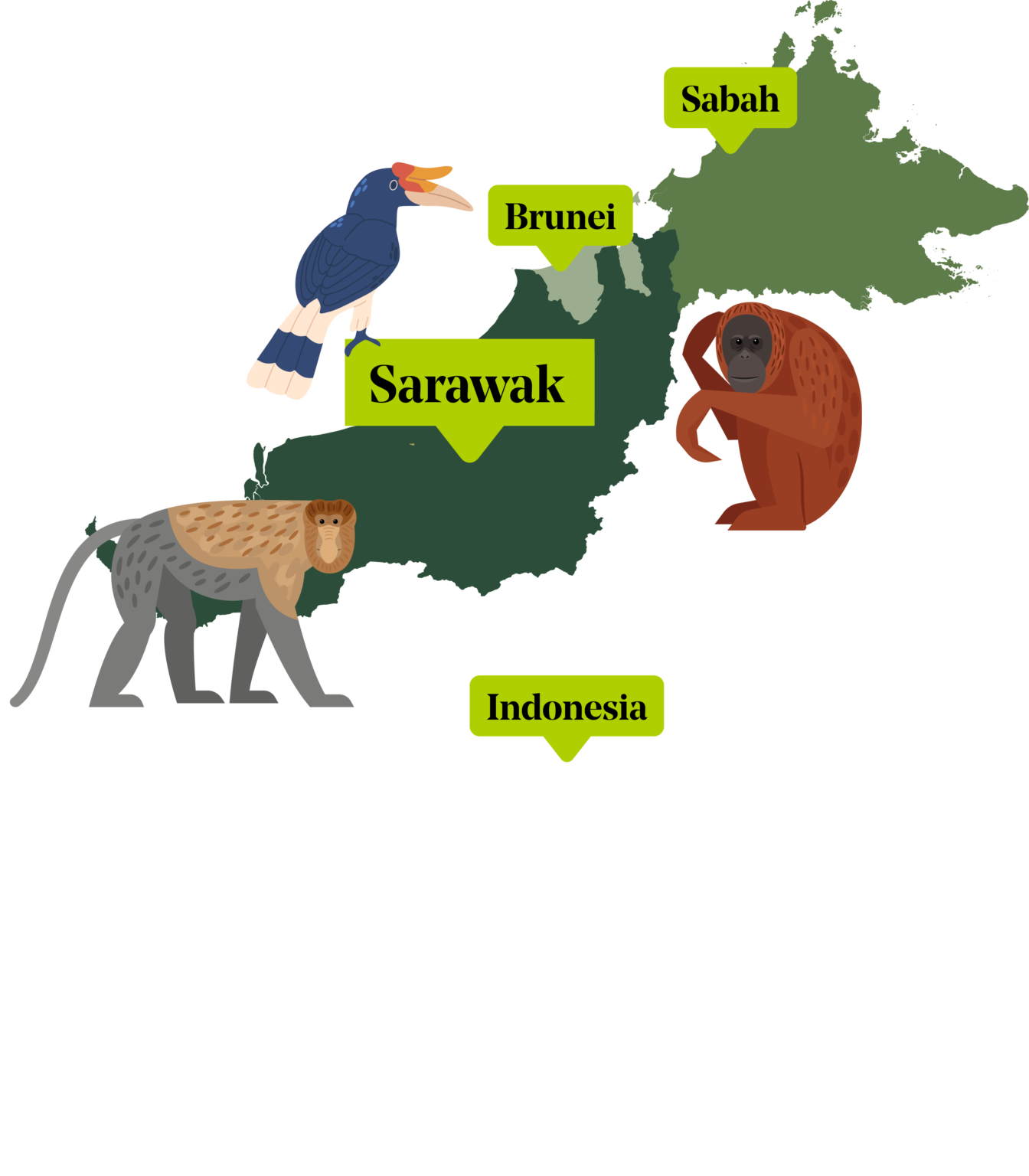
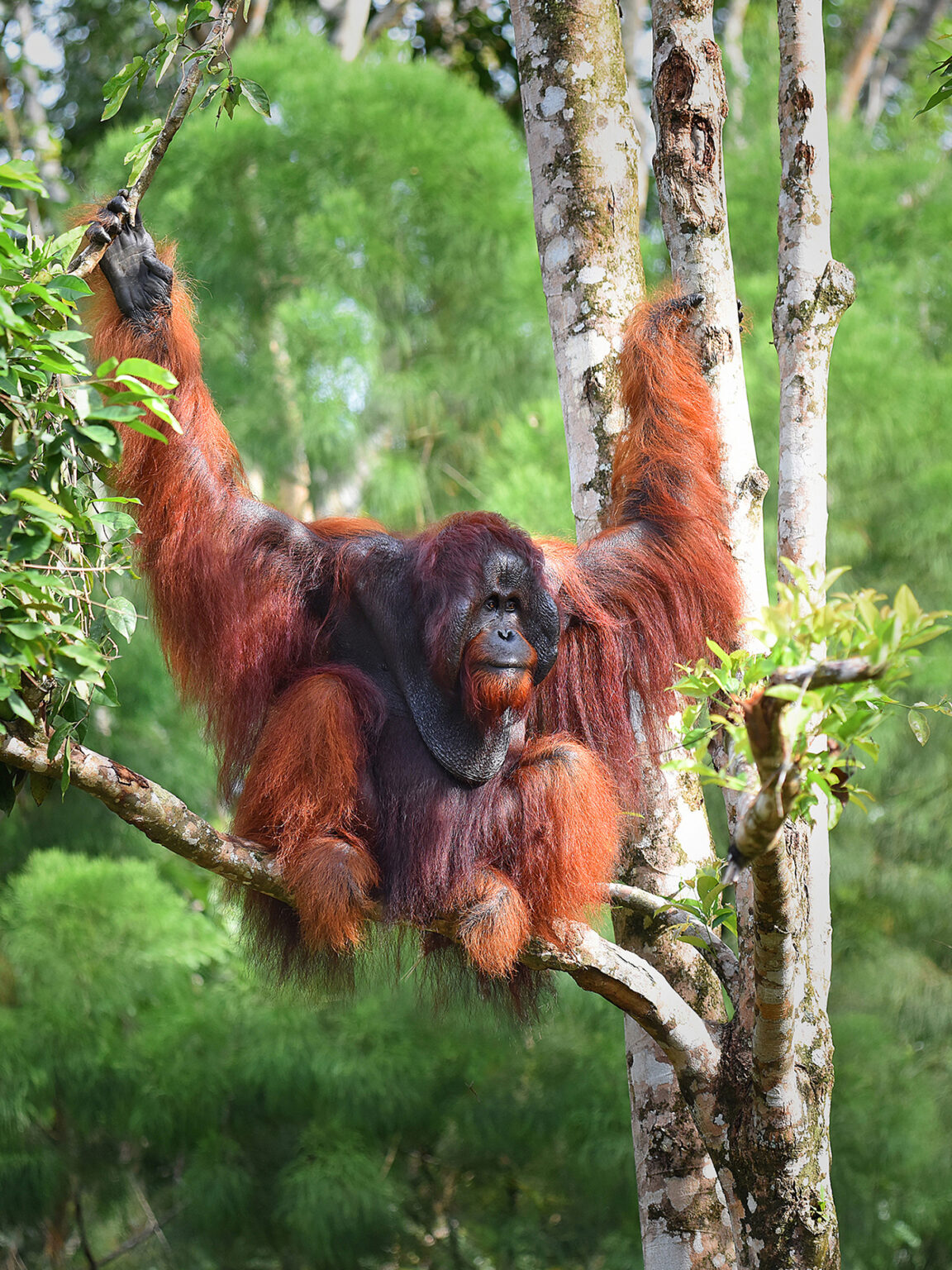
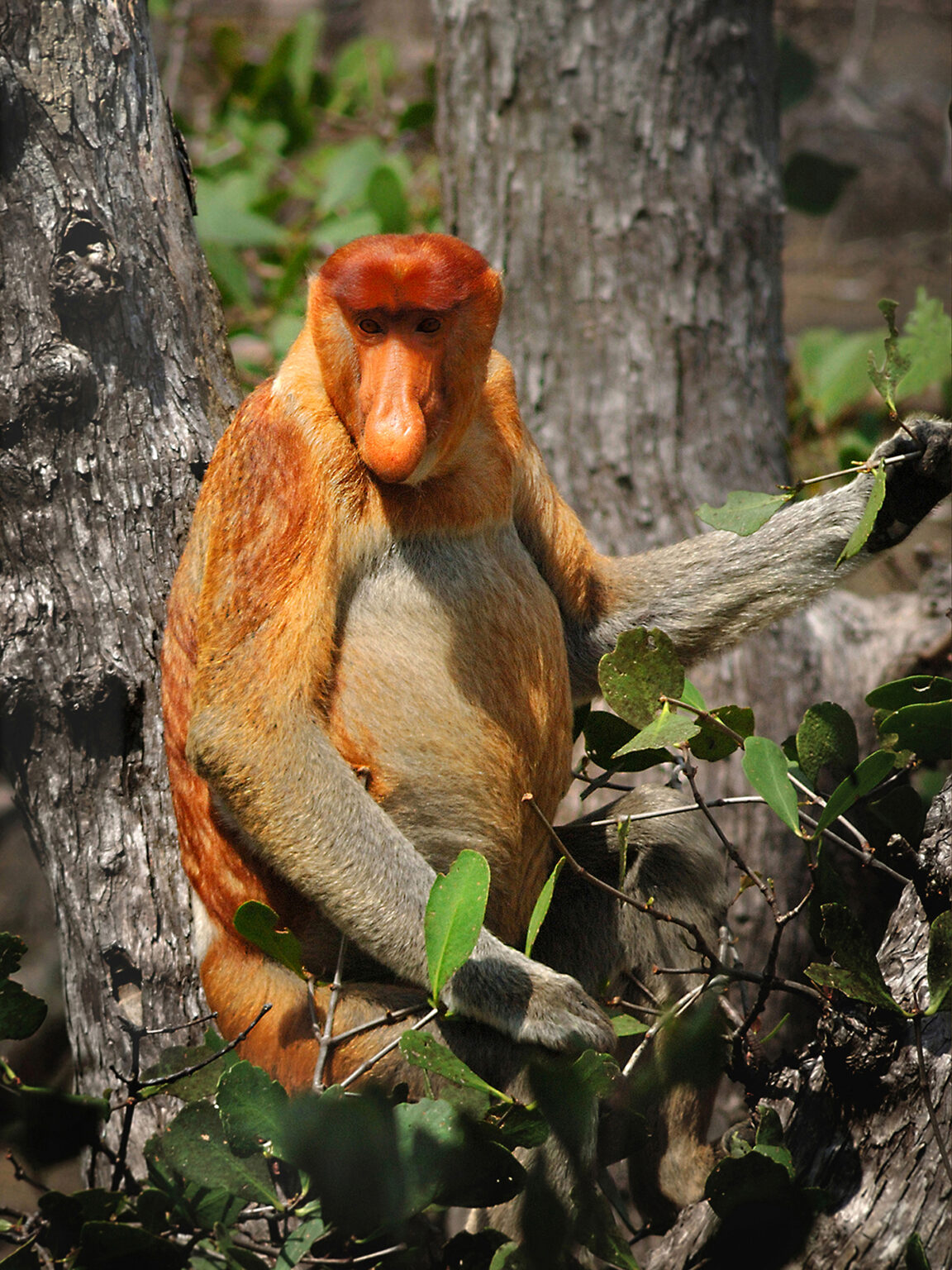
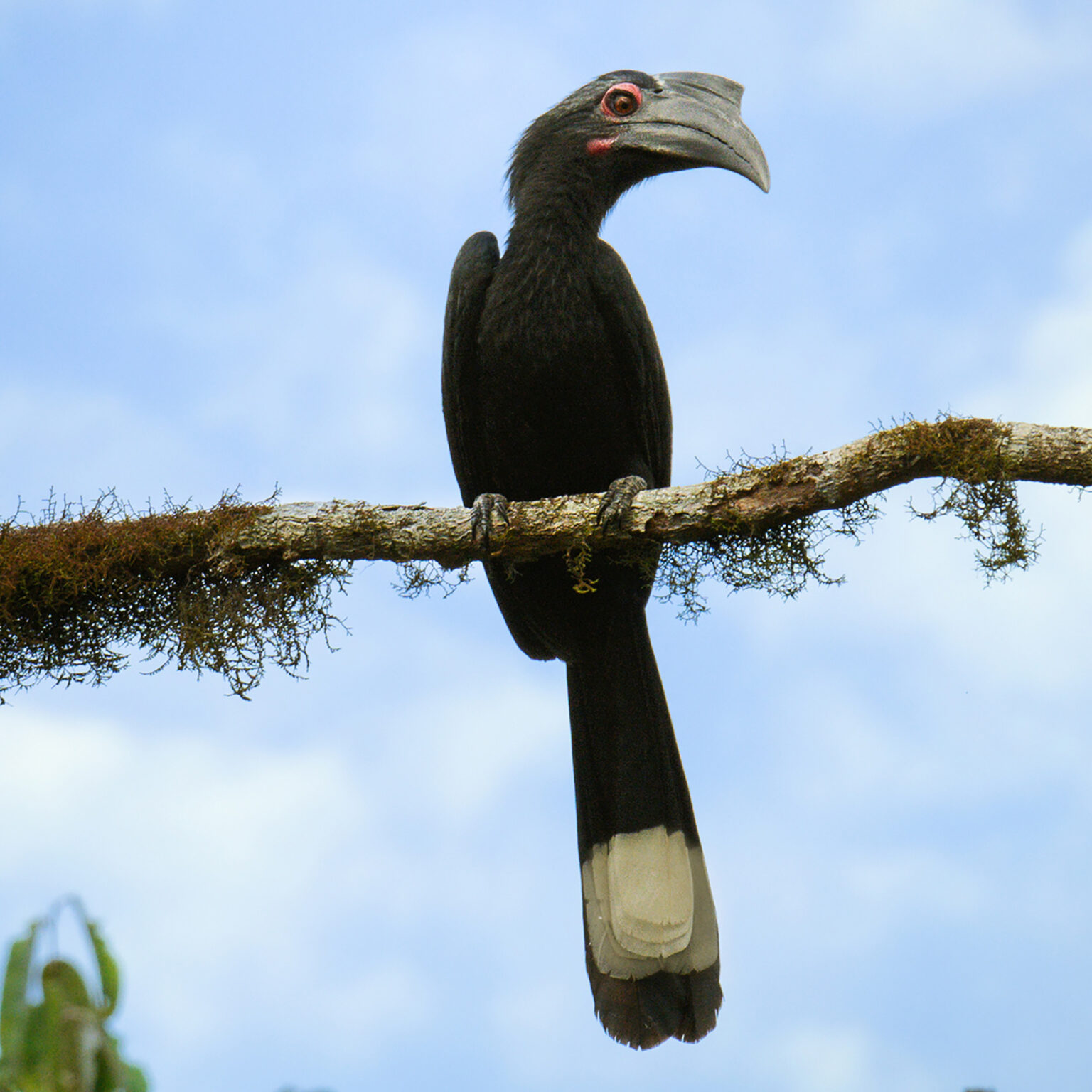
The state occupies the northwestern corner of Borneo, an island whose very name calls visitors to adventure. Borneo is famously home to the orangutan, and these gentle primates can be observed in protected habitats across Sarawak, from the semi-wild sanctuary setting of Semenggoh Nature Reserve to the rainforest wilderness of Batang Ai National Park. Just as endearing is the bizarre-looking proboscis monkey, named for its floppy nose, which lives in the mangrove swamps of Bako National Park. Birdwatchers will also find all manner of critters to divert them, from bright-beaked hornbills to banded pittas and Bornean bristleheads.
Borneo
Watch the video to meet the proboscis monkey
Endemic to the jungles of Borneo, proboscis monkeys are busy foraging in the mangroves and along the riverbanks first thing in the morning. You may even see them belly-flop into the water to display their swimming prowess. And showing off has a lot to do with the males’ pendulous snouts, which they use to attract the shorter-nosed females.
An orangutan at Semenggoh Wildlife Centre | Sarawak Tourism
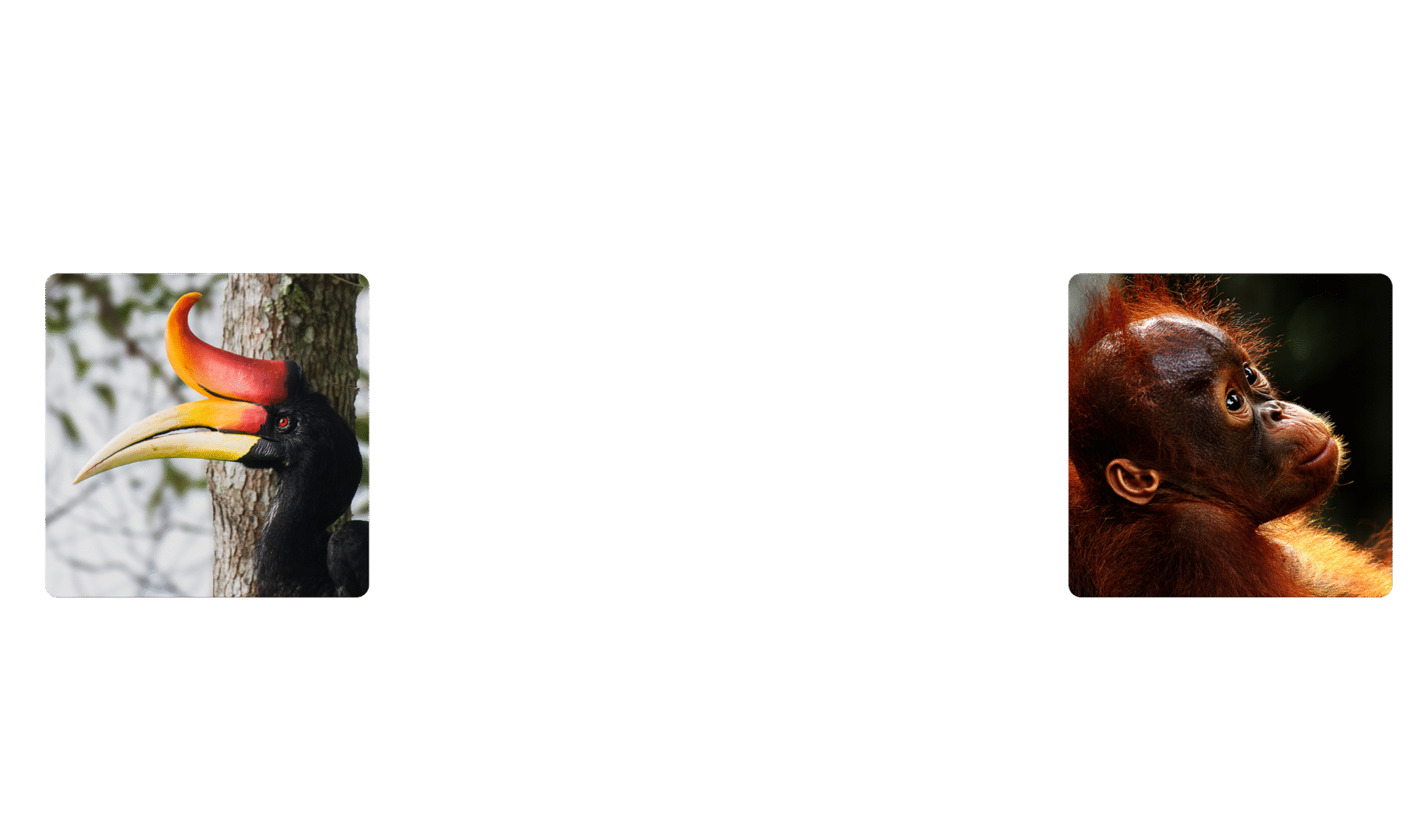
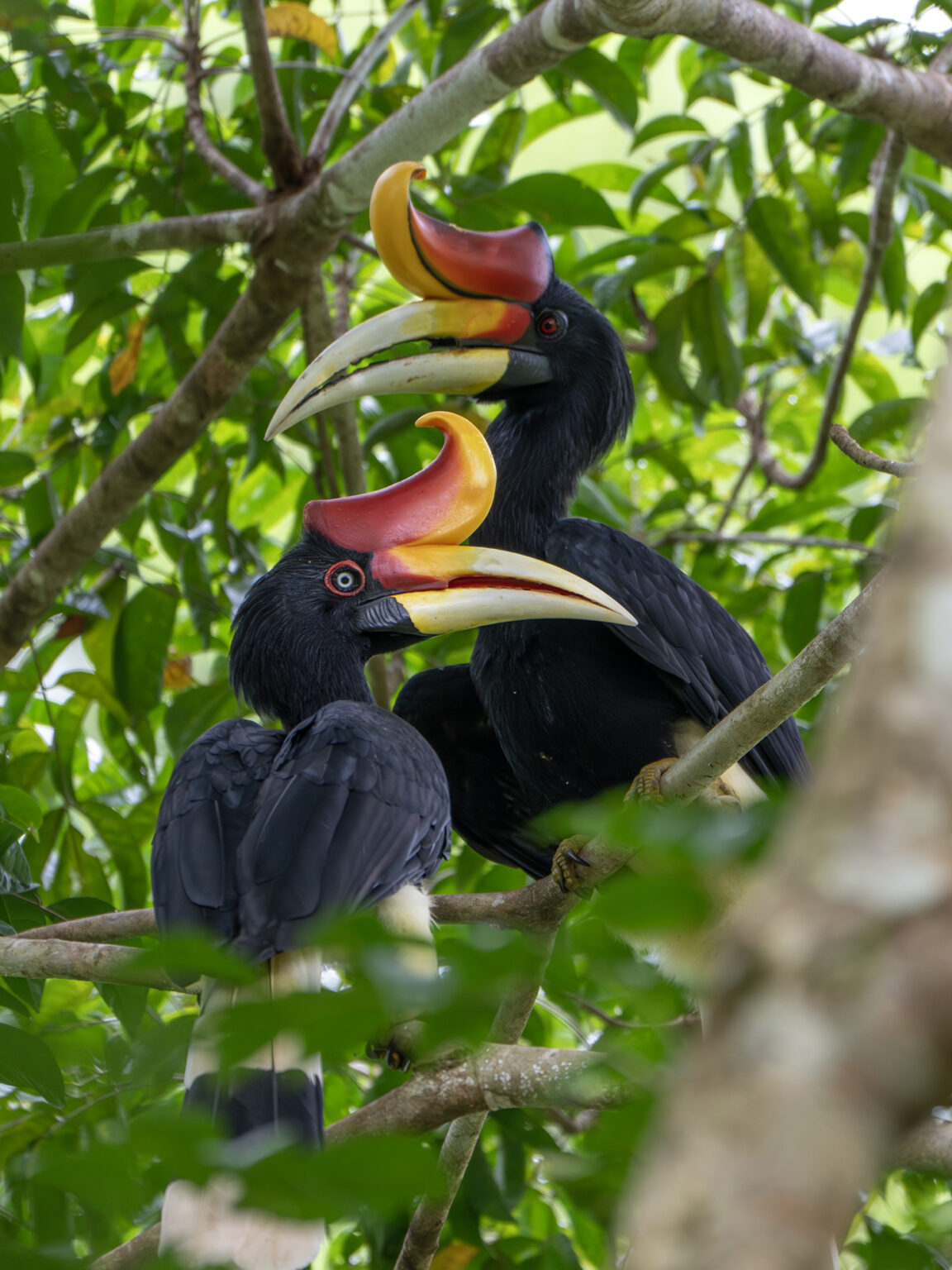
Rhinoceros hornbills with their jutting casques | Sarawak Tourism
Proboscis monkey at Bako National Park | Sarawak Tourism
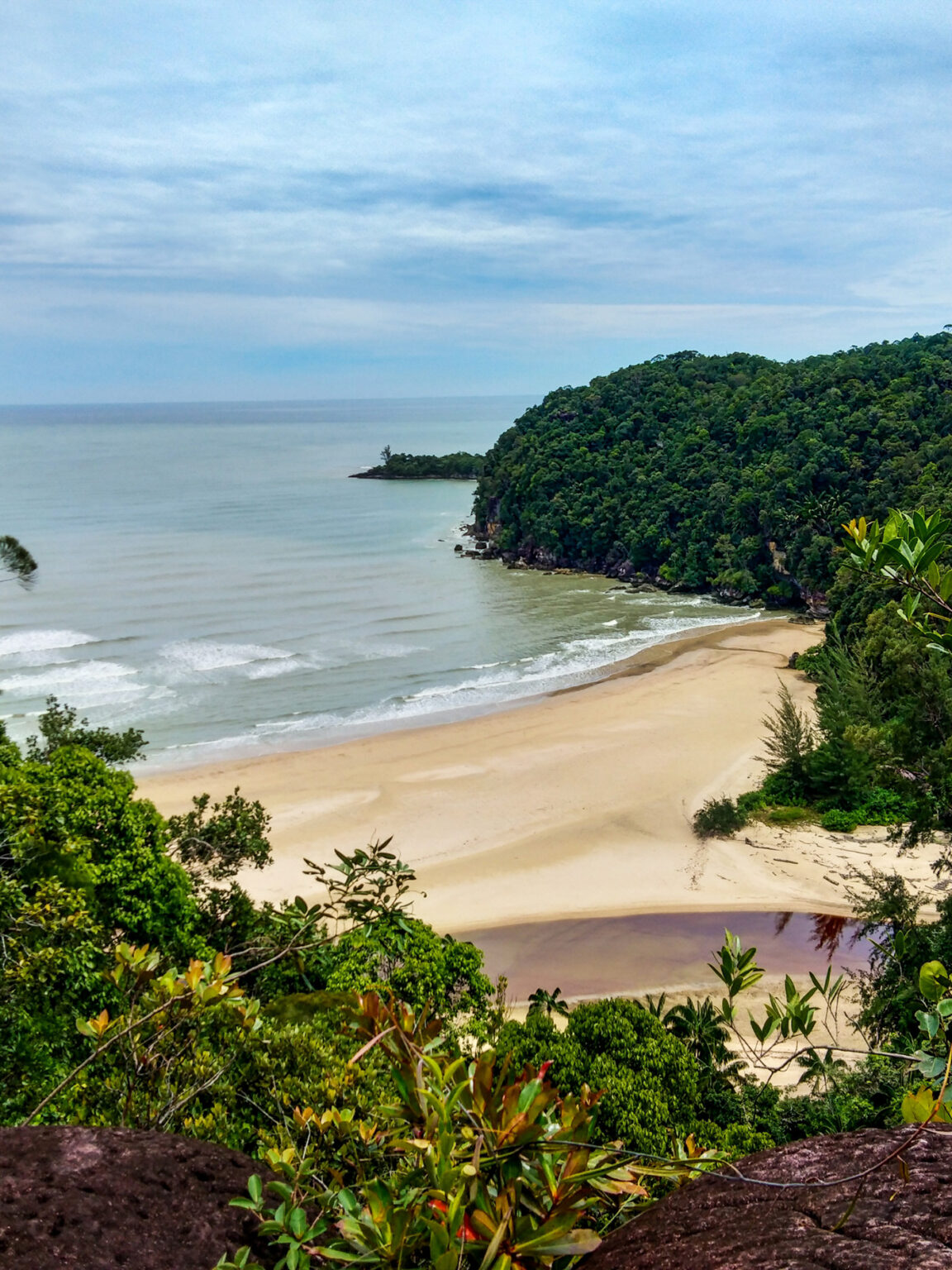
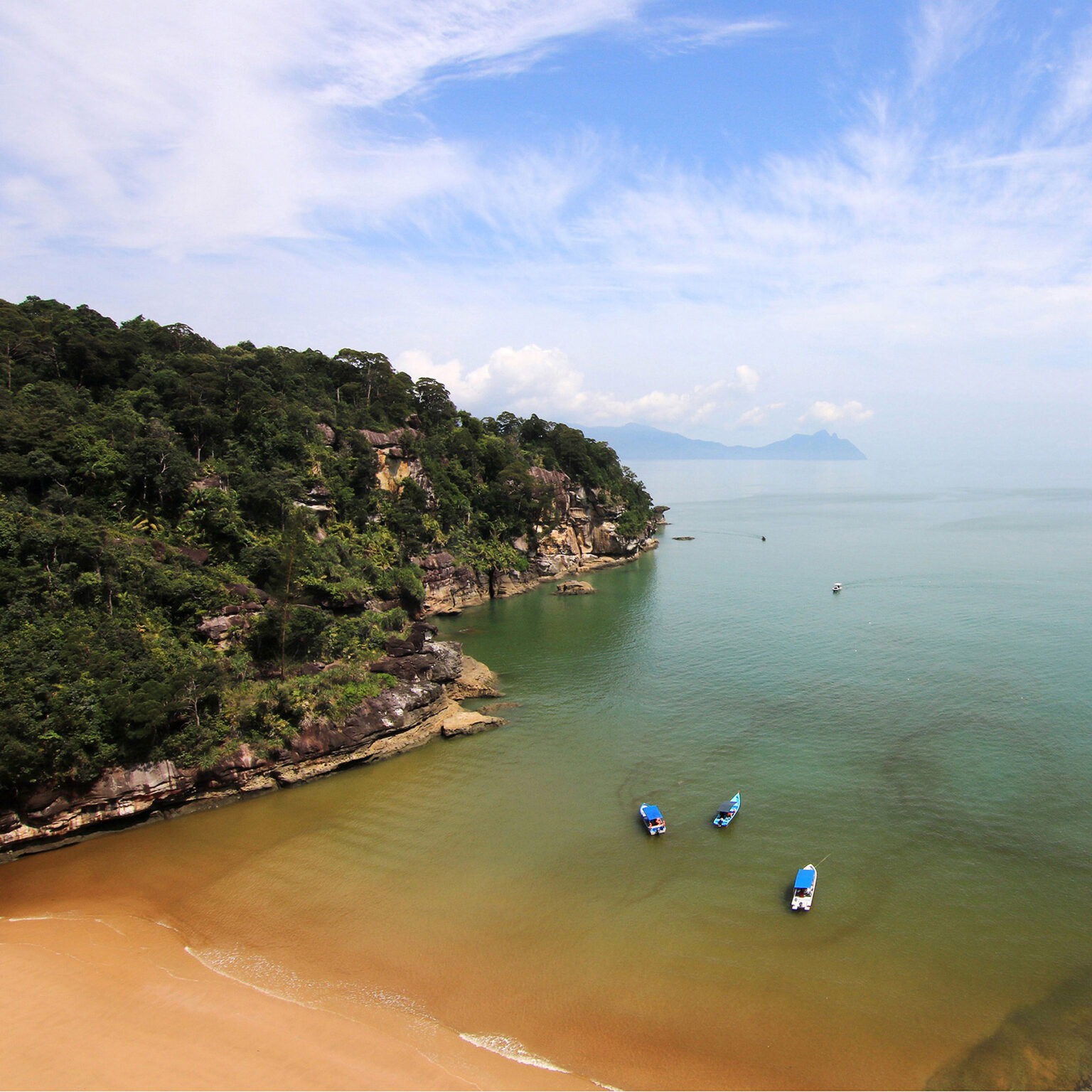
Just as captivating as the animals are the visually spectacular landscapes they live in. From the honeyed beaches of Tanjung Datu National Park to the soaring limestone pinnacles of Gunung Mulu National Park, with swathes of thick tropical rainforest, plunging caverns and winding river systems in between, Sarawak can feel like a continent of its own, which waits to be explored on foot and by boat.
It’s easy to see why humans have made their home here for millennia. From the ancient rainforest ecosystems and dramatic cave networks of Gunung Mulu National Park to living Indigenous traditions celebrated through festivals such as Gawai Dayak, Pesta Babulang, Pesta Nukenen Bario and Pesta Sāvaiēk, Sarawak offers a rich meeting point of nature, culture and community.
Sarawak wakes up early. Being further east, the sun rises earlier here than in Peninsular Malaysia, and the state’s town and city folk waste no time bustling into life with the dawn. You should join them, better to make the most of your day in this enchanting corner of the world.
In Kuching, the state capital, the morning markets are already springing to life at Medan Niaga Satok, where tropical fruits, local herbs, freshly caught seafood and produce from across Sarawak fill the bustling stalls. Workers flock to Kenyalang Park Market to fuel up for the day with steaming cups of the nutty, locally grown Liberica coffee and Sarawakian breakfasts of kolo mee, the state’s iconic dry-tossed noodle dish. Sibu, meanwhile, 160km northeast of Kuching, is noted for its rich Chinese heritage, with hawker centres and holes-in-the-wall serving kopi-o, kompia and aromatic bowls of Foochow kampua for breakfast.
Bako National Park | Sarawak Tourism
Paku Rock Maze Garden, Bau | Sarawak Tourism
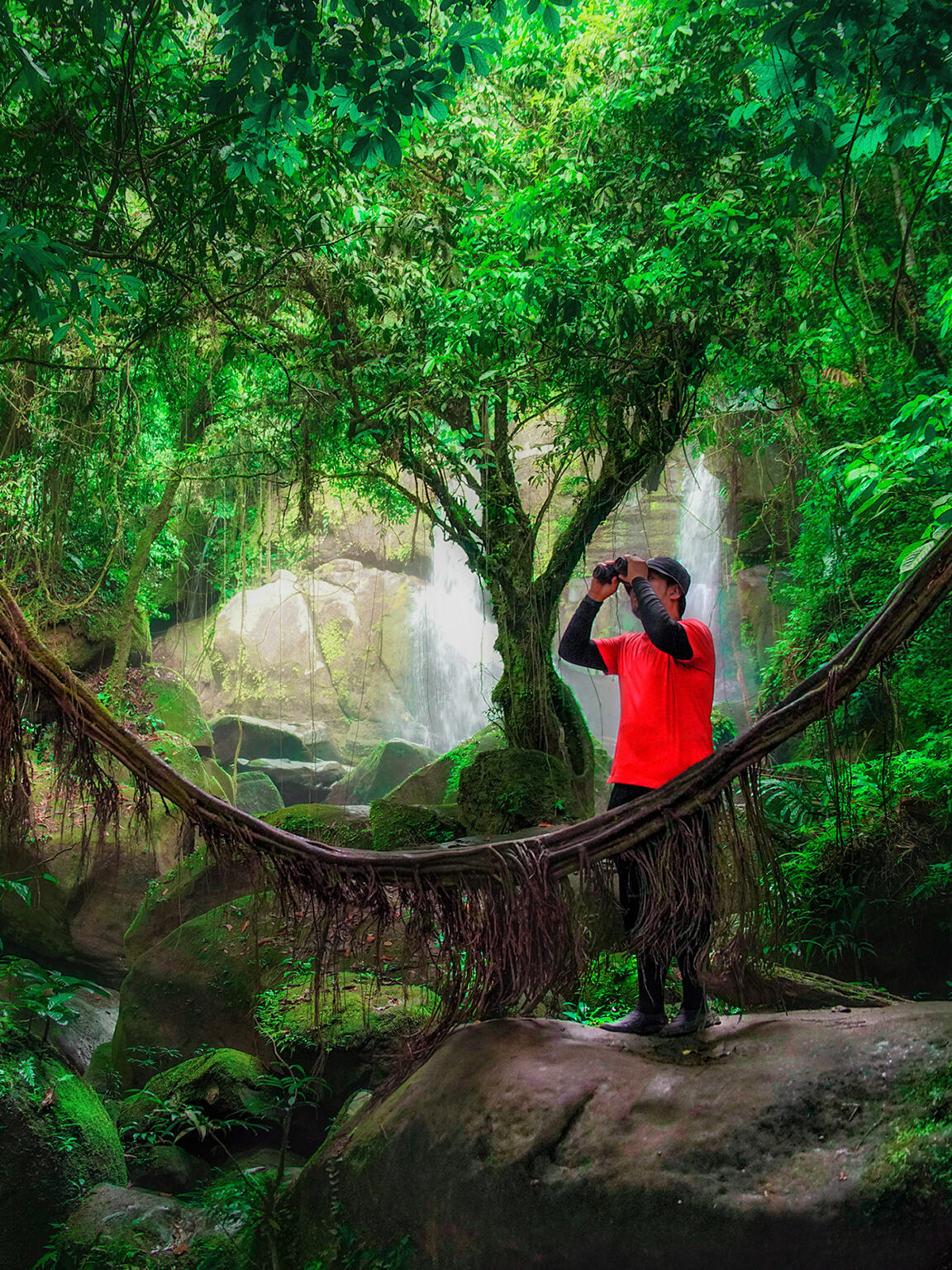
Outside the city, the mornings are just as bewitching. The jungles are steaming in the dawn light, and the quiet and comparative cool means that this time of day is perfect for a rainforest hike.
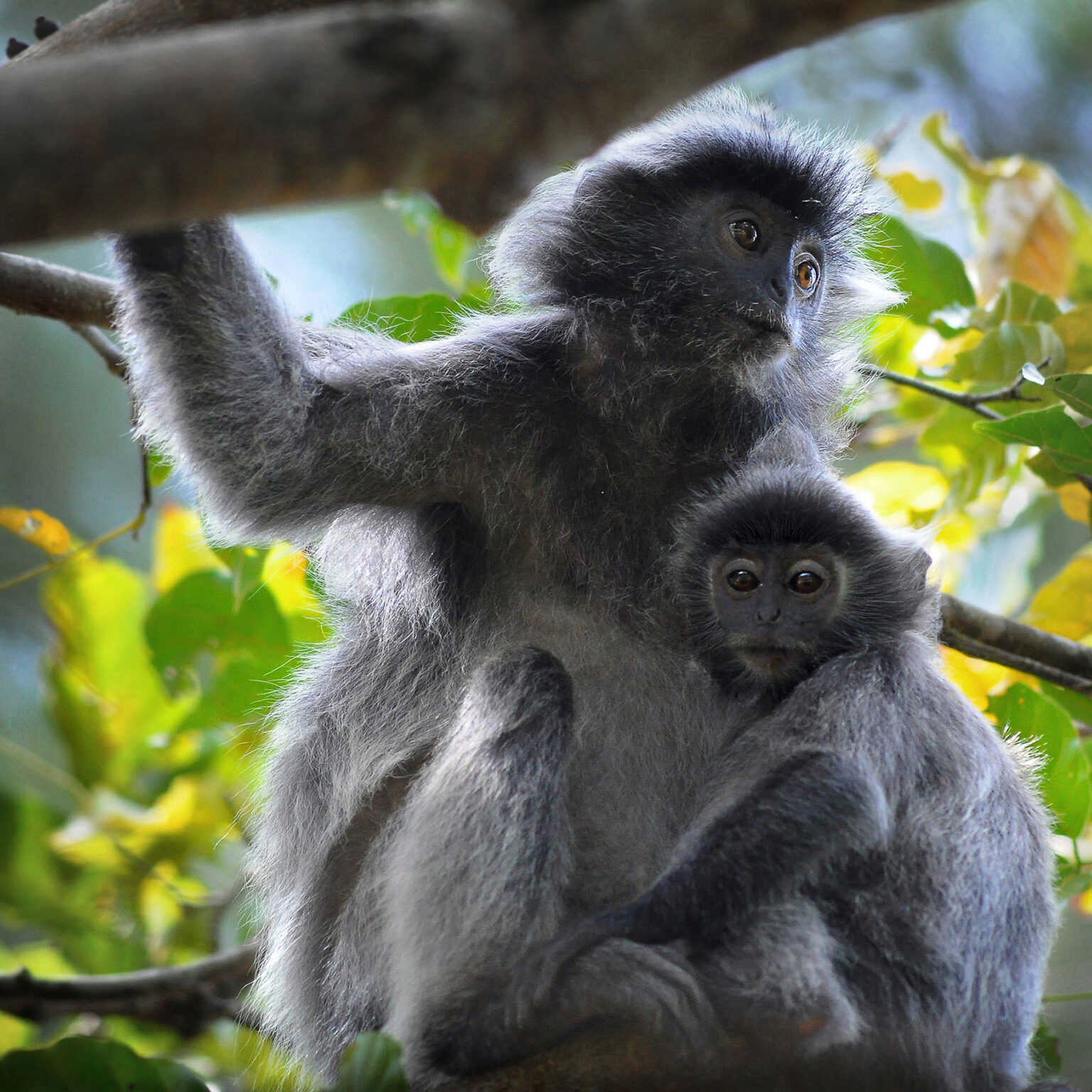
Silvery langur monkeys | Sarawak Tourism
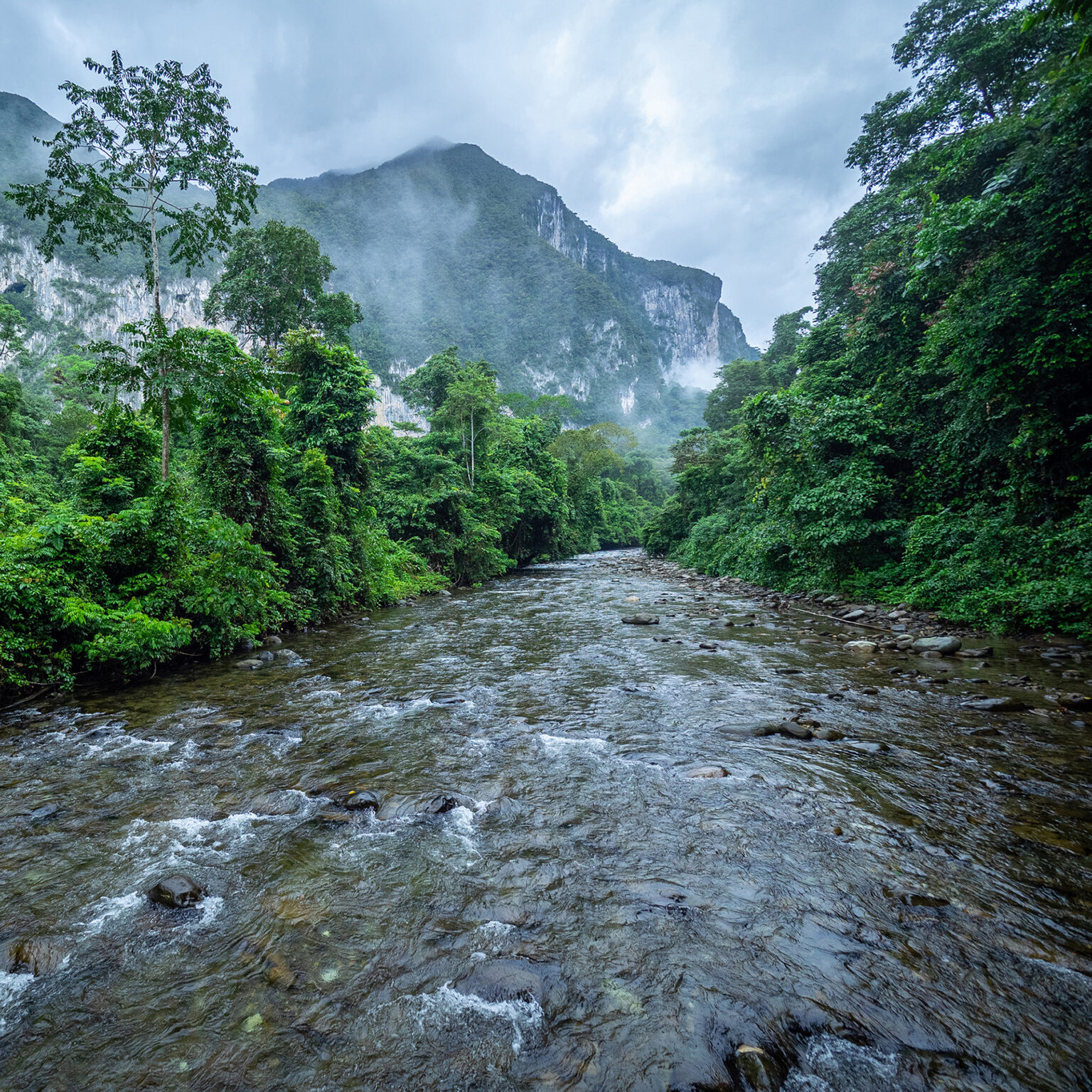
Mulu National Park | Sarawak Tourism
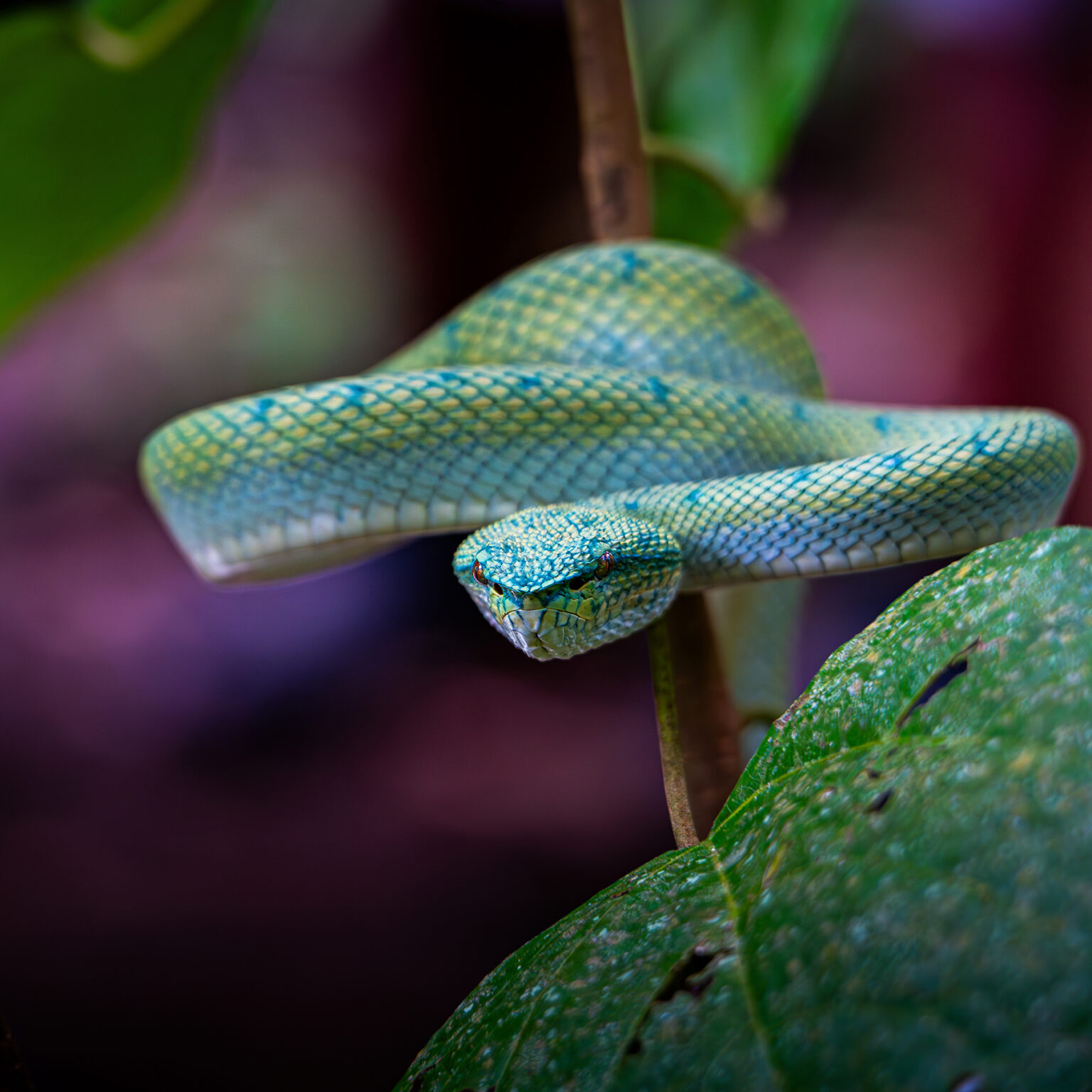
Bornean keeled pit viper in Bako National Park | Sarawak Tourism
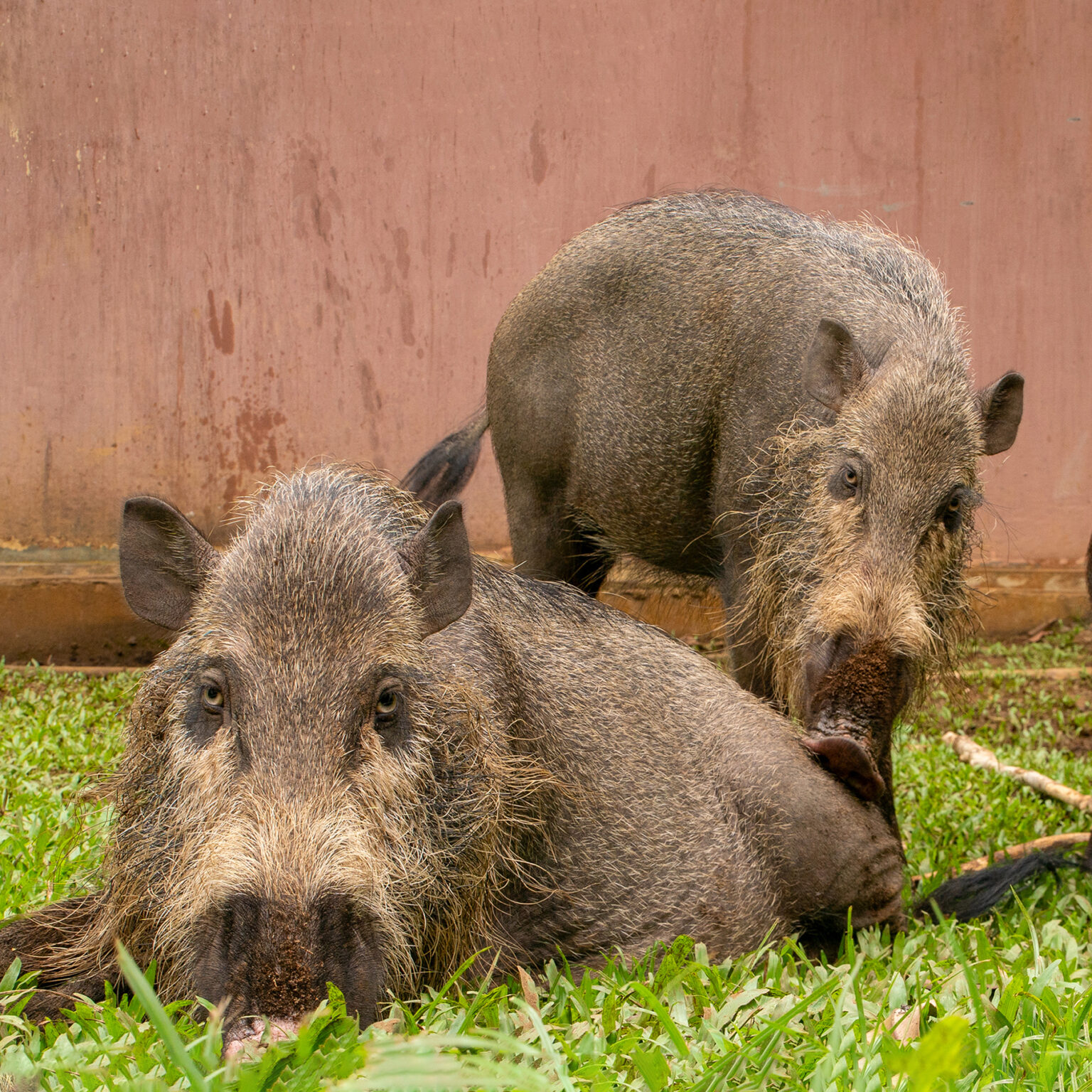
In the coastal Bako National Park, just 40 minutes’ drive north of Kuching, hiking trails take you through thick jungle, murky mangrove swamps, and golden beaches, allowing you to spot all manner of wildlife: bearded pigs snuffling in the sand, langurs chattering in the trees, and proboscis monkeys lounging in the trees along the Telok Paku Trail. This easy 1.5km walking track begins at the park headquarters and takes in forest and clifftop trails, taking just over an hour to complete.
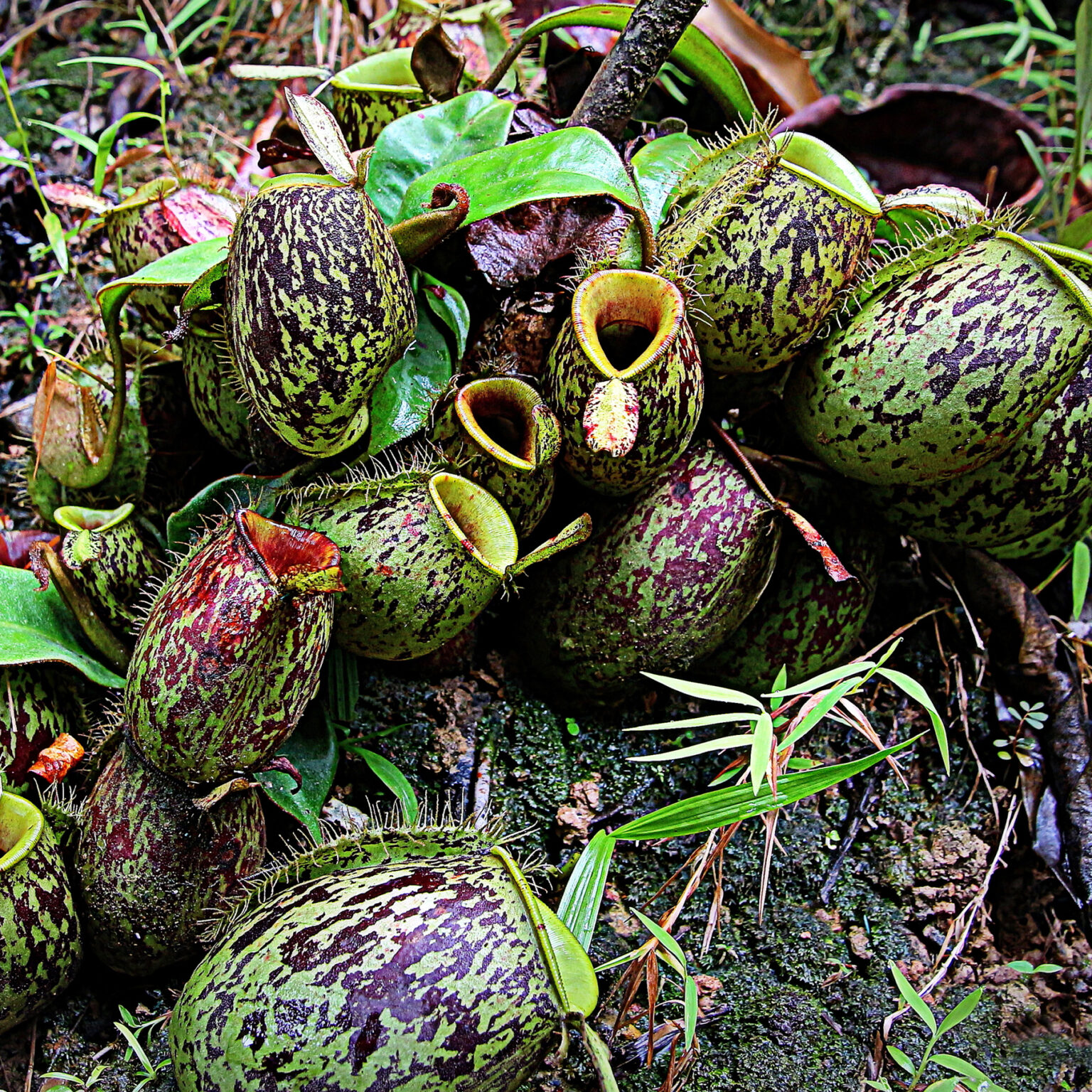
Pitcher plants at Matang Wildlife Centre | Sarawak Tourism
Bearded pigs in Bako National Park | Sarawak Tourism
Bako National Park | Sarawak Tourism
Watch the video to discover Sarawak’s UNESCO World Heritage Sites
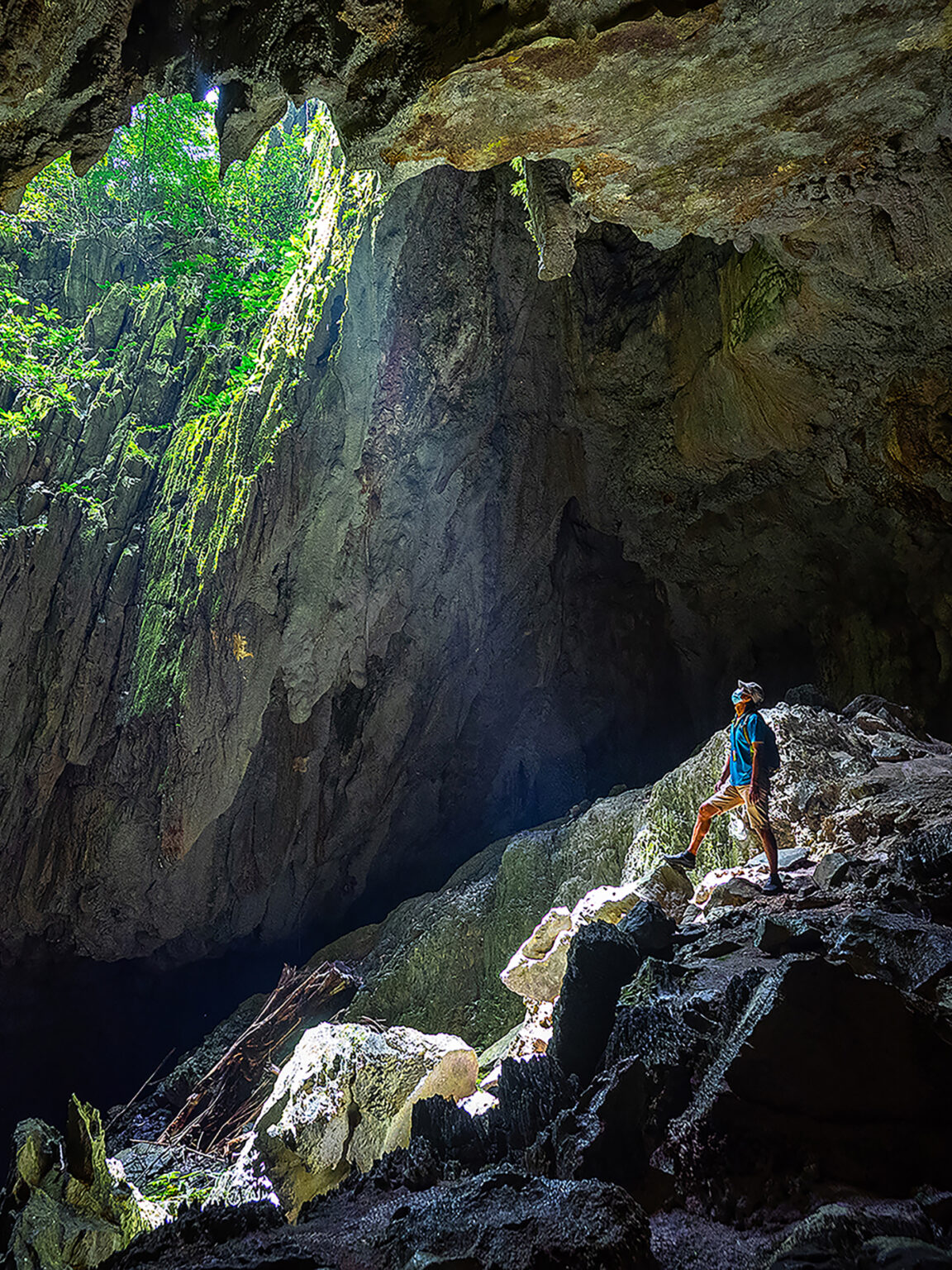
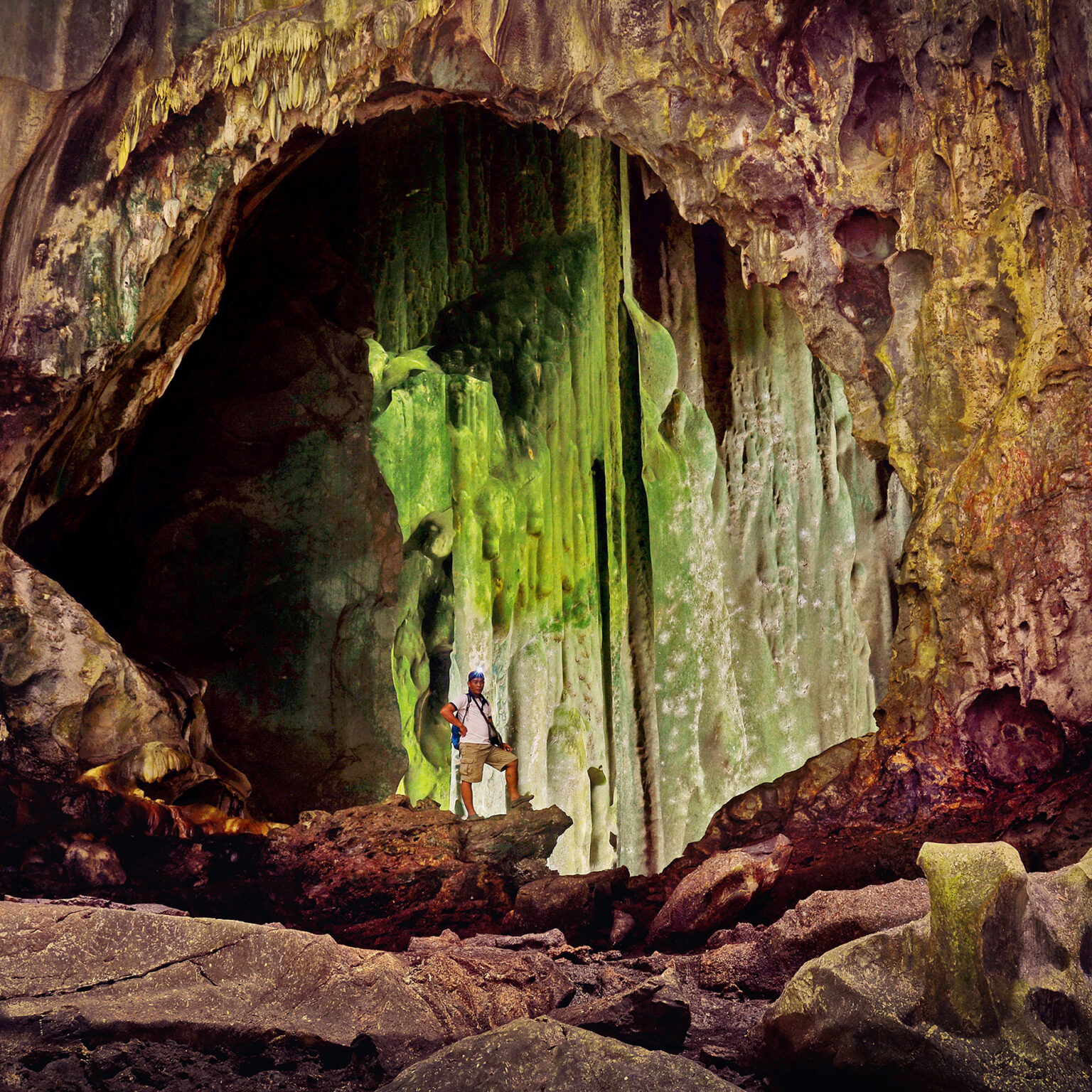
The vast limestone caverns of Niah Great Cave at Niah National Park yielded the famous Deep Skull and evidence of human occupation dating back more than 65,000 years. In Sarawak’s other UNESCO World Heritage Site, Gunung Mulu National Park, the jagged Pinnacles rise amid equatorial rainforest and the Sarawak Chamber is the world’s largest known cave chamber.
The morning is also a fantastic time to visit Gunung Mulu National Park, one of Sarawak’s twin UNESCO World Heritage Sites, which lies some 560km northeast of Kuching. A place of mist-encircled mountains with jagged pinnacles protruding from their slopes like sharks’ teeth, this is Sarawak at its most dramatic. If you’re there in the very early morning, a sunrise hike up Mount Mulu, Sarawak’s second-highest peak, is a magnificent experience – although it’s only for seasoned hikers.
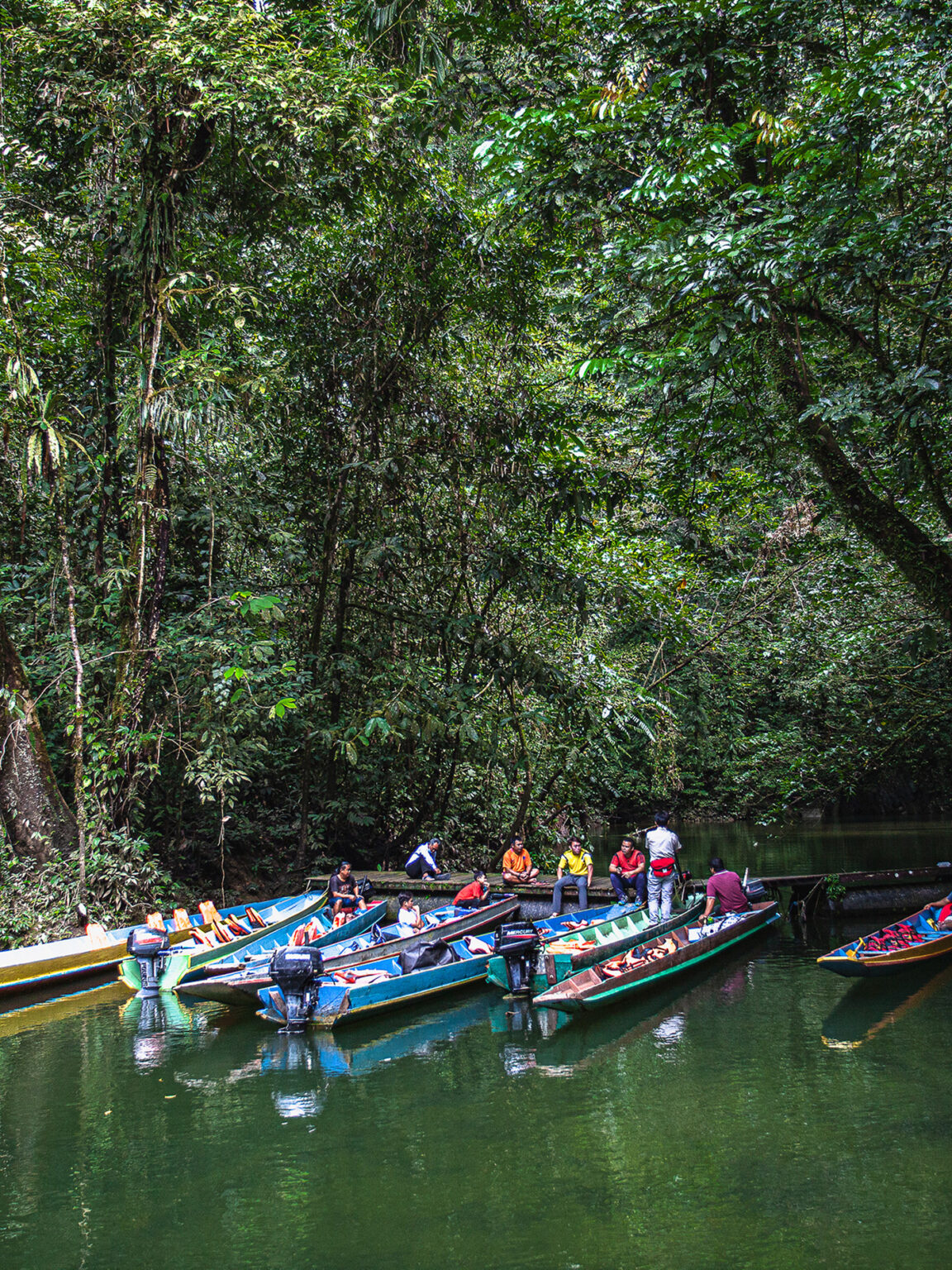
More gentle is the Canopy Walk, which leads you along treetop boardwalks 25 metres up in the trees, allowing you to greet the morning with awaking wildlife such as red leaf monkeys, technicolour hornbills, and orangutans. Also unmissable in the park is a trip on a traditional longboat to Clearwater Cave, famed for its otherworldly rock formations and the bizarre monophyllaea pendula – plants unique to Sarawak which are made up of just one leaf.
Boat tours explore Clearwater Cave, Gunung Mulu National Park | Sarawak Tourism
Gunung Mulu National Park protects caves and karst formations | Sarawak Tourism
Enjoy Sarawak’s fragrant cuisine
Even in a foodie paradise like Malaysia, Sarawakian cuisine stands out as some of the best. The food here is aromatic and rich, drawing on the cornucopia of life-giving plants and animals which grow and live in the jungle as well as the rich bounty of the coast, with some of the best seafood in Southeast Asia to be had on these shores. Throw in the combination of Indigenous cooking techniques with Malay, Chinese, European and Indian influences, and you have a recipe for unrivalled deliciousness.
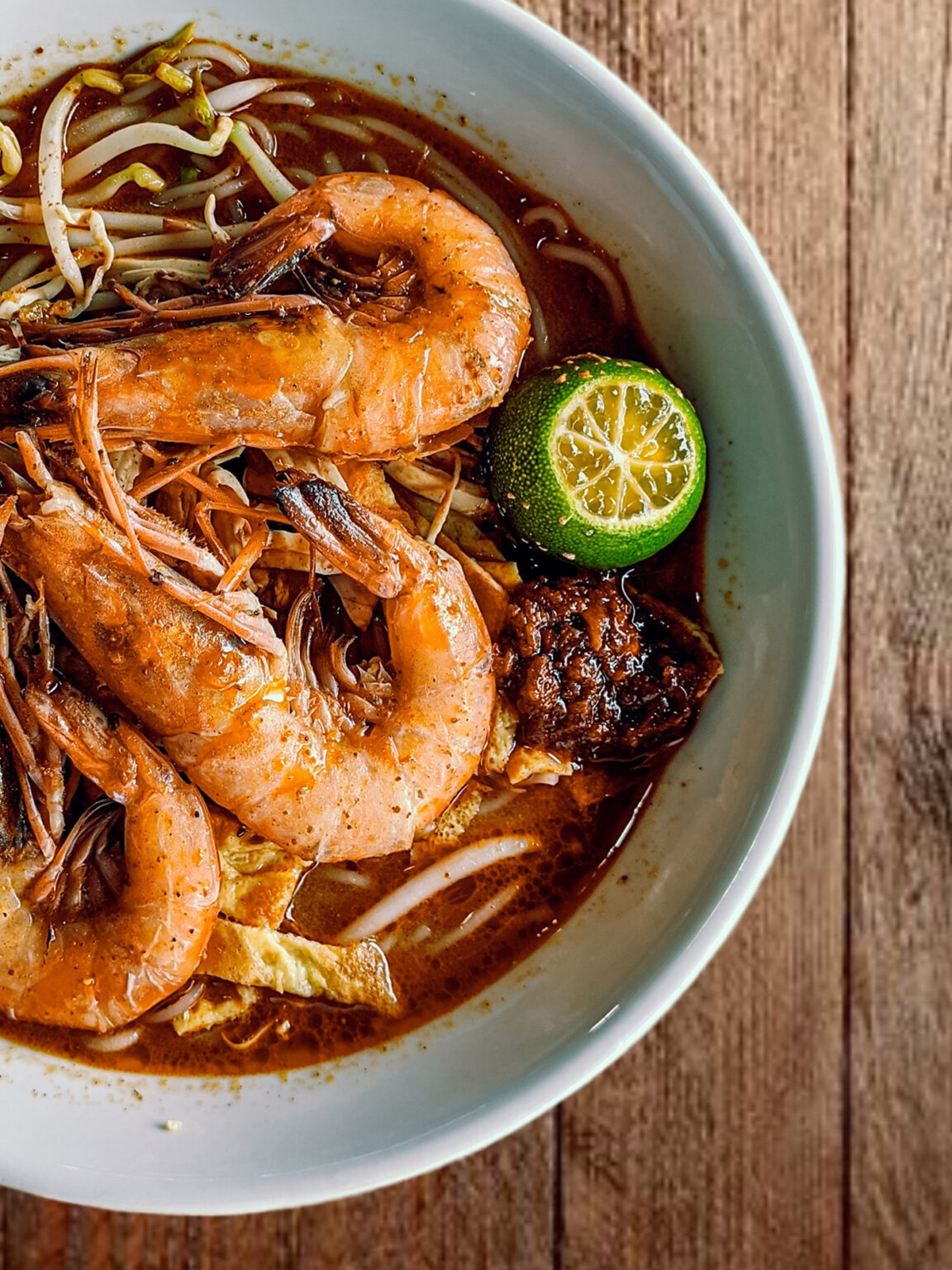
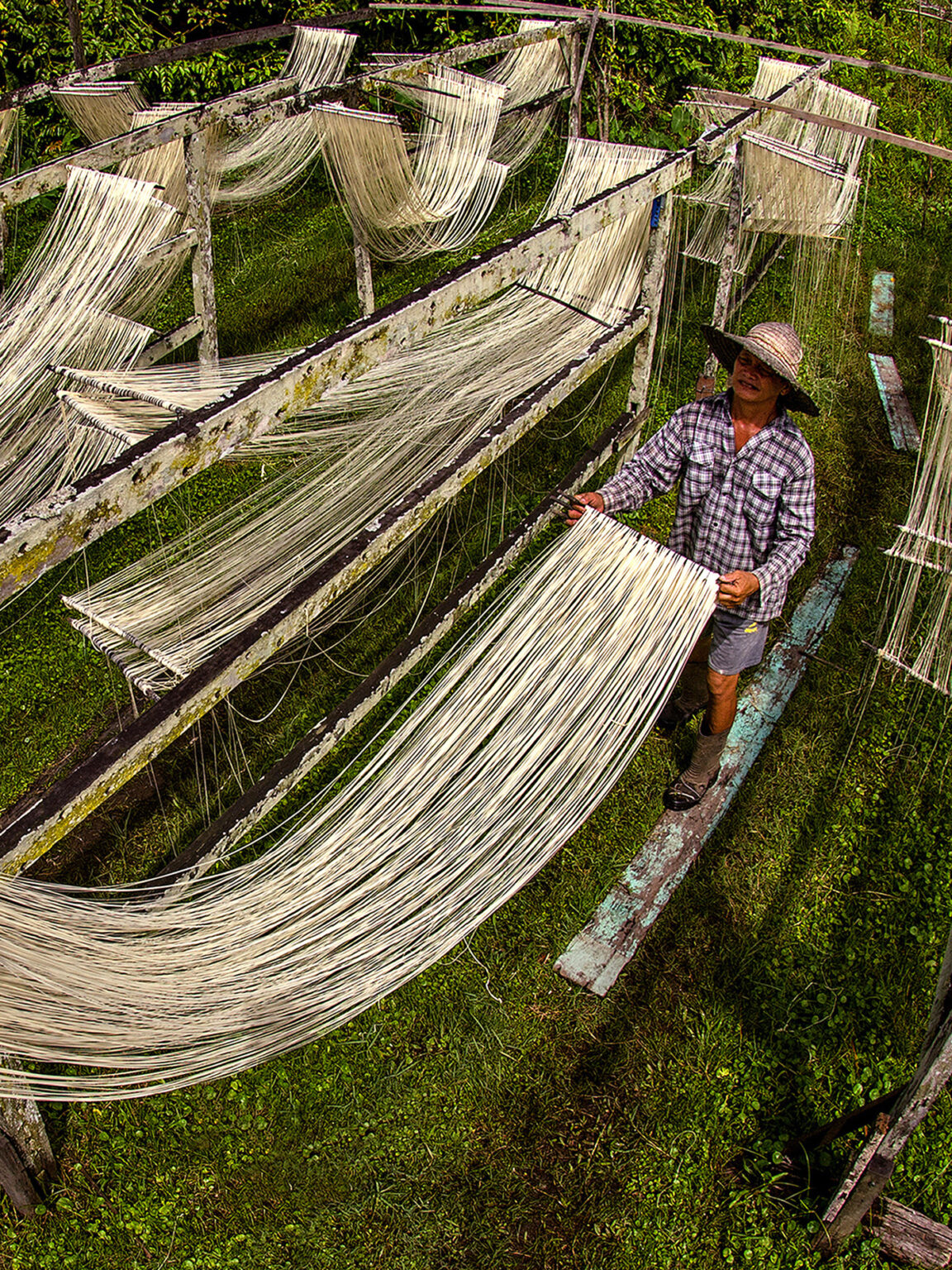
The best place to get an introductory overview into Sarawak’s diverse cuisine is a Kuching food court such as Lau Ya Keng, where stalls sell all the state’s classic dishes. Begin with Sarawak laksa, a rich noodle soup served with chicken, prawns, sambal and lime, and don’t miss the chance to try tomato crispy mee – deep-fried noodles served with meat and a tangy tomato broth. In Sibu, savour Chinese-influenced dishes such as red wine mee sua – noodles and chicken cooked in an extremely comforting broth of ginger and red rice wine.
Be sure to leave room, though, for the ultimate local dessert: Sarawak layer cake. This colourful confection is made up of several layers of vibrant patterned sponge, the legacy of Dutch influence during the colonial era.
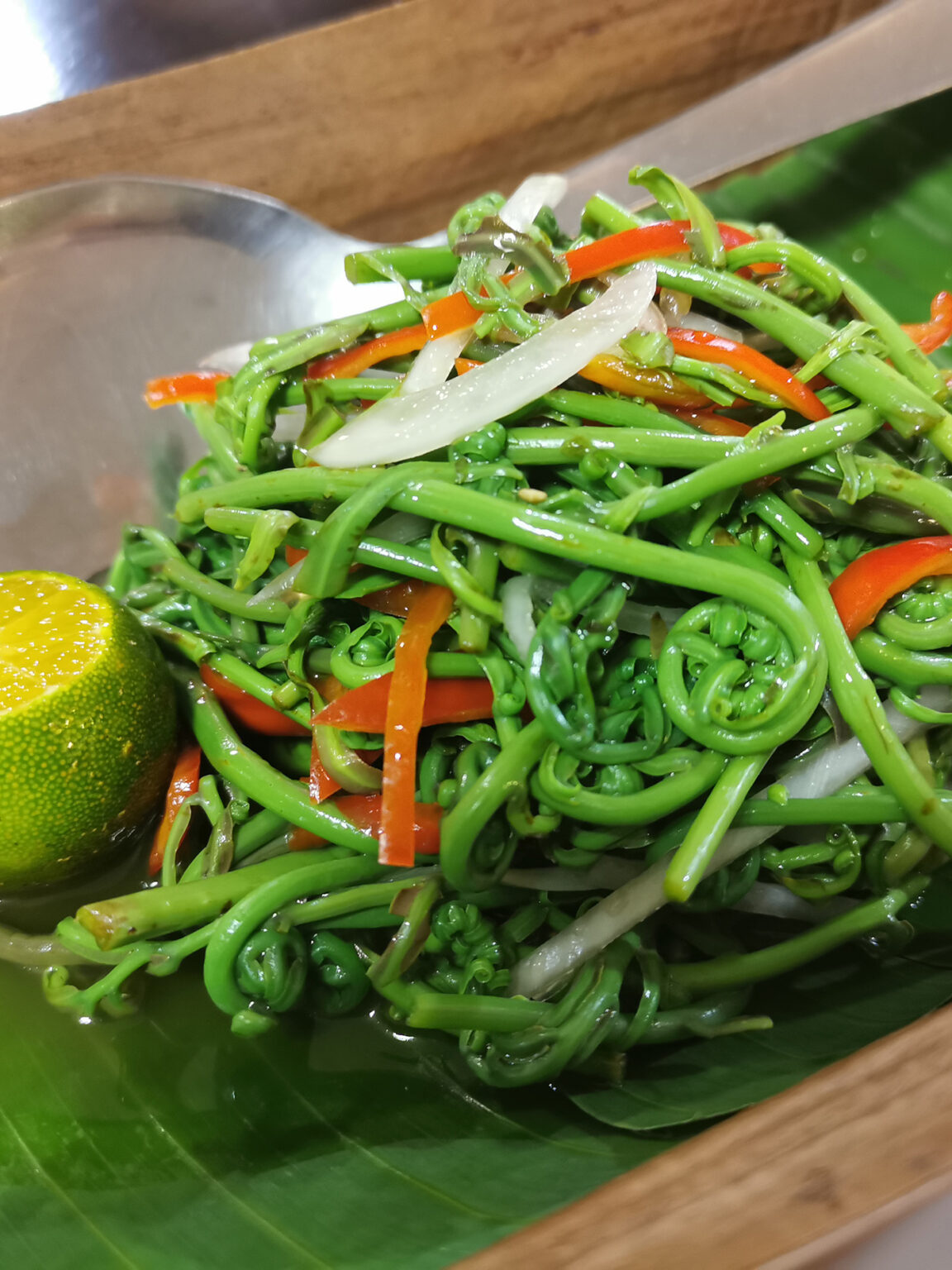
Sarawak’s Indigenous cuisine comes to the fore through ingredients rooted in the rainforest landscape. Sayur midin is a delicious dish of jungle ferns fried with shrimp paste, while terung asam is a local sour aubergine often used in spicy curries.
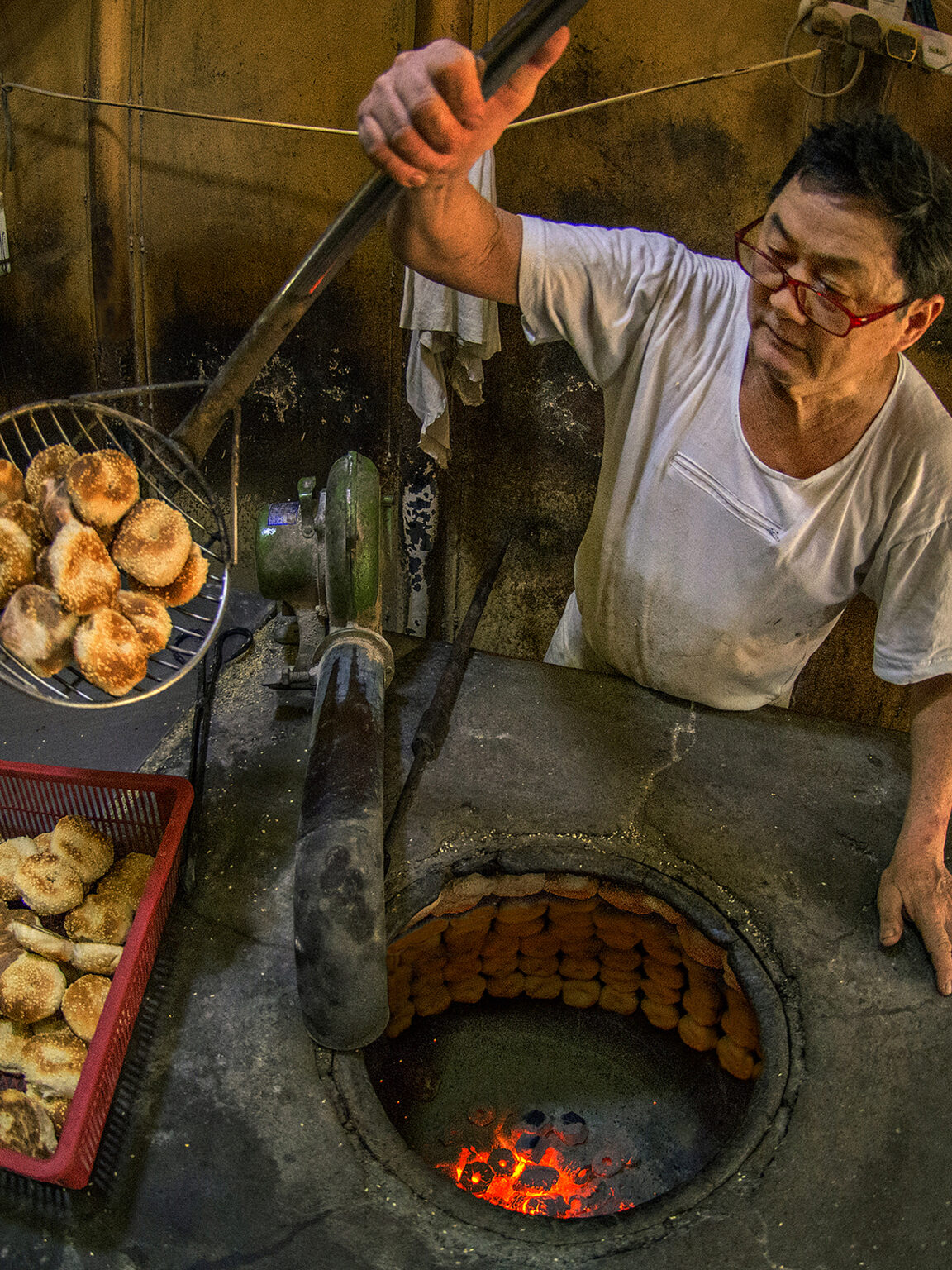
Baking kompia bagels | Sarawak Tourism
Kolo mee dry noodle dish | Sarawak Tourism
Immerse yourself in nature
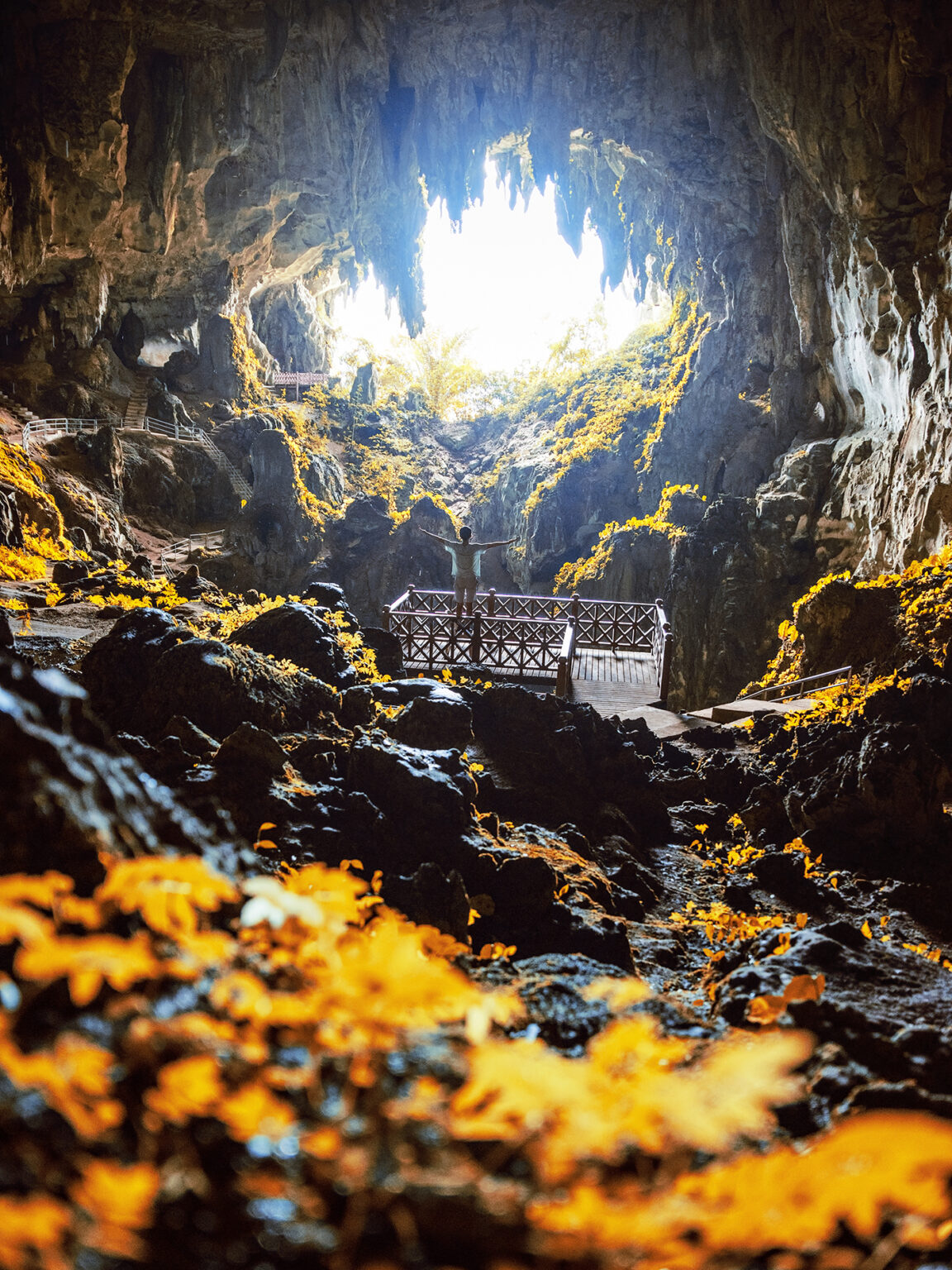
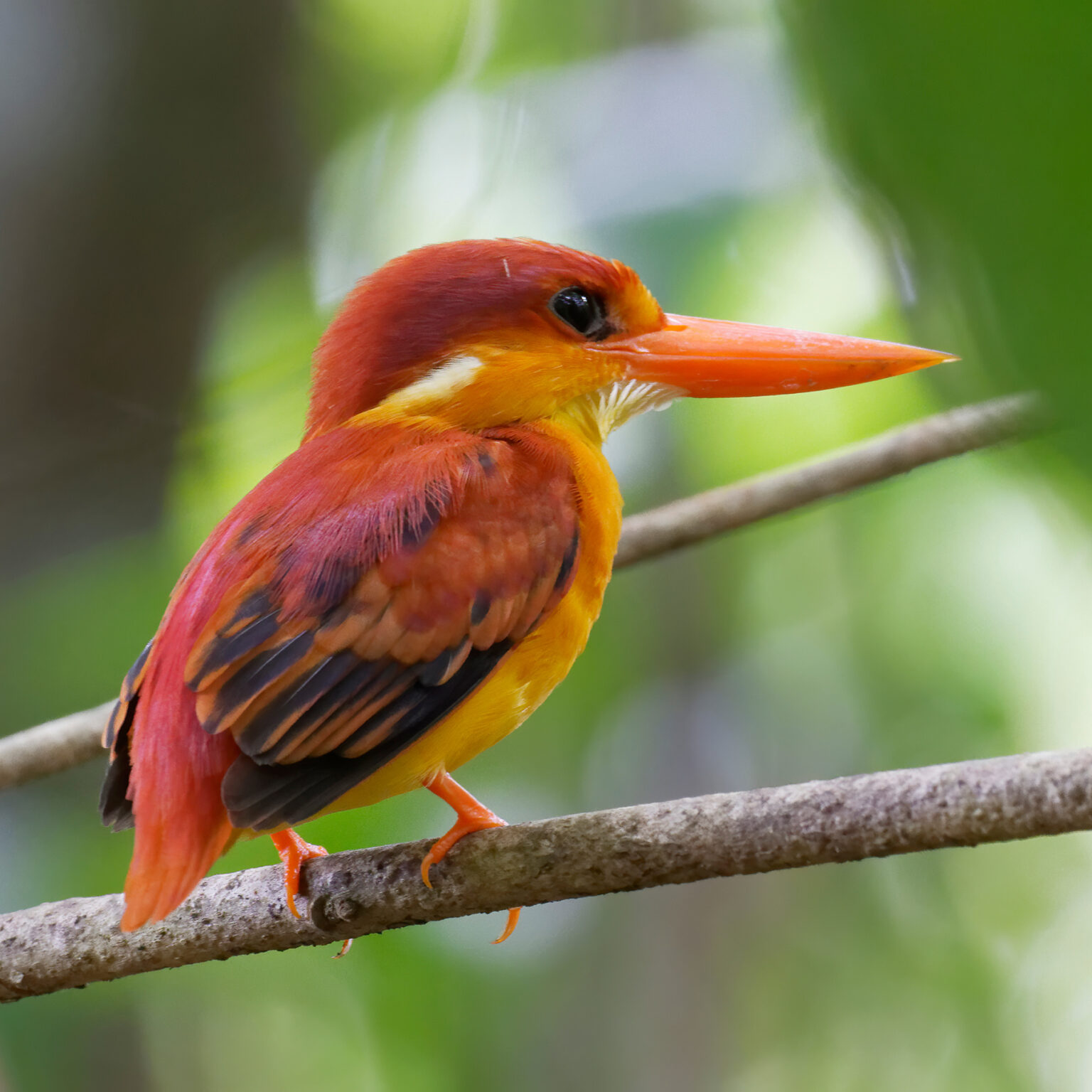
The shade of Sarawak’s rainforest canopies and jungle caves are especially tempting in the heat of the afternoon. One of the state’s two UNESCO World Heritage Sites is Niah National Park, famed for its cave mouths strewn with vines and its rich archaeological bounty, which tells the story of some of the first humans to live in Borneo. Venture out on the Great Cave Trail – an easy, well waymarked 3km walk through the trees, past curious macaques and colourful kingfishers – to discover caverns painted in red hematite, depicting human burial rituals dating back more than 1,000 years.
Fairy Cave, Bau | Sarawak Tourism
Susung Waterfall | Sarawak Tourism
The shade of Sarawak’s rainforest canopies and jungle caves are especially tempting in the heat of the afternoon.
Rufous-backed dwarf kingfisher | Shutterstock
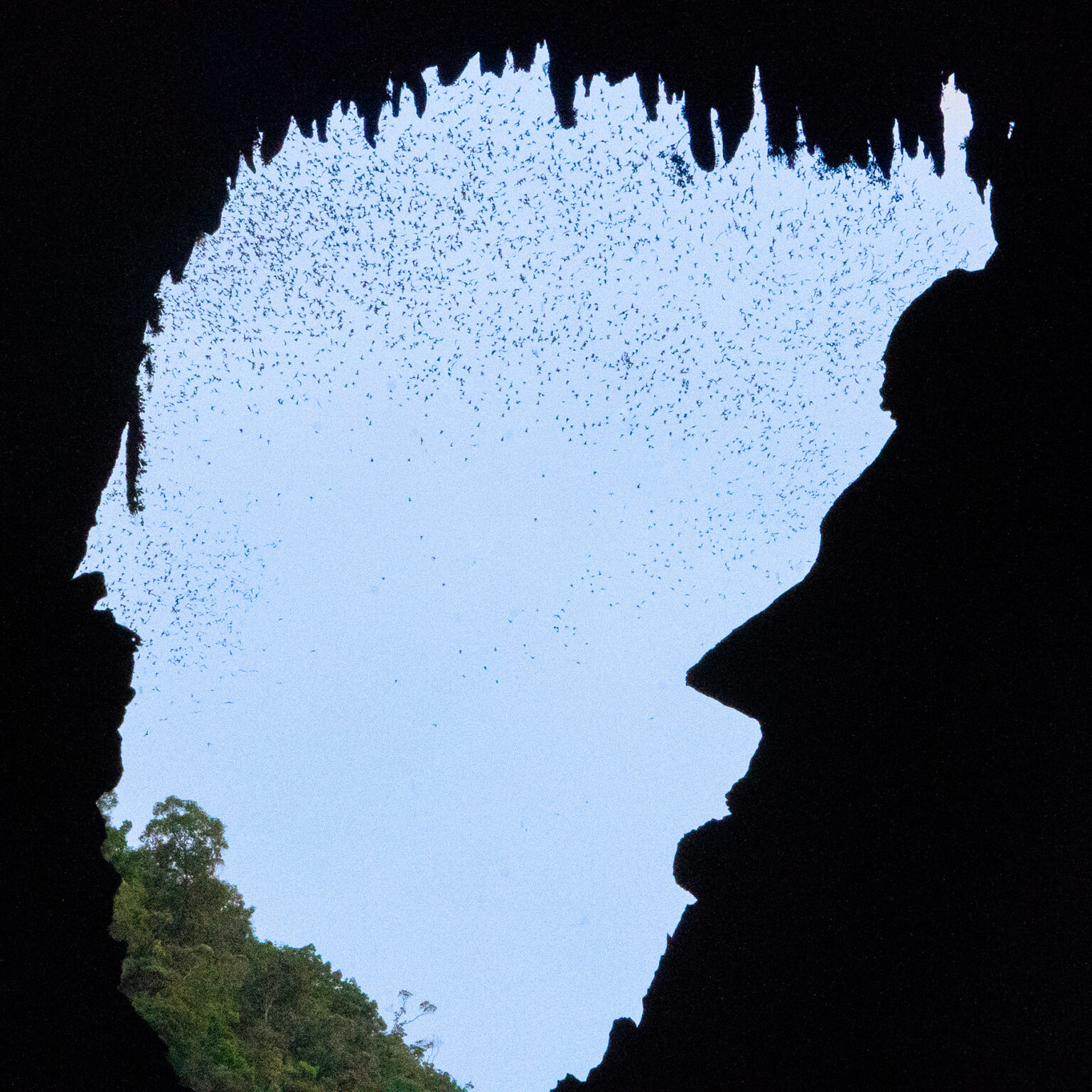
The face of Abraham Lincoln in limestone silhouette, Mulu National Park | Sarawak Tourism
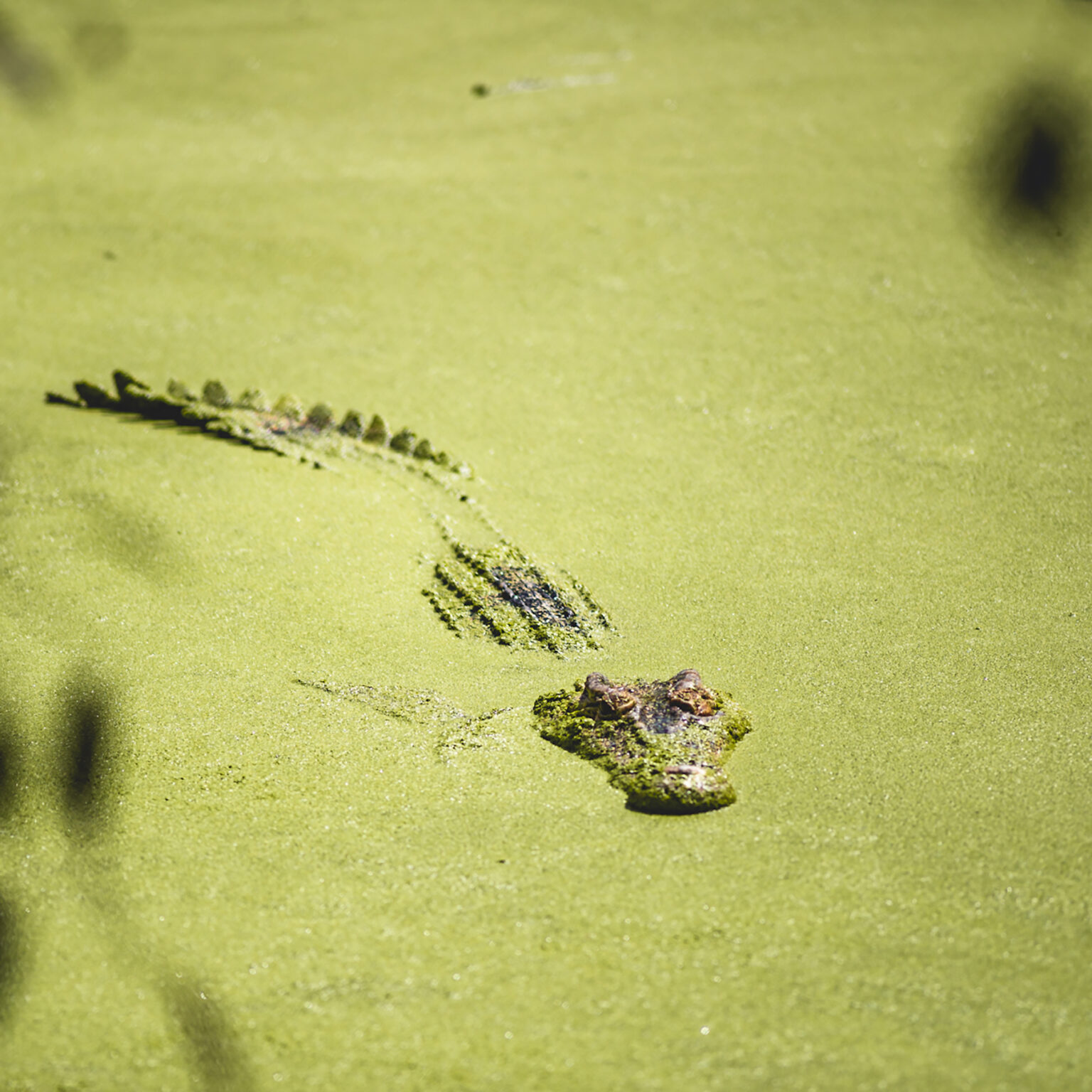
The river basins are home to crocodiles | Sarawak Tourism
Sarawak’s waterways are extremely tempting on a hot day, too. Kayaking on the Semadang River, just an hour by car from Kuching, is the perfect way to cool off – winding down the water beneath rows of sea almond trees, listening to flycatchers and babbler birds singing in the canopy, and disembarking to swim in waterfalls.
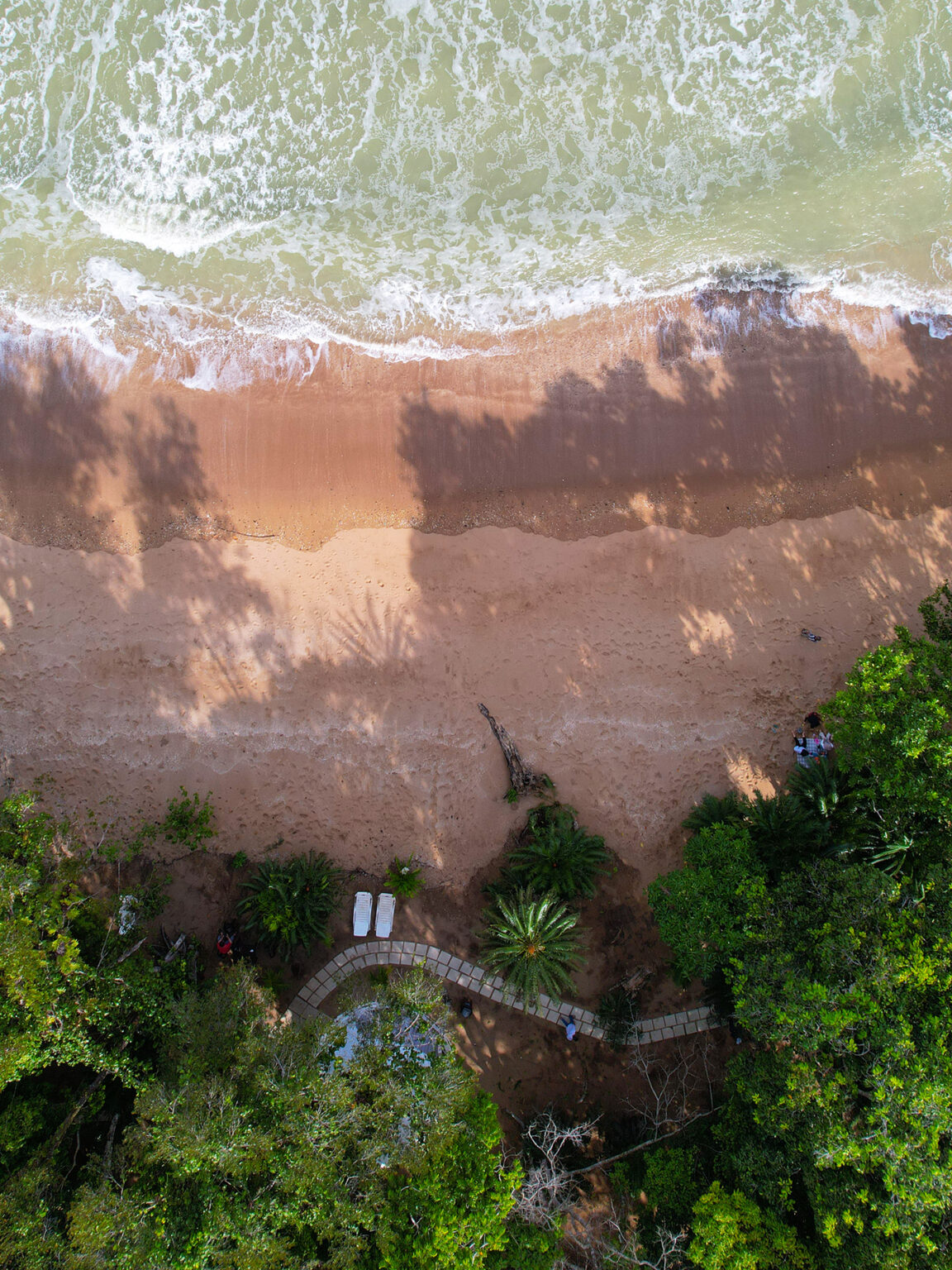
If the beach is more your thing, check out Tanjung Datu National Park, on Sarawak’s westernmost tip 140km from Kuching. Here, the rainforest sprawls right down to golden beaches, where green turtles nest in the sand and the adorable Sarawak surili – one of the rarest primates in the world – hides in the trees.
Niah National Park's riverside visitor centre | Shutterstock
Watch the video to experience a Semandang River rafting adventure
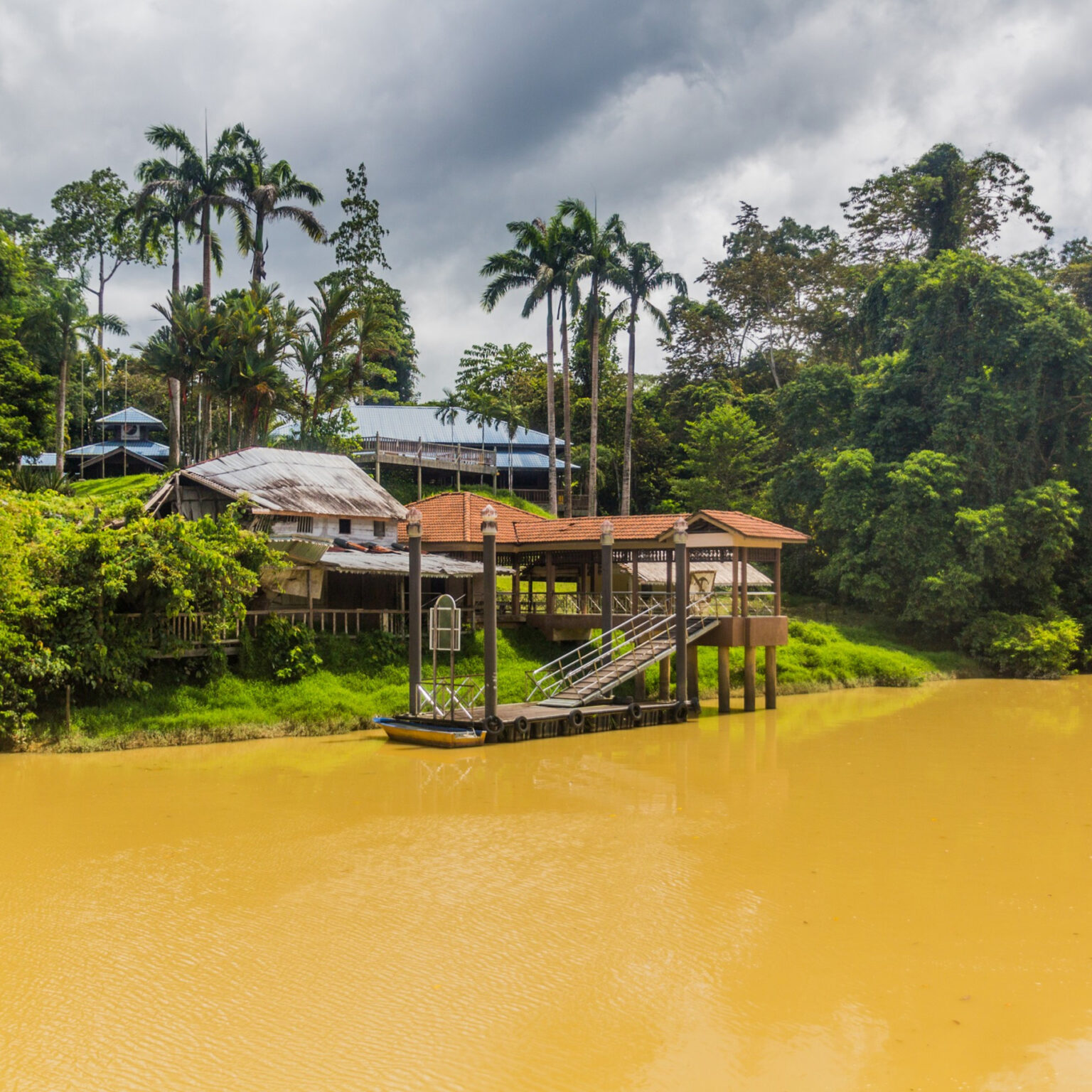
Linking the South China Sea to Borneo’s forested interior and tribal villages, Sarawak’s network of rivers offers epic adventures, whether you paddle among the mangroves or beneath a dappled canopy. The western Semadang River is popular for kayaking, bamboo rafting, caving and jungle hiking tours, which stop at cooling waterfalls and finish with a home-cooked Bidayuh feast.
Sometimes, though, the afternoon heat will get too much, and you’ll want to retreat inside one of Sarawak’s museums. In Kuching, cultural attractions range from the quirky Cat Museum — the first museum in the world dedicated to cats — to the immersive Borneo Cultures Museum, while newer additions such as the Santubong Archaeological Park and Wallace Centre, as well as the Brooke Dockyard Industrial Heritage Museum, offer deeper insight into Sarawak’s archaeological, cultural and industrial heritage.
In Sibu, the Lau King Howe Hospital Memorial Museum is Malaysia’s only medical museum, with fascinating exhibits showcasing the history of medical development in Sarawak. Miri, Sarawak’s second biggest city, is famed for its lucrative oil industry, which you can learn about at the Miri Petroleum Museum, on the site of the Grand Old Lady, the well where oil was first struck in Malaysia in 1910.
Serabang Beach, Tanjung Datu National Park | Shutterstock
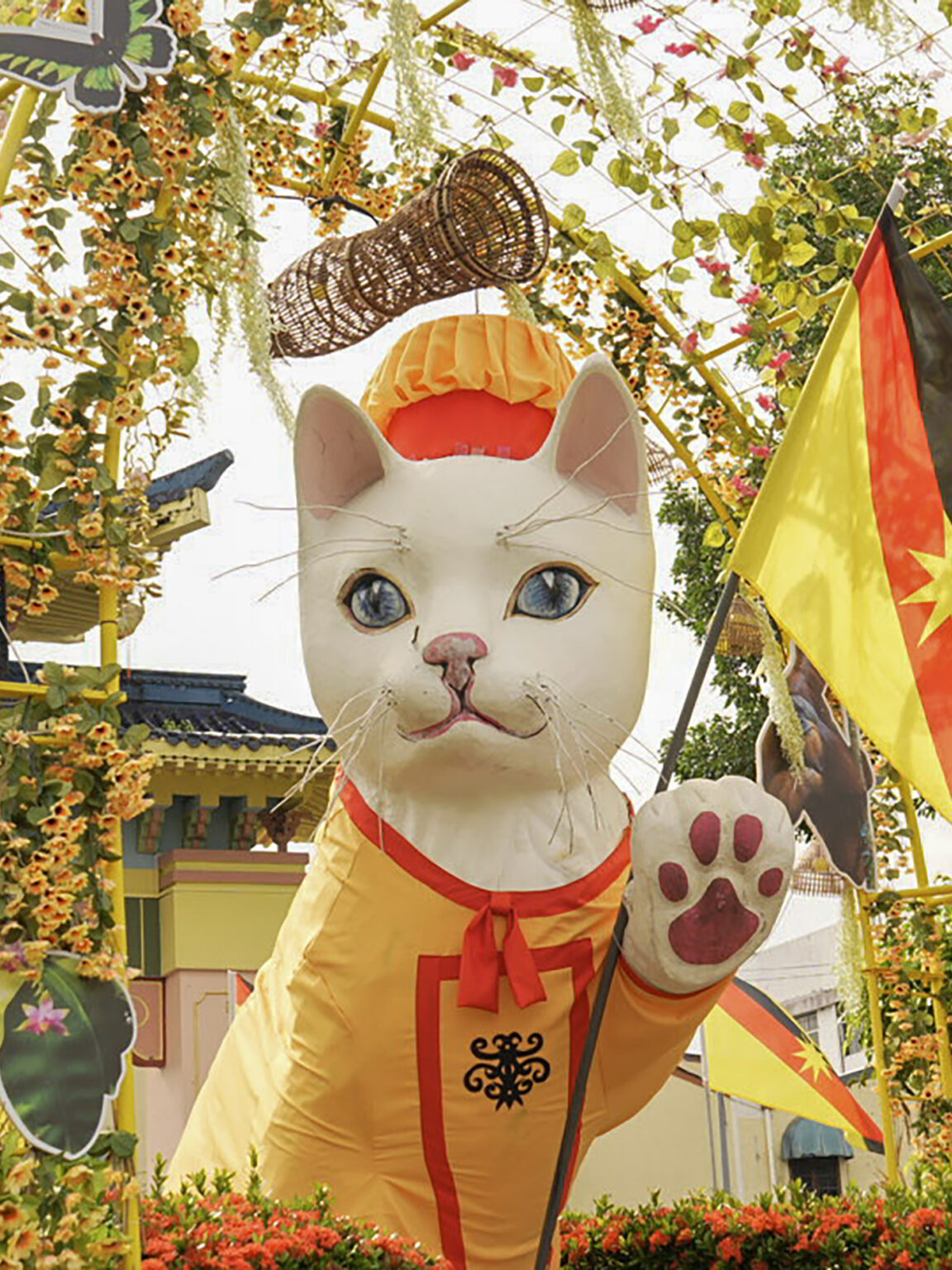
Cat statue in Padungan, Kuching | Sarawak Tourism
Experience the culture
As the sun sinks over the South China Sea and the heat of the afternoon recedes, Sarawak puts its cultural hat on. This is a place of rich artistic traditions, which combine longstanding Indigenous art forms with influences from the various outsiders who have visited and colonised Sarawak over the centuries.
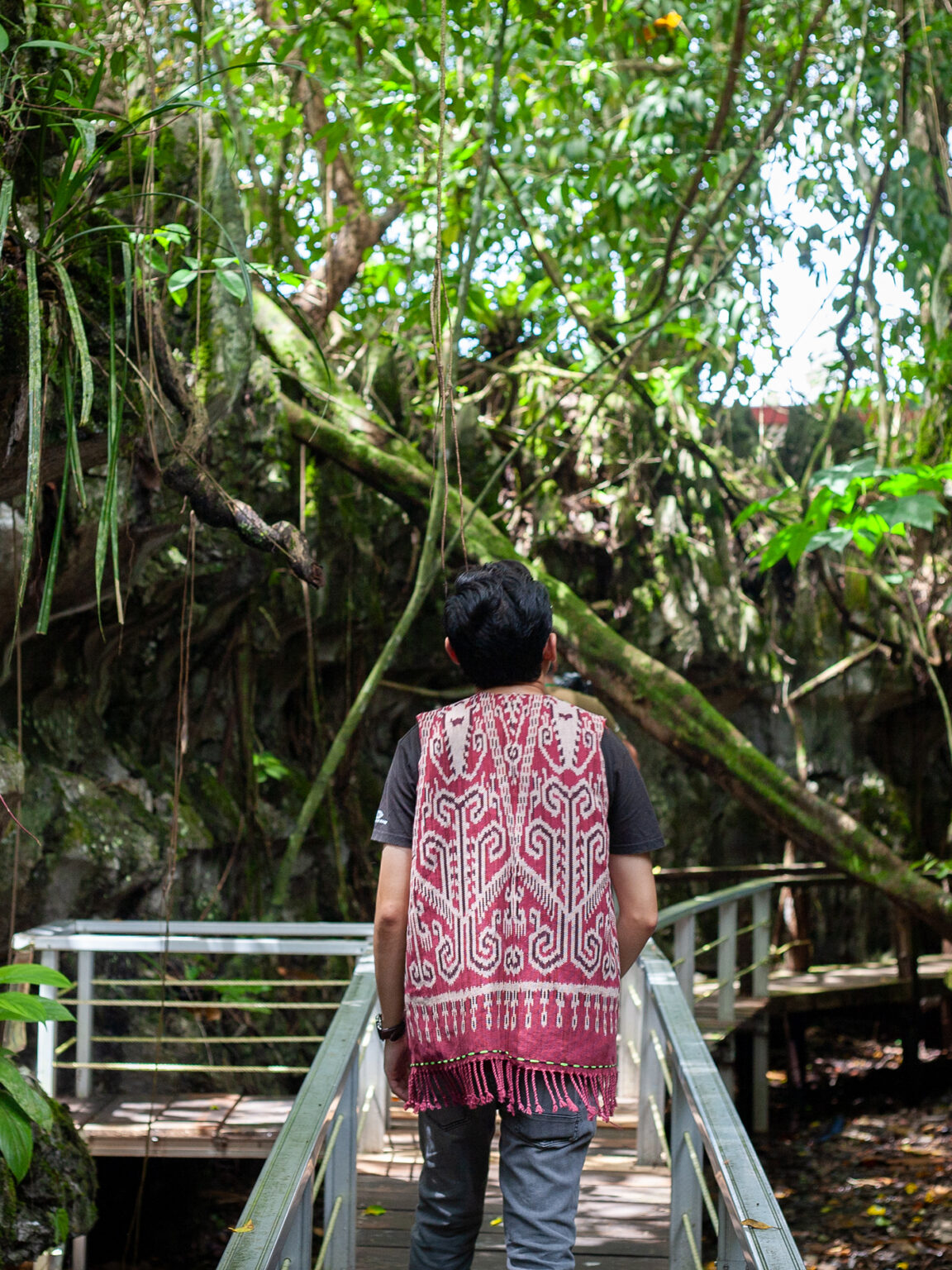
The highest concentration of cultural activities is to be found in Kuching, the state capital. Early evening activities could include a visit to Tanoti House, a handicrafts hub where you can witness traditional weaving styles like keringkam, which sees delicate golden thread woven into colourful fabrics. A waterfront stroll is another fantastic evening activity, with the colonial-era shophouses of Carpenter Street particularly attractive in the dusk light.
Dining on traditional Orang Ulu and Dayak cuisine is also a must, with restaurants such as Lepau Restaurant and Roselyn’s Gallery Cafe serving distinctive local dishes including umai, a raw fish delicacy, alongside Orang Ulu favourites such as luba laya and other heritage-inspired recipes rooted in Sarawak’s Indigenous communities. Be sure to make time, though, for the Sarawak Cultural Village in the city’s northern suburbs, where evening shows include music and dance performances of tales from Sarawakian folklore.
If it’s modern culture you’re after, Kuching’s vibrant nightlife scene comes alive around Carpenter Street, where visitors can explore a growing mix of bars, live music venues, cafés, and late-night hangout spots tucked within the city’s historic old quarter. Other unforgettable cultural experiences in the capital include the Rainforest World Music Festival, held in Kuching each late June, which sees folk musicians from across the world gather to showcase their musical traditions.
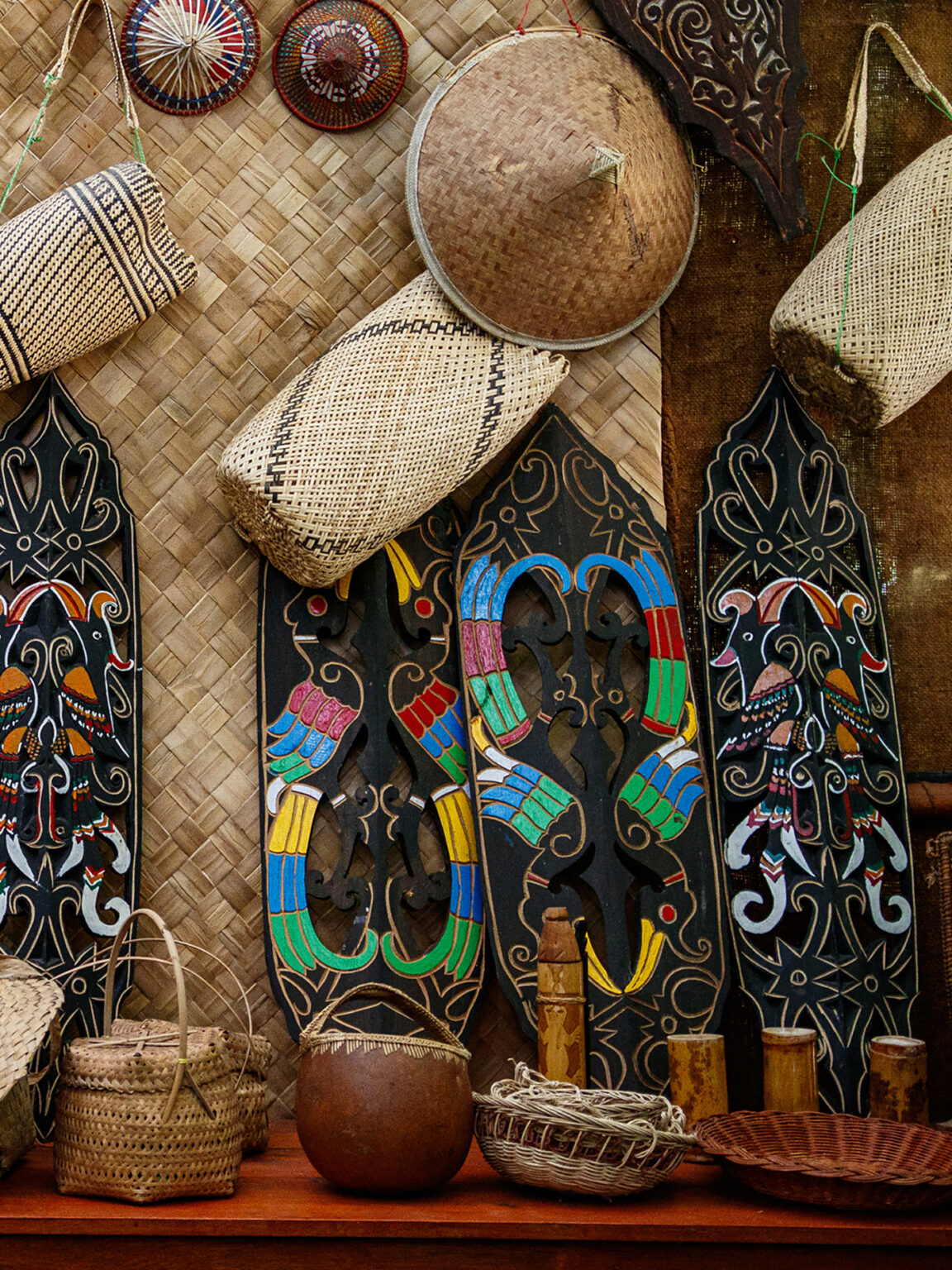
Local craftwork | Sarawak Tourism
Ezra Tekola of At Adau plays sape at the Rainforest World Music Festival | Sarawak Tourism
Jewellery combining traditional and modern bead artistry | Sarawak Tourism
It is within Sarawak’s Indigenous heartlands that the state’s Bornean cultures can be experienced most vividly.
If you’re visiting in early June, the Gawai Dayak Harvest Festival, celebrated by the Dayak community to mark the end of the harvest season, is unmissable. Festivities take place across the state at Dayak villages and longhouses, with some welcoming visitors, including the historic Annah Rais Longhouse located about an hour from Kuching. The state-level celebrations in Kuching bring the festivities into the heart of the city through cultural showcases, performances and the vibrant Gawai Dayak Parade along the Kuching Waterfront.
This is the greatest party in the calendar of Sarawak’s Indigenous peoples, where you’ll feast on aromatic ayam pansuh (chicken steamed in bamboo tubes), drink tuak rice wine and enjoy ngajatcostumed dances, which imitate the movements of the hornbill and serve as an appeal to the gods for blessings.
Sibu's Borneo Cultural Festival displays elaborate ethnic costumes and masks | Sarawak Tourism
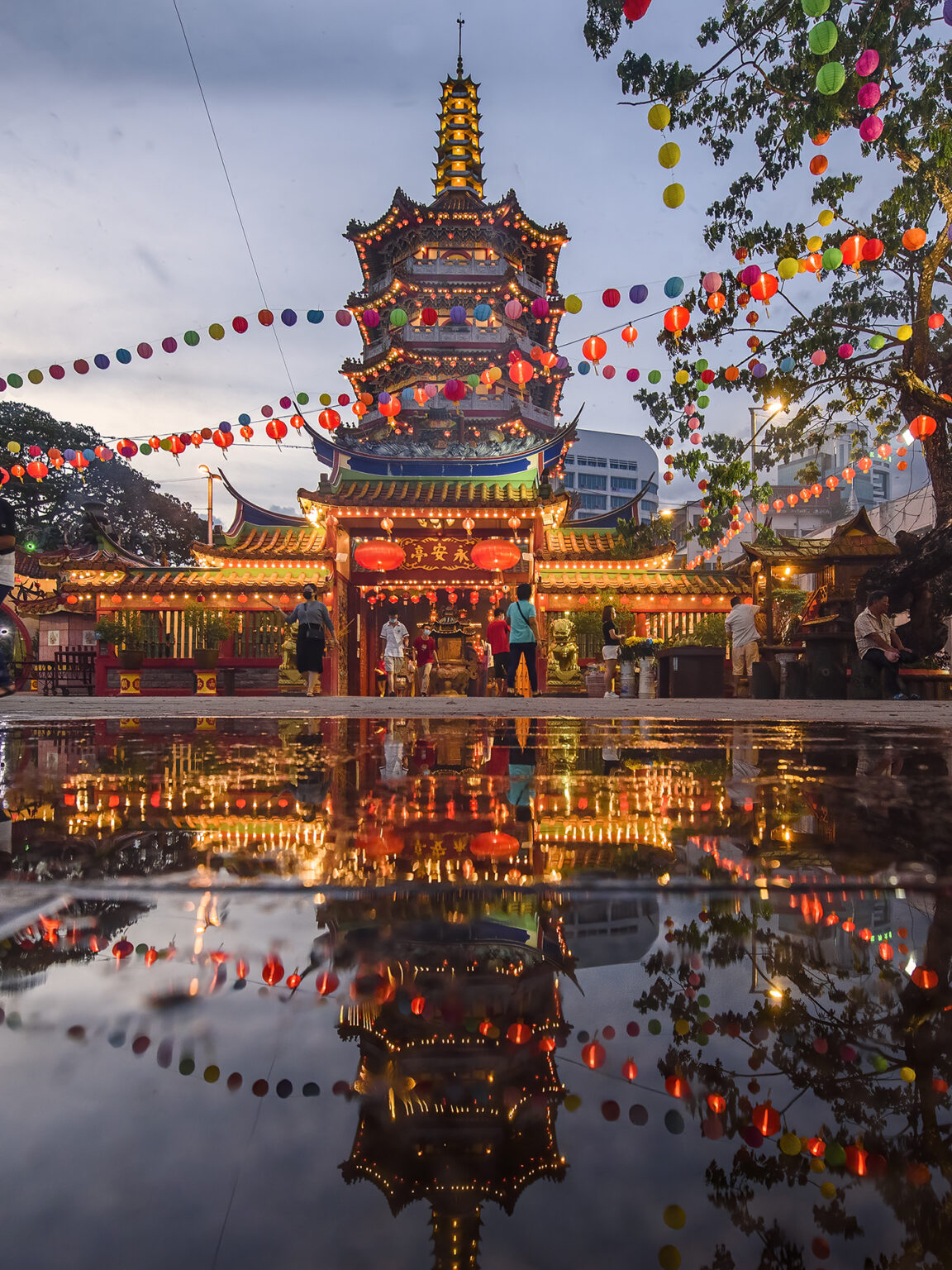
Eng Ann Teng Tua Pek Kong, a Taoist pagoda temple in Sibu | Sarawak Tourism
Make it happen
Thanks to Kuching International Airport, which offers direct flights to major hubs including Singapore, Jakarta and Kuala Lumpur, it’s easy to reach Sarawak with a connecting flight from anywhere in the world. You can also get a direct bus from Pontianak in Indonesia, as well as via the land borders with Brunei.
Visitors from more than 60 countries, including the UK, EU nations, Canada, Australia and New Zealand, do not need a visa to visit Sarawak, instead receiving a 90-day visa-free entry for tourism on arrival.
If you’re intrigued by Sarawak, click below to start exploring the extraordinary rainforest ecosystems, remarkable geology and vivid culture of Malaysian Borneo.