


Travel in the USA is not just about great landscapes or landmarks; it’s about the people who bring them to life. Shaped by wave upon wave of immigration, the USA carries rich layers of culture, best experienced through chef-led cooking classes, artists’ workshops, guided city tours and local festivals. Its backcountry is epic too, and there’s no better way to explore than with local experts who know the mountains, forests and waterways intimately. Here we reveal 52 experiences that connect travellers with locals and uncover the heart of America: diverse, resilient and endlessly surprising.
Words and interviews by Jacqui Agate


California
Embrace art and activism in San Diego’s Barrio Logan
Embrace art and activism in San Diego’s Barrio Logan San Diego’s centre sits barely 30km from the Mexican border, and that cultural influence is palpable across the city, especially in Barrio Logan, its oldest Mexican-American neighbourhood. This area was devastated in the 1960s, when the I-5 freeway and Coronado Bridge were built through its heart, displacing thousands. But the community rallied and lobbied to have the land beneath the bridge designated as a public park. Now, Chicano Park is bright with eye-catching murals (the largest collection of its kind in the US; pictured) and a museum that retells its story. You can also connect with locals in the businesses that line Logan Avenue, the Barrio’s main street. Visit Por Vida for coffee and a pan dulce (sweet bread), drop by El Carrito Restaurant for chilaquiles and tacos, and go to studio and boutique Sew Loka for Chicano-designed fashion. sewloka.com

Rodríguez-Biezunski,
Fashion designer and owner of Sew Loka
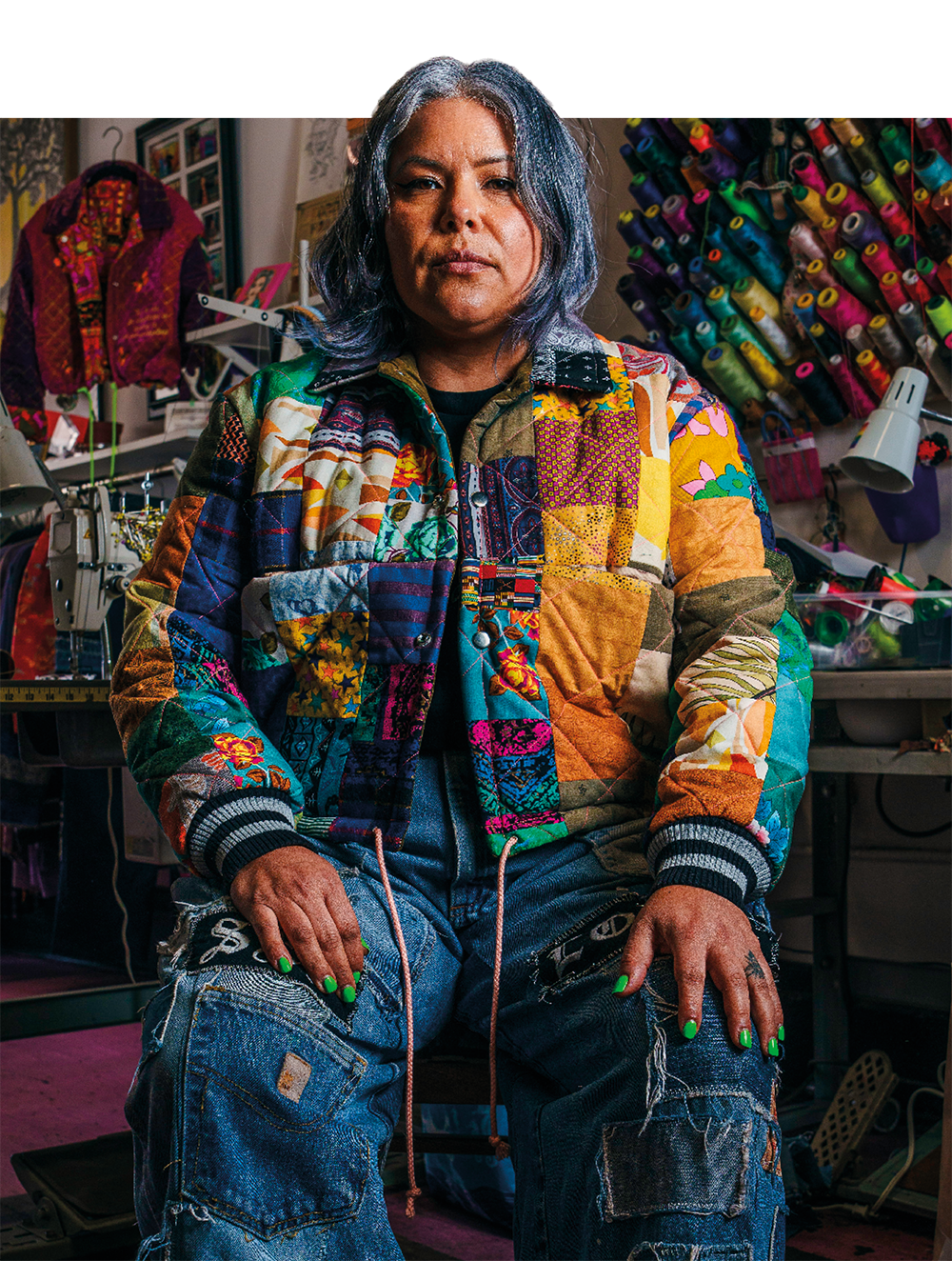
“Barrio Logan is a powerful symbol of Chicano activism and creative expression. This neighbourhood was literally split in half… but instead of disappearing, the community fought back and transformed their trauma into art. The history here isn’t just important; it’s revolutionary. Those murals aren’t just paintings; they’re history books painted on concrete pillars, telling stories of Indigenous roots, labour struggles and social-justice movements. Every time I walk past them, I’m reminded that I’m part of something bigger than myself. Barrio Logan is a neighbourhood where underground street artists thrive and where lowriders cruise Logan Avenue on the daily, passing independent art galleries, small businesses and some of the best Chicano comfort food in all of San Diego. On the weekends, you’ll find families gathering for carne asada in Chicano Park. This isn’t a manufactured cultural district; it’s a real community, where three generations might live on the same block, and where young artists and entrepreneurs are writing the next chapter while honouring what came before… The soul of a place like this takes generations to build and only a moment of neglect to lose forever.”
Puerto Rico
Dive into the history of Ponce on a walking tour
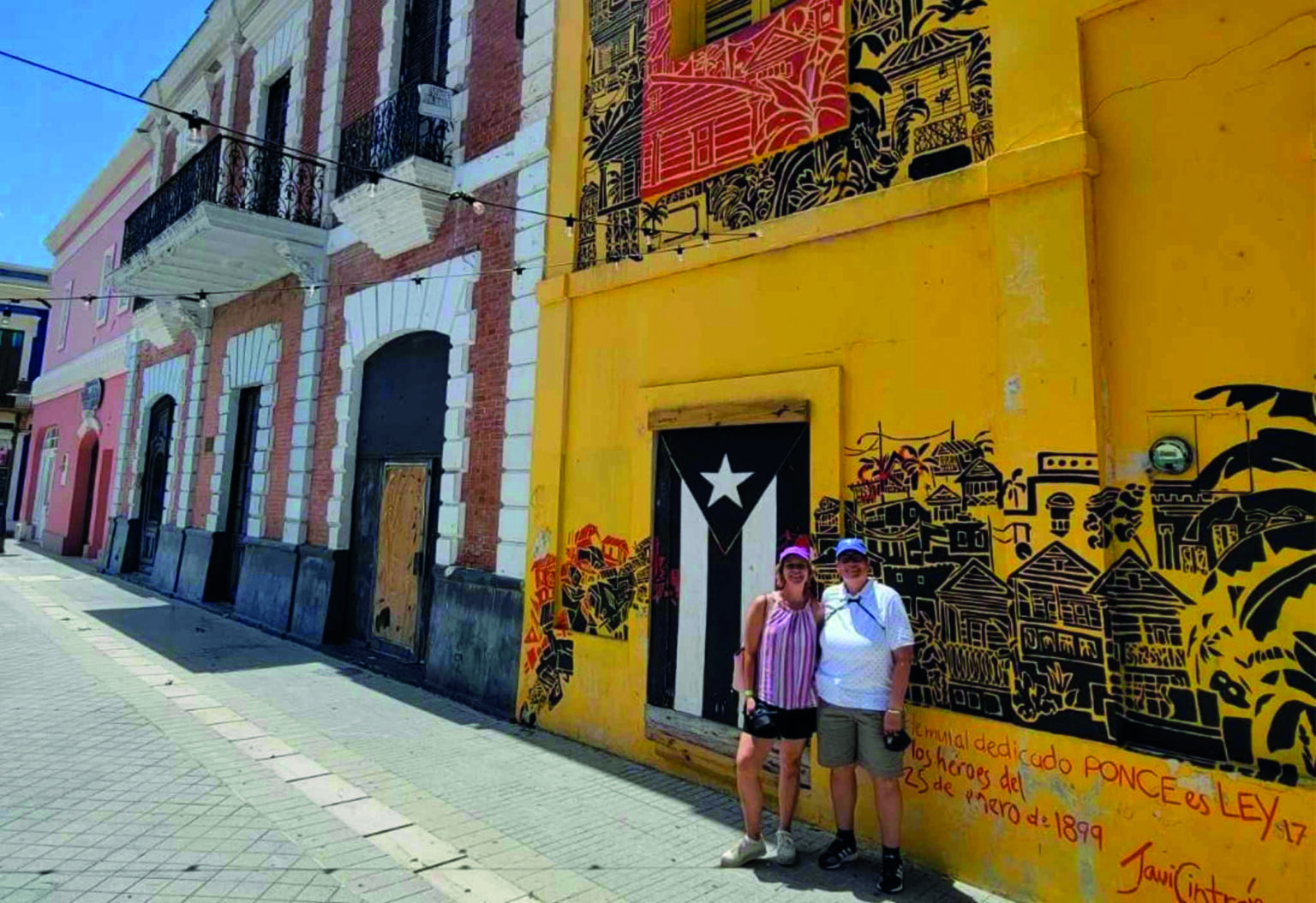
While San Juan is justly celebrated for its rich food, music and architectural heritage – shaped by African, Spanish and Indigenous Taíno influences – Ponce, nicknamed the ‘Pearl of the South’, often flies under the radar. Yet this history-steeped city is well worth the detour, and an outing with Isla Caribe will bring its streets to life (pictured). Founded in the wake of Hurricane Maria, the tour company is led by passionate local guide Melina Aguilar Colón, who whisks visitors to Ponce’s standout sights, from the striking red-and-black Parque de Bombas – a former fire station turned museum – to Plaza las Delicias, the lively heart of the city. islacaribetours.com

Pennsylvania
Try your hand at glass blowing in Pittsburgh
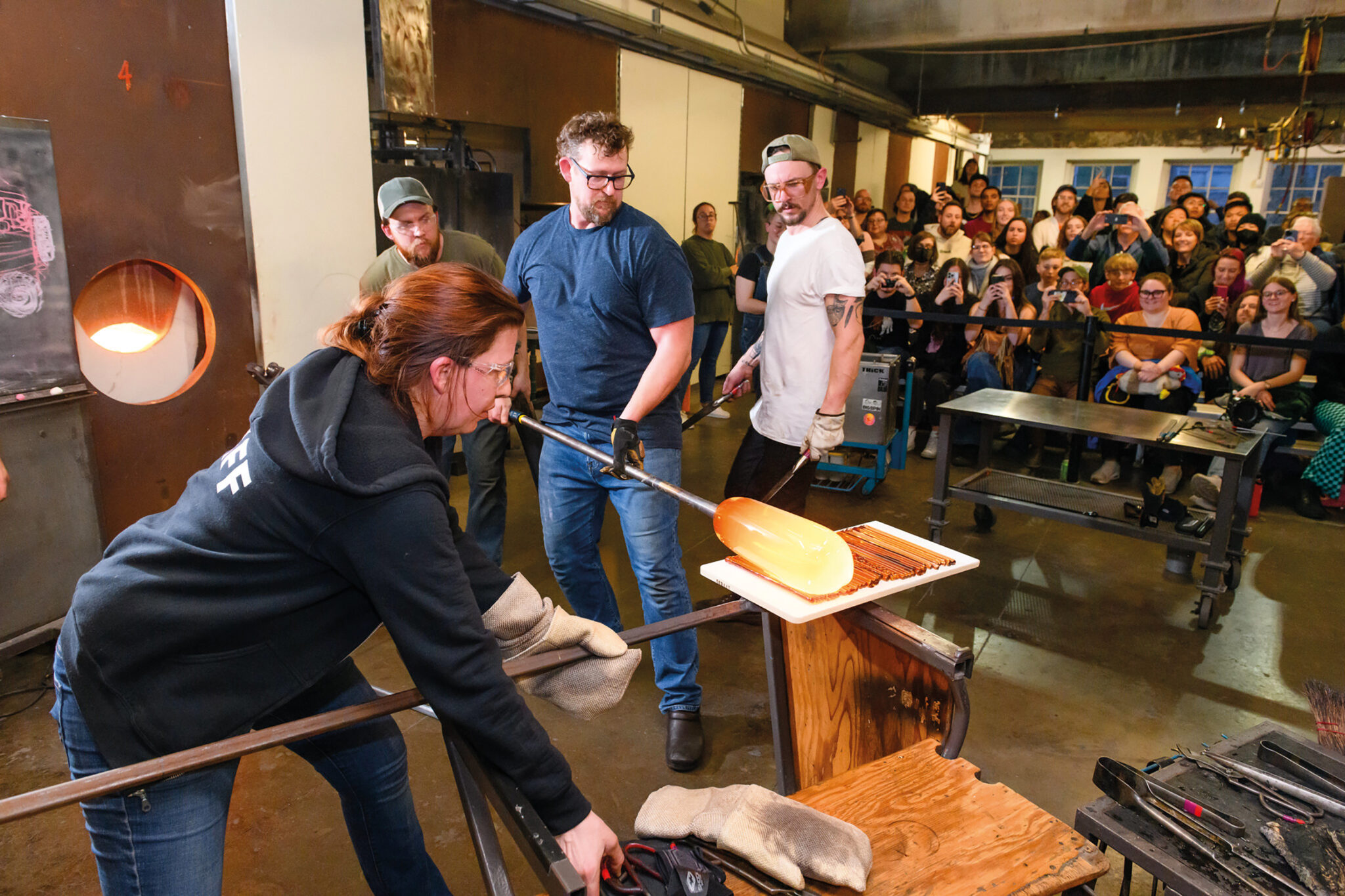
Pittsburgh richly deserves its ‘Steel City’ nickname. For nearly a century, it was one of the world’s great centres of steel production. However, fewer people know that this city was also a glass-making powerhouse. This industry began as early as the 18th century, earning Pennsylvania its ‘Glass City’ moniker long before any steel was forged. Fast-forward and the modern Pittsburgh Glass Center honours this heritage with exhibitions, live glass-blowing demos and workshops (pictured). You can even learn how to create your own glass trinkets under the gaze of a master glassblower. pittsburghglasscenter.org
Michigan
Explore Eastern Market with RiDetroit
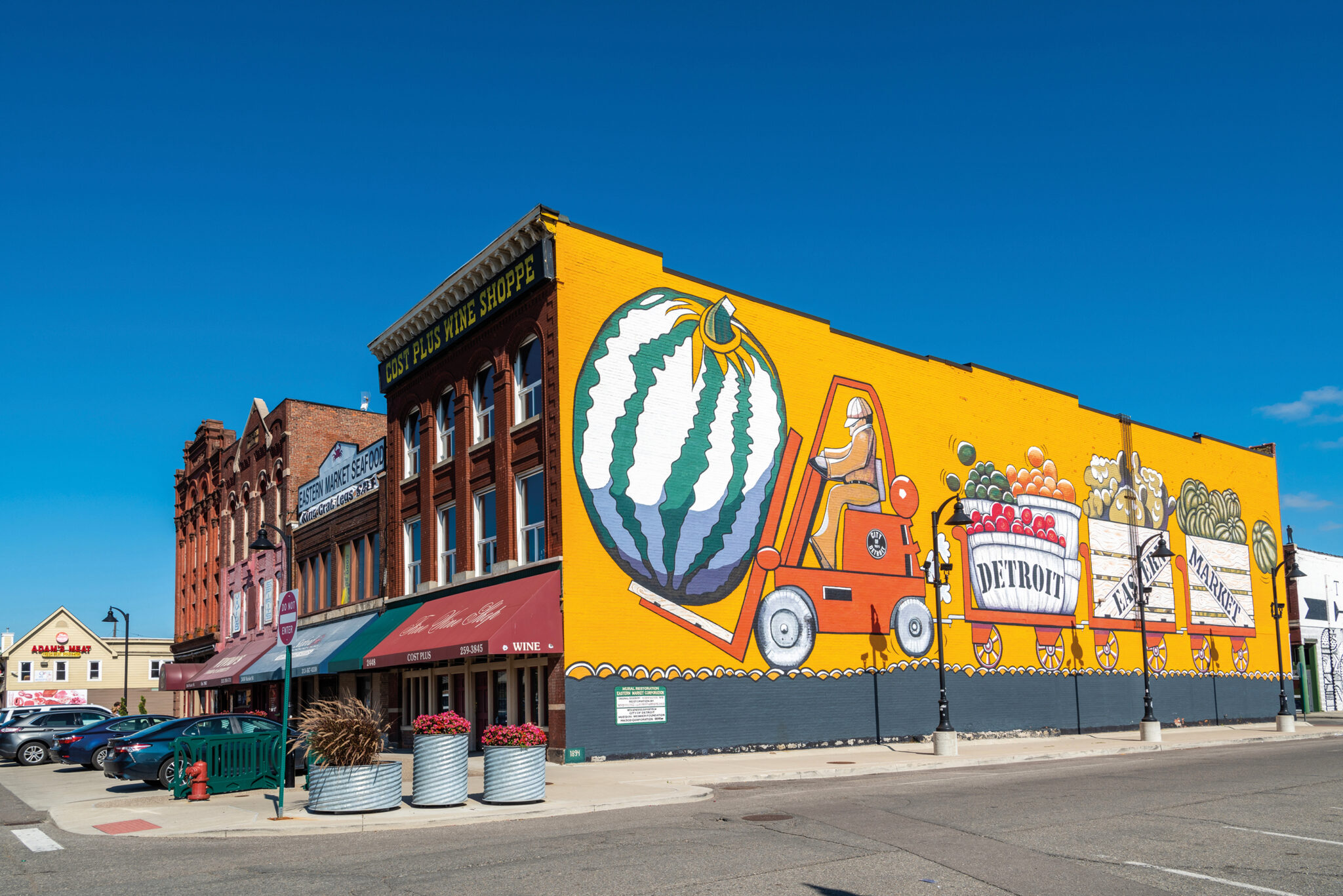
Native Detroiter Jason Hall was the brains behind Slow Roll, a community bike ride that became a fixture of Motor City’s calendar. Now Hall has turned his hand to e-bike tours, and they’re proving just as popular. Led by Hall himself, the tours explore classic Detroit neighbourhoods such as Eastern Market, a creative district known for its murals (pictured) and sprawling local market. There’s also a Detroit Development tour, dedicated to showing visitors and locals alike how Motor City is rapidly evolving. Whichever route you choose, it’s a chance to experience Detroit with someone who lives and breathes the city. ridetroit.com

Oklahoma
Discover Tulsa’s music history in the Pearl District
Tulsa gave birth to the ‘Tulsa Sound’ in the 1960s and ’70s. It’s a genre with roots in rock, country, R&B and the blues, pioneered by artists like Leon Russell. Back then, the centre of this scene was The Church Studio (pictured), a recording studio run by Russell and converted from an early 20th-century church. Everyone from Willie Nelson to Tom Petty made the trip to record here, securing Tulsa’s place in musical history. The venue (which closed in the ’70s) was reopened in 2022. Now it’s once again a working studio, as well as a museum and cocktail lounge, where you can often share the bar with locals and musicians alike. thechurchstudio.com
Maryland
Take Baltimore’s Pennsylvania Avenue Heritage Trail Tour
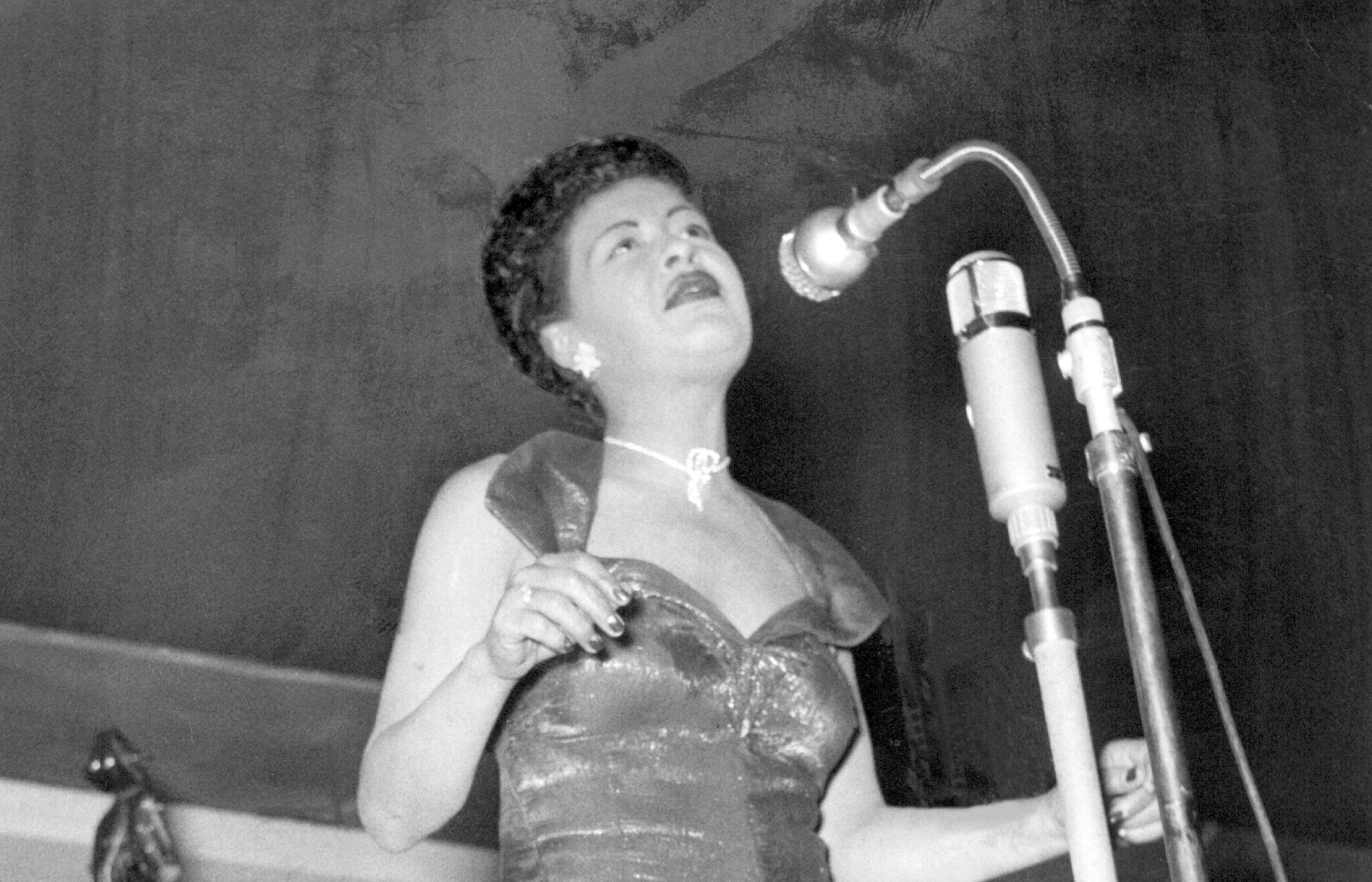
Baltimore’s jazz scene is too often overlooked. Centred on Pennsylvania Avenue, this street and the surrounding district were a cradle of Black culture, with its clubs drawing names like Duke Ellington and Billie Holiday (pictured). It was also a key fixture on the Chitlin’ Circuit – venues that welcomed African American artists. Today, that heritage is honoured with the area’s designation as a Black Arts and Entertainment District. Guided tours with locals lead visitors through historic sites, from the Arch Social Club – a music venue with deep Civil Rights ties – to The Avenue Bakery, known for its rib-sticking bread rolls. explorebaltimore.org
Massachusetts
Explore Boston’s diversity through locally led tours of its neighbourhoods
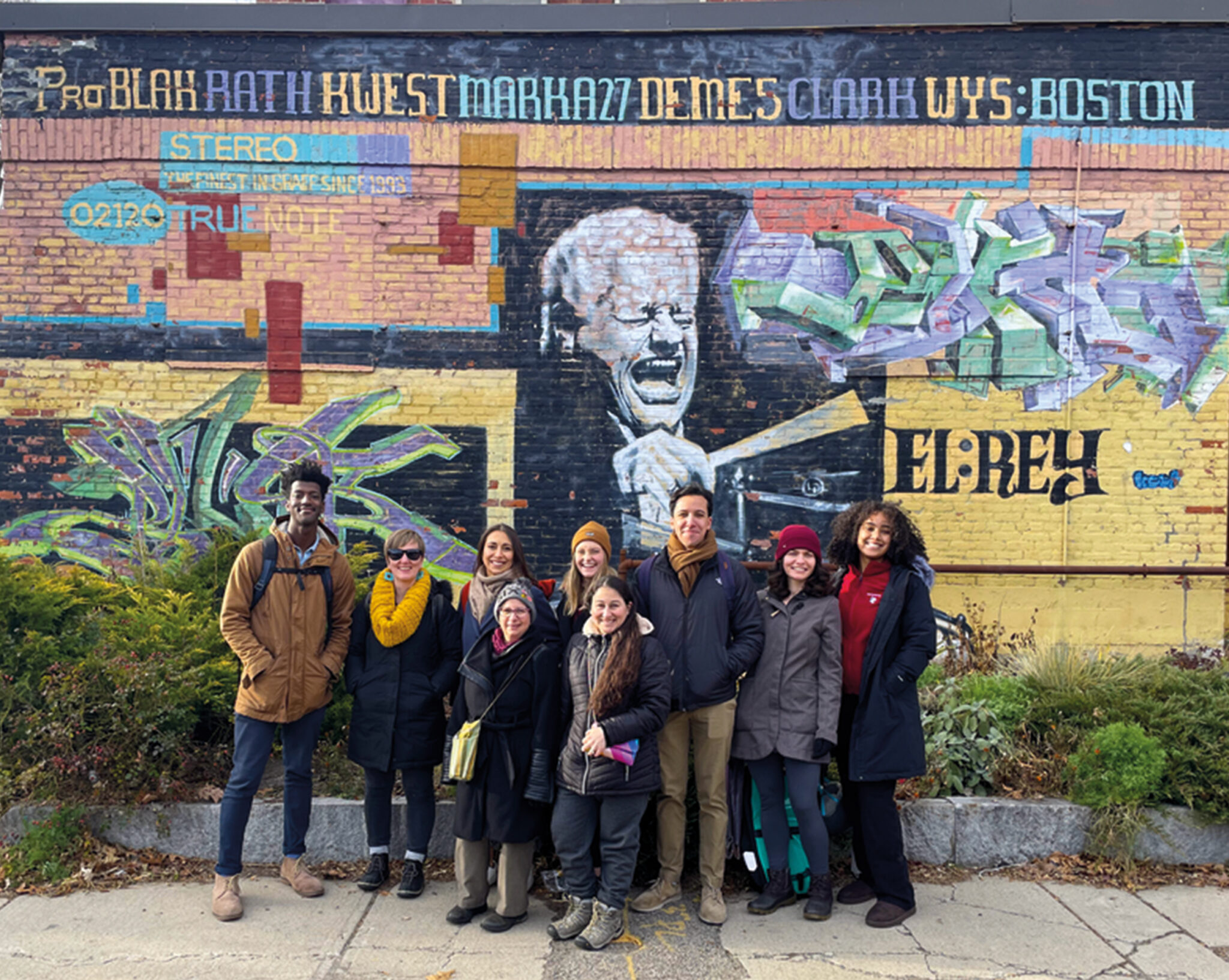
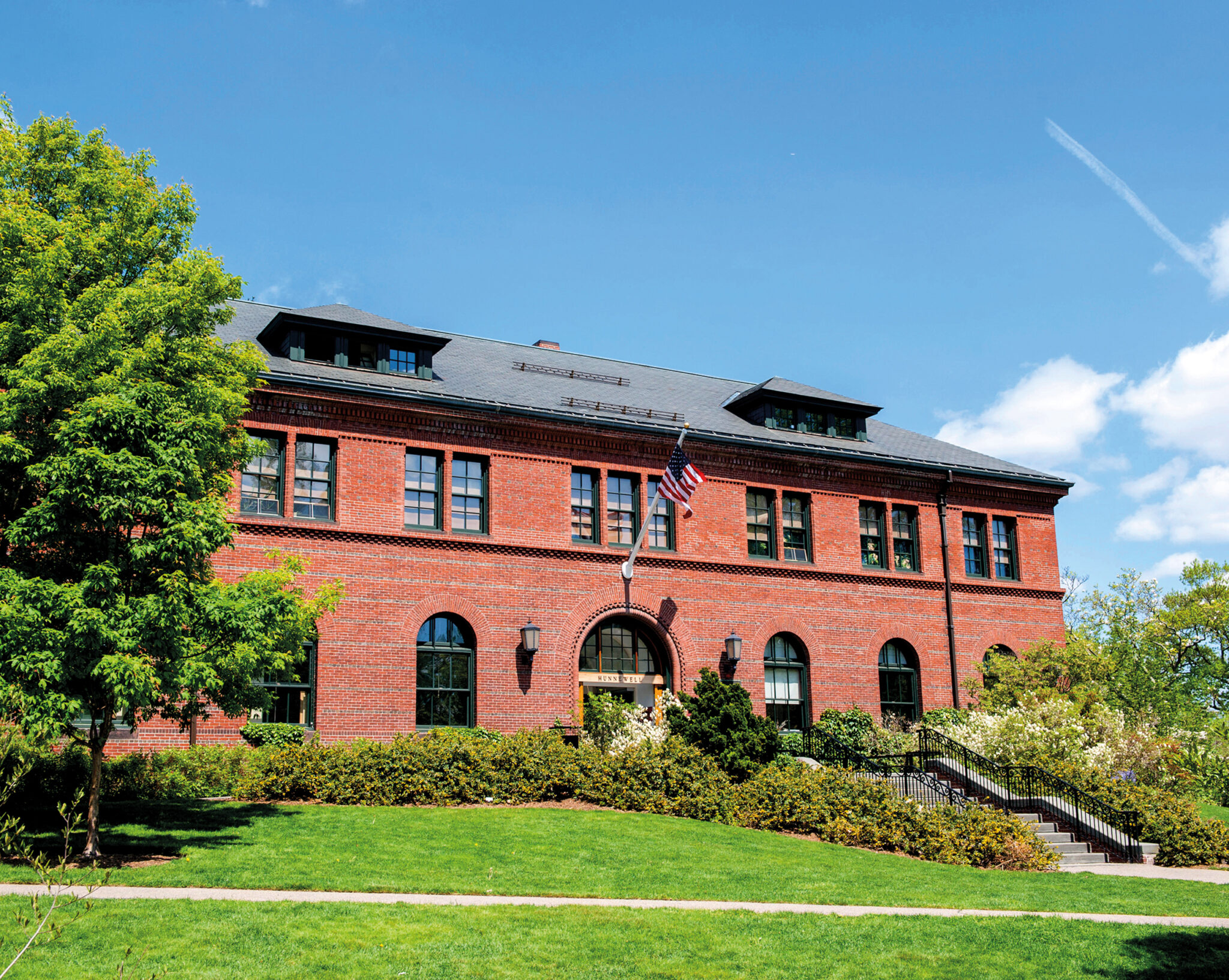
Focused on ‘neighbourhoods of colour’, these locally led tours (pictured below) delve into Boston’s unsung districts. They’re the vision of Bostonian Colin Knight, whose lively commentary brings to life areas such as Roxbury, long celebrated as a hub of Black culture. Along the way, you might feast on cachupa – a slow-cooked stew traditional to Cape Verde – and explore hotspots such as Nubian Square, the buzzing heart of Roxbury. Other tours explore Jamaica Plain, a leafy district with Latin American roots and green spaces, including Jamaica Pond and the Arnold Arboretum (pictured top). The latter two are part of Boston’s Emerald Necklace park network, designed by revered landscape architect Frederick Law Olmsted. livelikealocaltoursboston.com
New York
Join an LGBTQ+ tour of New York City
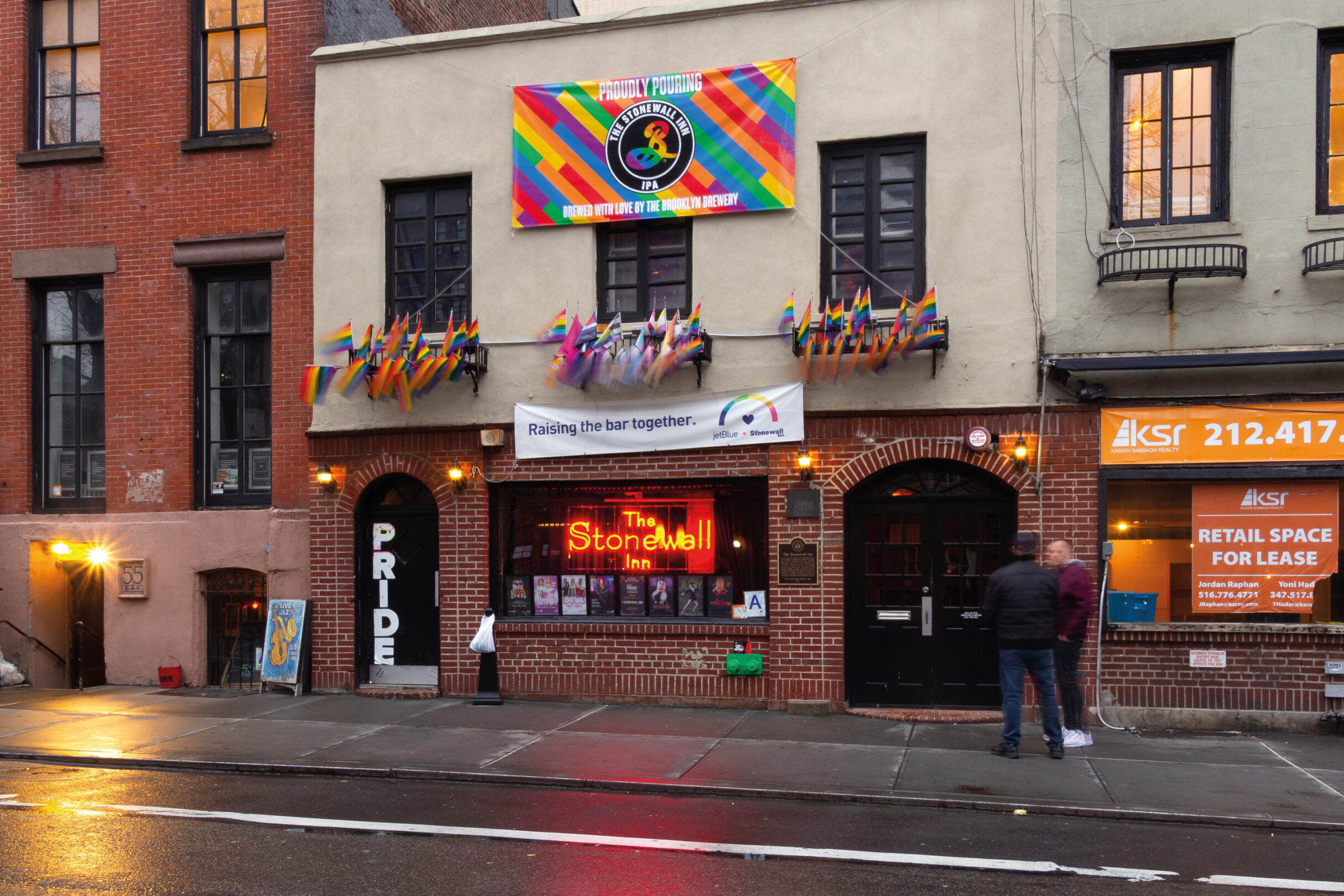
New York City has long been central to the LGBTQ+ rights movement, and arguably no event was more pivotal than the Stonewall Uprising of June 1969. The Stonewall Inn (pictured) – a beloved gay bar on Manhattan’s Christopher Street – was routinely raided by police. But on this night, patrons fought back, clashing with officers. The protests that followed are widely regarded as the spark for the modern LGBTQ+ rights movement. One year later, the city hosted the first Pride March, then known as Christopher Street Liberation Day. Today, the Stonewall Inn is a National Monument, complete with a new visitor centre that opened in 2024. This story and more are also covered on Christopher Street Tours, led by local LGBTQ+ community members. christopherstreettours.com
Michael Venturiello, Founder and owner of Christopher Street Tours

“Christopher Street Tours is my life’s work. The main message of our tours is that we all have the potential to create positive social change and play an active role in shaping LGBTQ+ history today. Knowledge of LGBTQ+ history provides a toolkit on how to move forward and be an advocate in your community.
Our tour moves chronologically, covering pre-Stonewall activism, the Stonewall Riots, Gay Liberation, AIDS activism and present-day advocacy. Key stops include the Stonewall Inn as well as the LGBT Community Center in Manhattan, which exists as a resource for thousands of LGBTQ+ community members. Christopher Street Tours began not only as a way to share LGBTQ+ history but also to uplift the voices of those who paved the way before us. As a young queer person, I felt like it was my duty to previous generations to continue their story and their legacy. New York City is such a unique place for LGBTQ+ history – ours shaped history around the country and the globe. That history is life-changing and life-saving. My hope is that these tours provide not only a historical education, but a personal sense of purpose and power.”
Arizona
Learn about Arizona’s borderlands with the Tucson Origins Tour
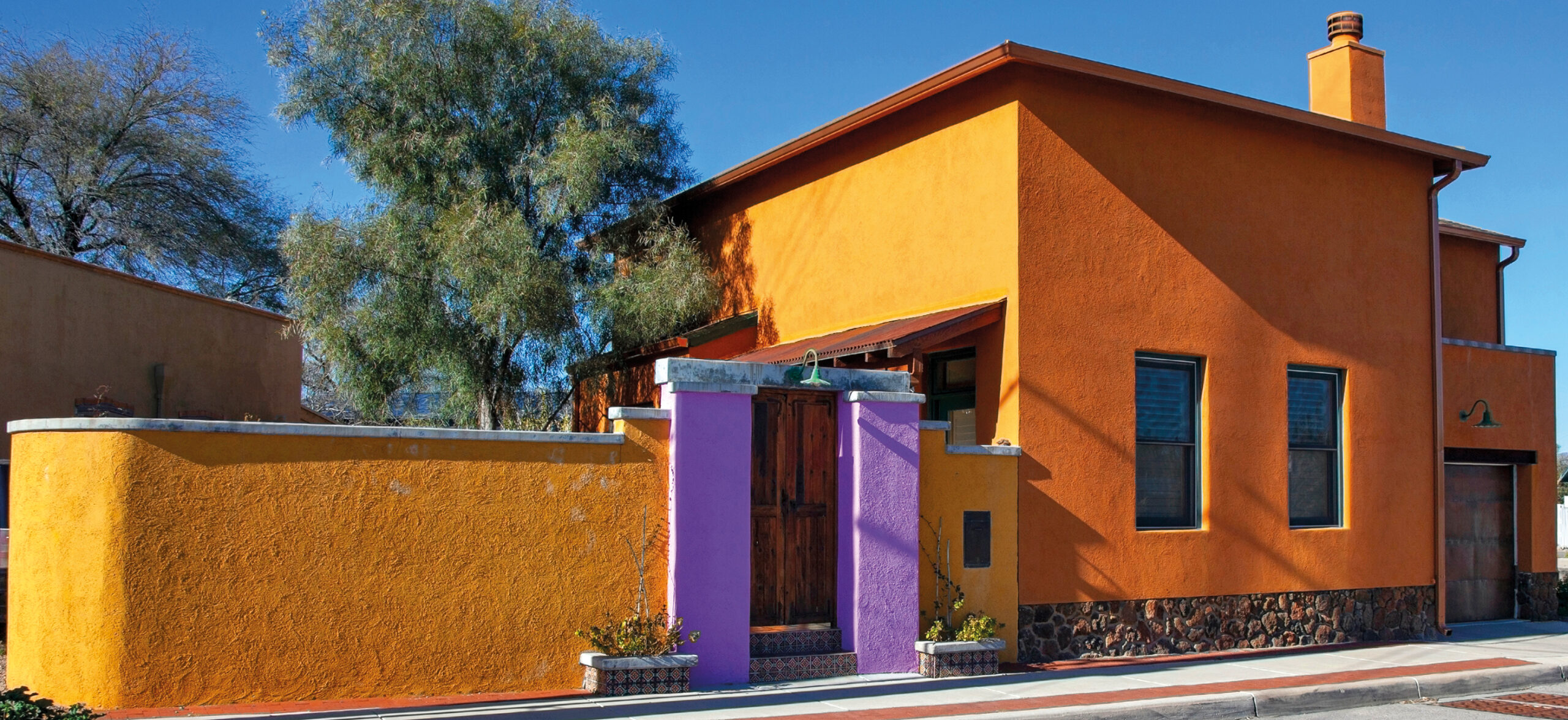
Tucson is Arizona’s southernmost major city, and this tour explores the cultures that shape it. Led by a Tucsonan guide, you’ll delve into neighbourhoods including the El Presidio Historic District, where the city was established 250 years ago as a Spanish military fort. You’ll also visit Barrio Viejo, a stronghold of Mexican culture, known for its Sonoran rowhouses (pictured) – and poised to become a National Historic Landmark. And you’ll learn about its waves of settlement, from the Native O’odham, Yaqui and Apache peoples to Spanish colonisation and when Tucson was part of an independent Mexico. borderlandia.org/tours
Tennessee
Tour Memphis with Beale Street musicians
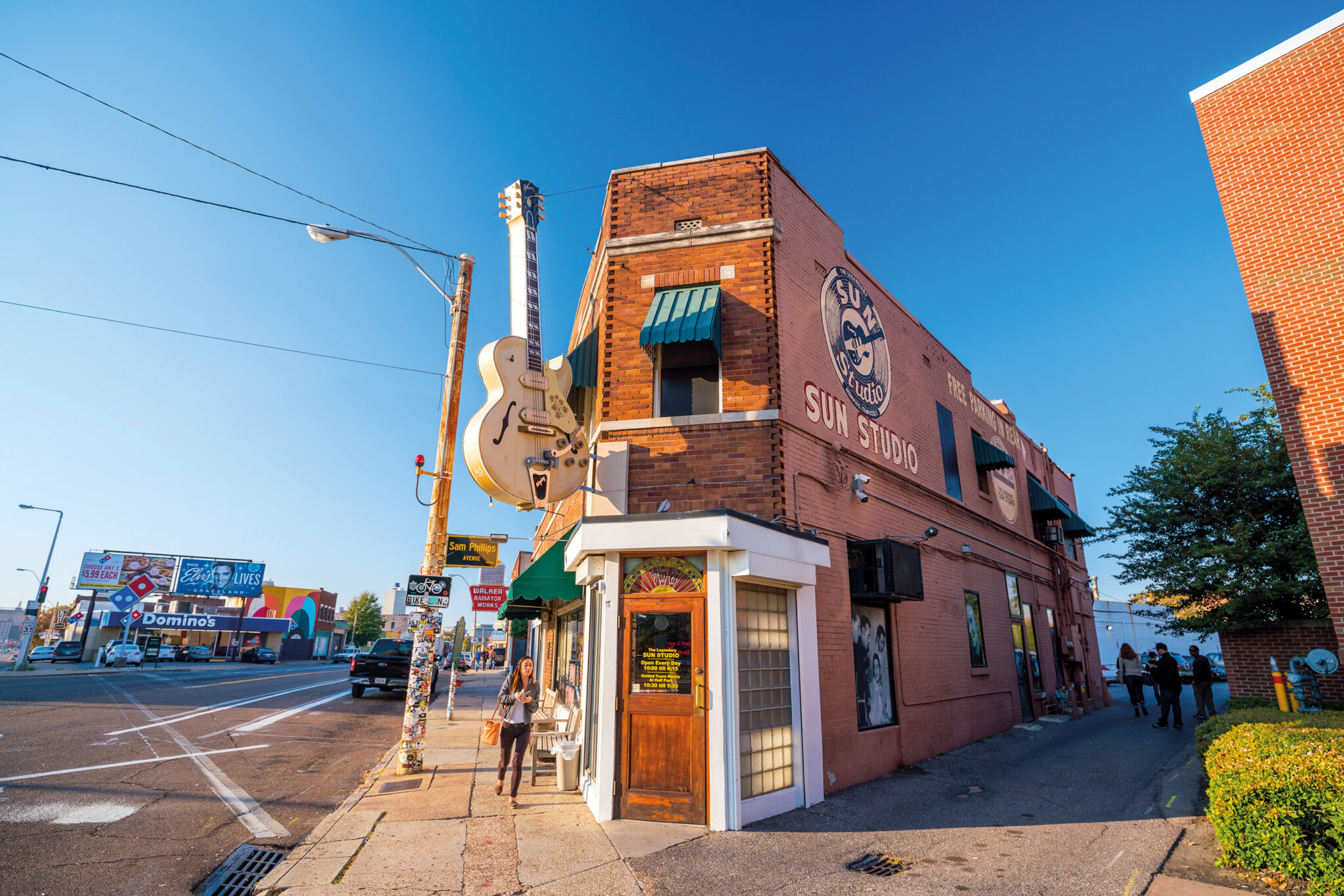
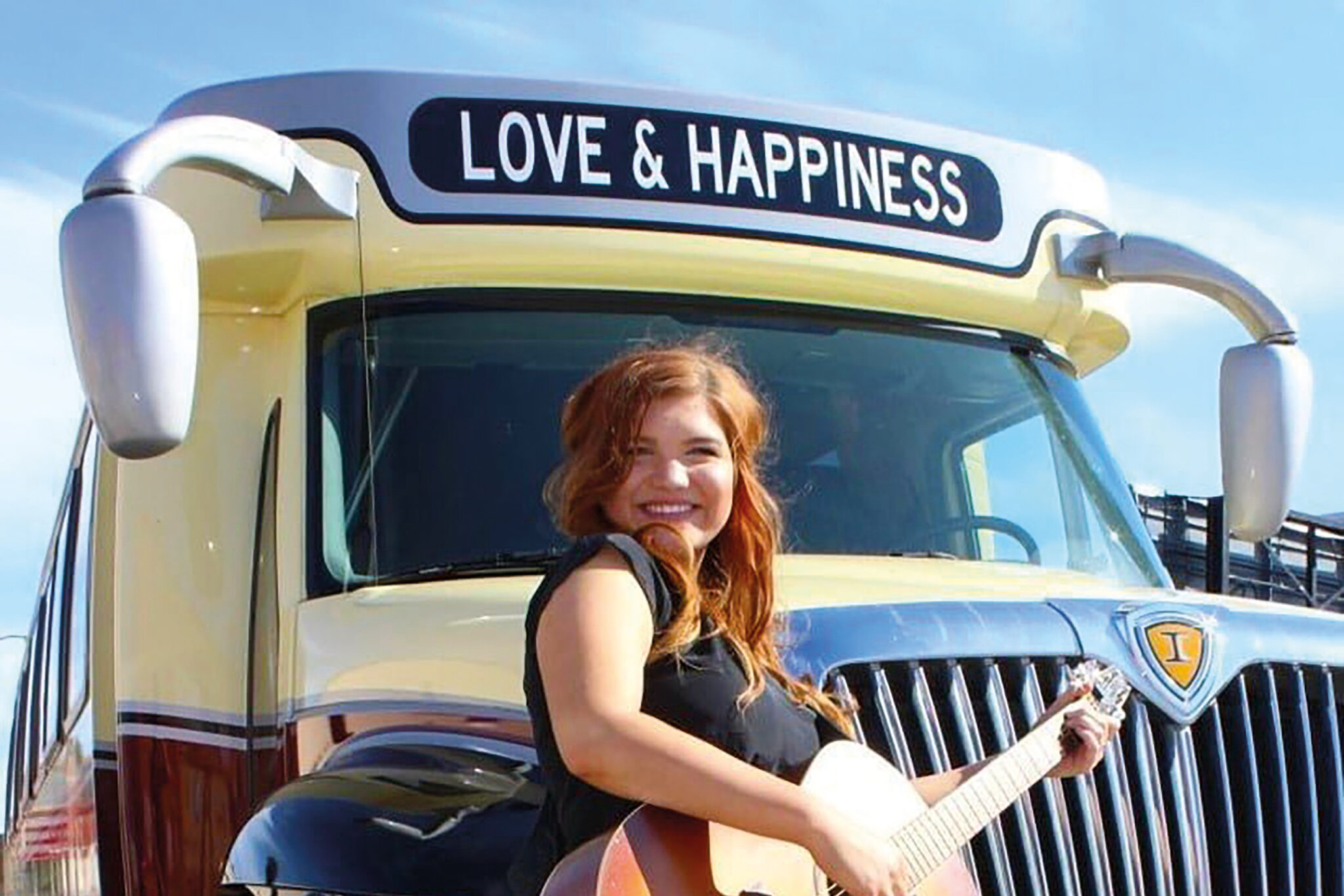
Memphis is hailed as the ‘Home of the Blues’, so who better to lead the way through this music-steeped city than its local musicians? That’s exactly what will happen on the Memphis Mojo Tour with Backbeat Tours. One of the city’s talented Beale Street performers will double as your guide for the day, taking you to Memphis’ musical hotspots, such as the Stax Museum of American Soul Music and Sun Studio (pictured below) – where ‘King of Rock ’n’ Roll’ Elvis Presley was famously discovered. The tour bus even doubles as a concert venue: the guiding artists serenade visitors in between sharing nuggets of Memphis history. backbeattours.com
Alaska
Attend the Festival of Native Arts in Fairbanks
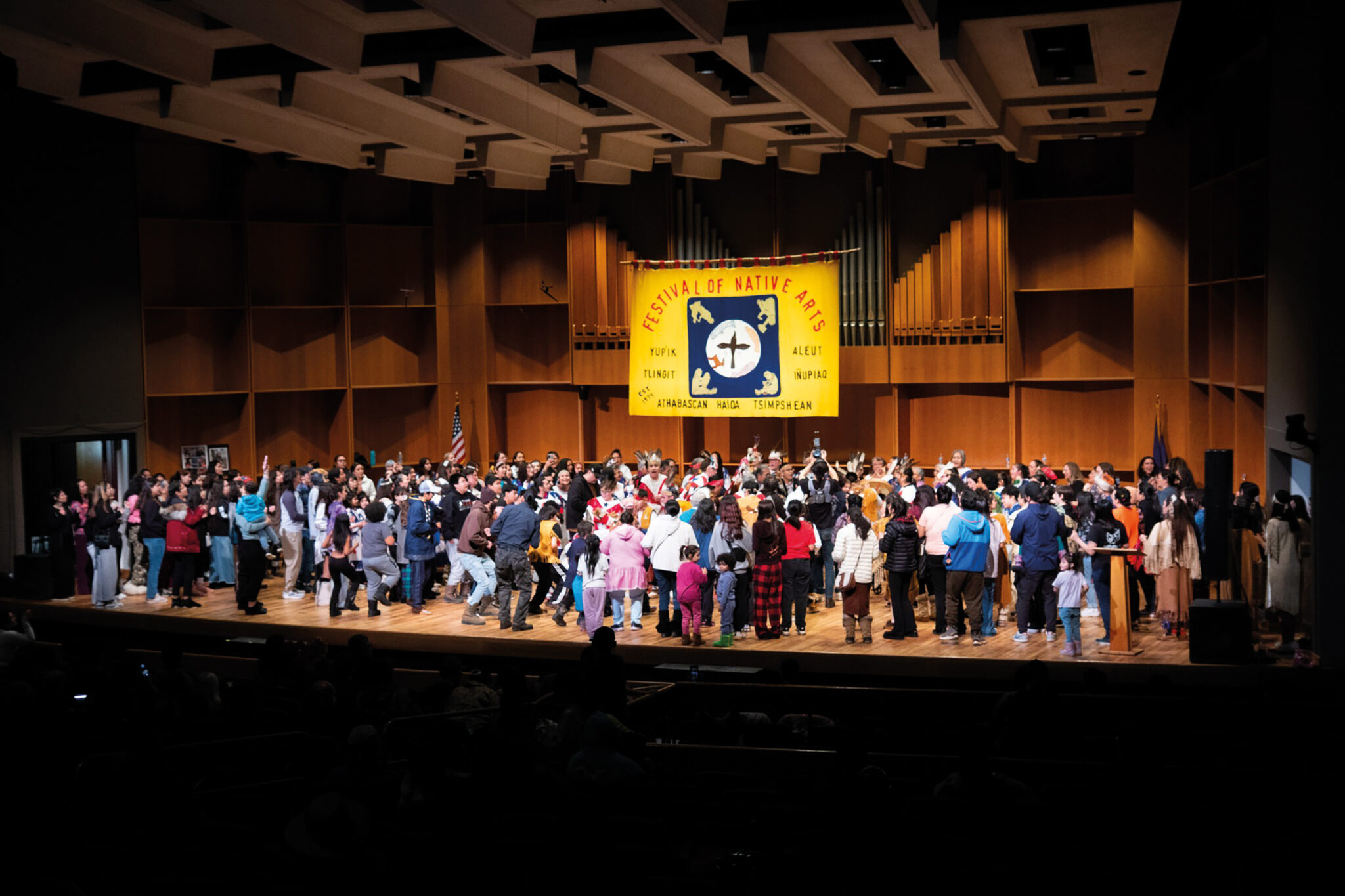
Many of Alaska’s cities are shaped by deep Indigenous heritage, and Fairbanks – one of the Last Frontier’s largest northern hubs – is no exception. Every year, that heritage is celebrated at the Festival of Native Arts (pictured), held at the University of Alaska Fairbanks in late winter. Tables brim with beadwork, hand-sewn moccasins and intricate jewellery, all crafted by Alaska’s diverse Indigenous peoples, from the Iñupiat and Athabaskan to the Tlingit. Visitors can also take in dances, see fiddle performances and hear traditional drumming, while hands-on workshops invite them to learn Native languages or prepare dishes such as akutaq, a traditional dessert. uaf.edu/festival
Washington DC
Learn about the women of DC’s Black Broadway
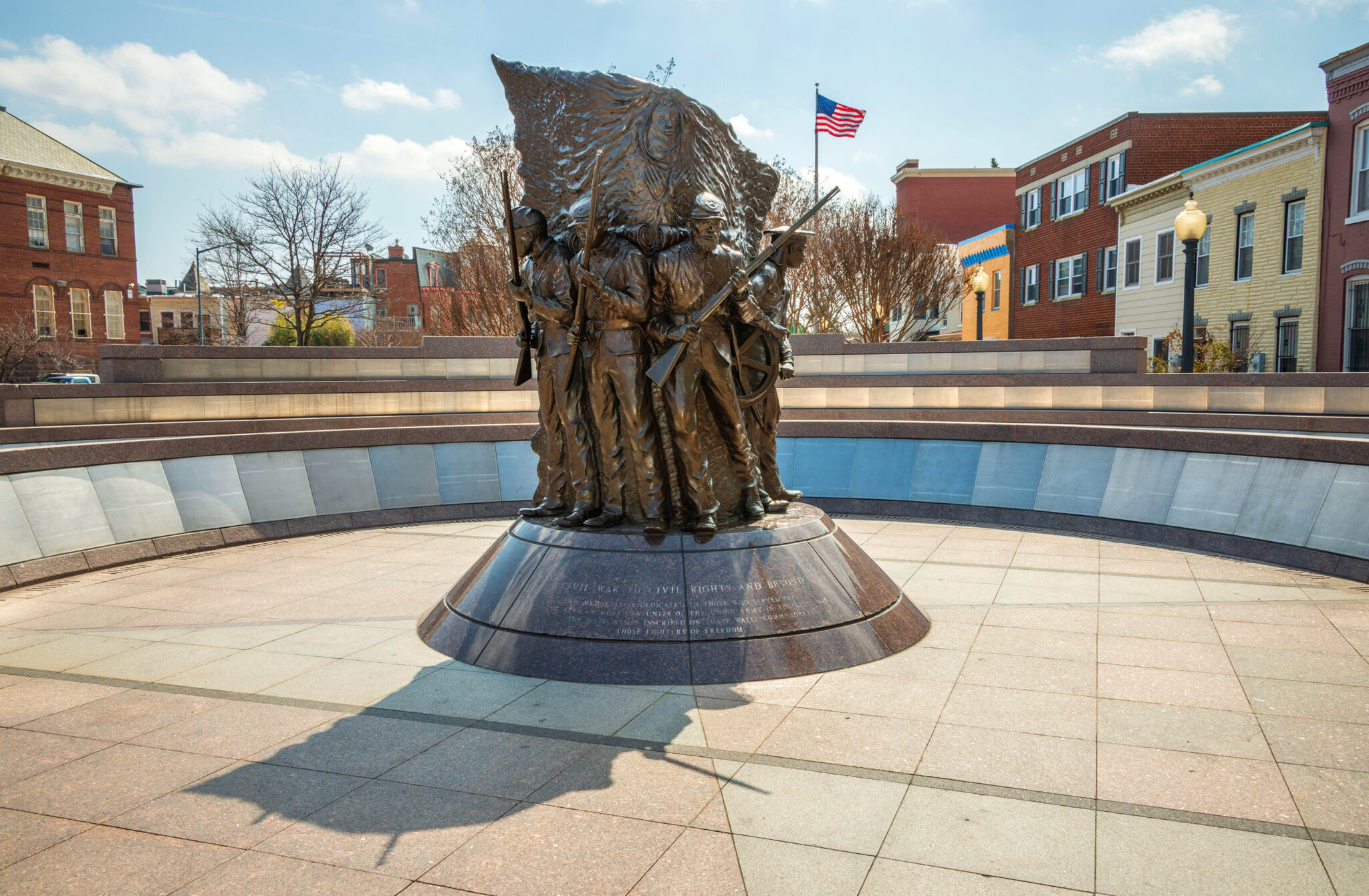
New York City’s Broadway might hog the spotlight, but Washington DC’s Black Broadway is worth singing about too. The nickname belongs to U Street, once the beating heart of the city’s jazz scene, where iconic venues like the Howard Theatre welcomed legends such as
Louis Armstrong and Ella Fitzgerald. Today, DC-based author and guide Briana A Thomas is keeping that history alive. On her two-hour walking tour, she brings the area’s story into focus by visiting cultural venues, street art and landmarks such as the African American Civil War Memorial and Museum (pictured). blackbroadwaytravel.com
Indiana
Dive into Indianapolis’ underrated arts scene
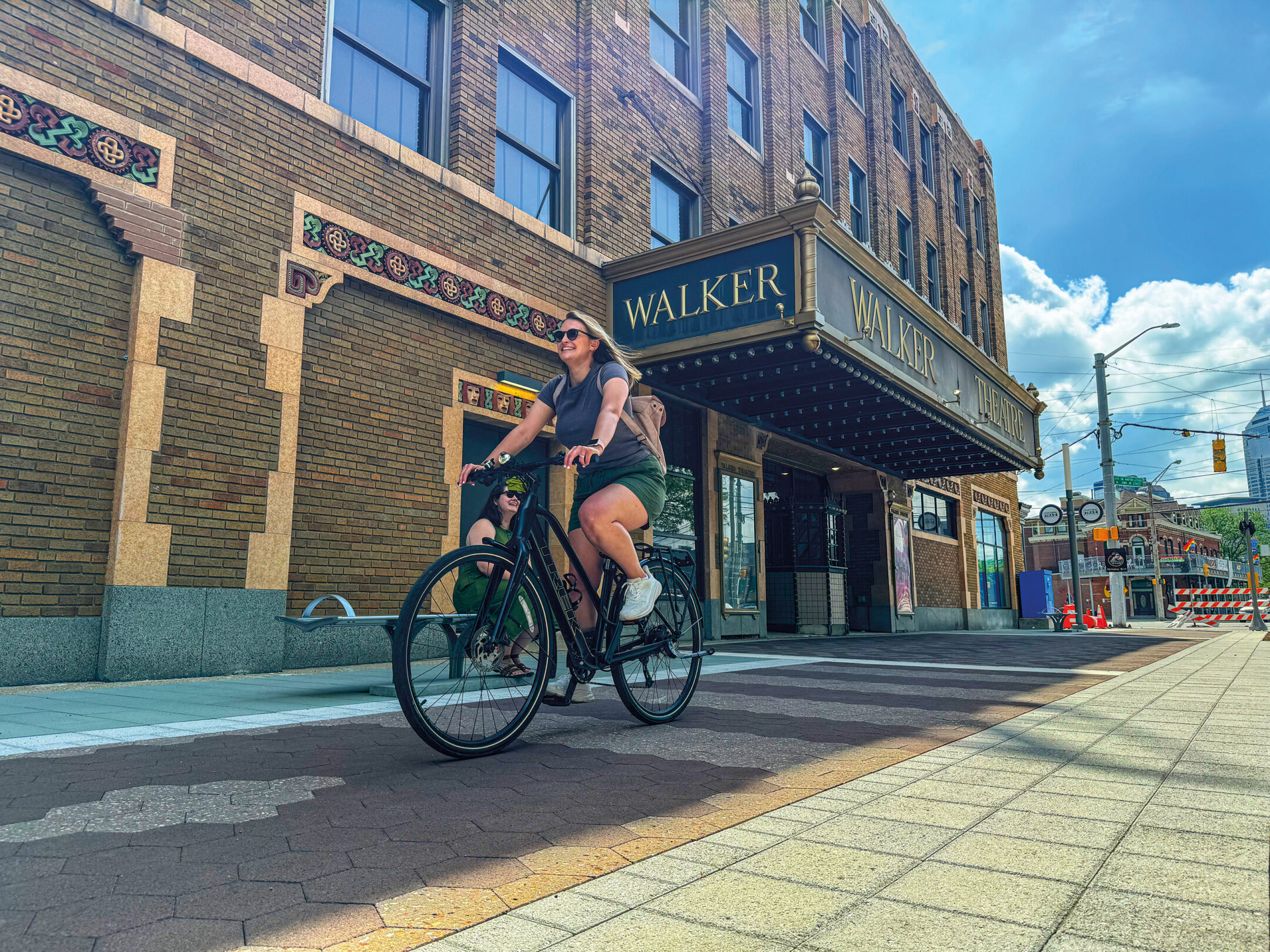
Indy’s art scene may fly under the radar, but it’s buoyed by world-class museums – the Indianapolis Museum of Art at Newfields is among the largest in the USA – striking public artworks and a 13km Cultural Trail that links the city’s artsy districts together. The best way to get to grips with Indianapolis’ creative side is to join a locally guided tour (pictured). Indy Cultural Trail Tours lead walking and cycling trips that whisk you past al fresco sculptures – from colourful abstractions to neon works – through studio-filled
neighbourhoods and to major museums. indyculturaltrail.org/tours
Arkansas
Meet the locals rescuing big cats around the USA
There are more tigers (pictured) in captivity in the USA than there are roaming wild across the globe – a shocking fact you will learn on a visit to Turpentine Creek Wildlife Refuge. This accredited sanctuary in Northwest Arkansas is dedicated to rescuing and providing lifelong care for big cats and other animals in need. Since its founding in 1992, Turpentine Creek has granted permanent sanctuary to more than 500 animals, and today it spans more than 100 large enclosures housing 120 rescued residents. Visitors can explore the refuge by meeting staff in the Discovery Area or joining tram tours that rattle through the grounds, offering glimpses of tigers, lions and other animals in their expansive habitats. turpentinecreek.org
Tanya Smith,
President and founder of Turpentine Creek
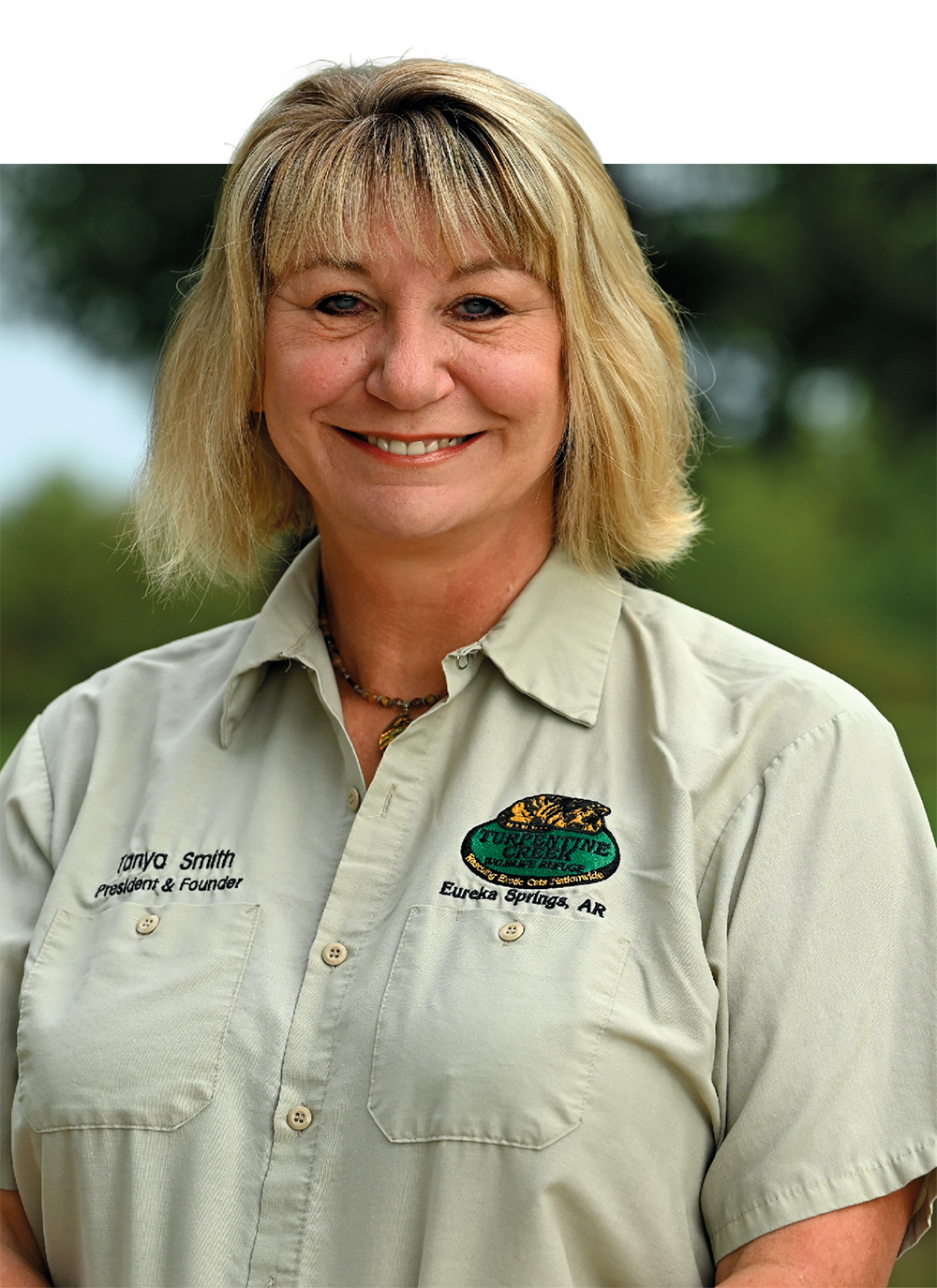
“My parents’ journey with big cats began in 1978, most unexpectedly. A family friend had accepted an African lion cub as payment for a debt. Knowing the cub needed a safe home, he turned to my parents. That was the first lion that we rescued.
Then, in late 1991, a woman reached out with a plea that would change our lives forever. She cared for 42 lions and tigers on a neighbour’s property, living in just three cattle trailers. She had fled Texas after being ordered out of the state, and the animals had nowhere to go.
Our family had vacationed in Eureka Springs for over a decade, drawn by its rolling hills and quiet beauty. During those visits, we became friends with the owner of a 460-acre [186-hectare] property. That land became the foundation of a lifelong mission: creating a true sanctuary for animals with nowhere else to turn. Without the refuge, most of them would have been euthanised. Instead, they live out their days with dignity and respect.
Our goal is to create a world where sanctuaries like ours are no longer needed. It has never been easy, but every challenge fades when I look into the eyes of the animals we’ve saved.”
Colorado
Explore Ute Mountain Tribal Park with Indigenous guides
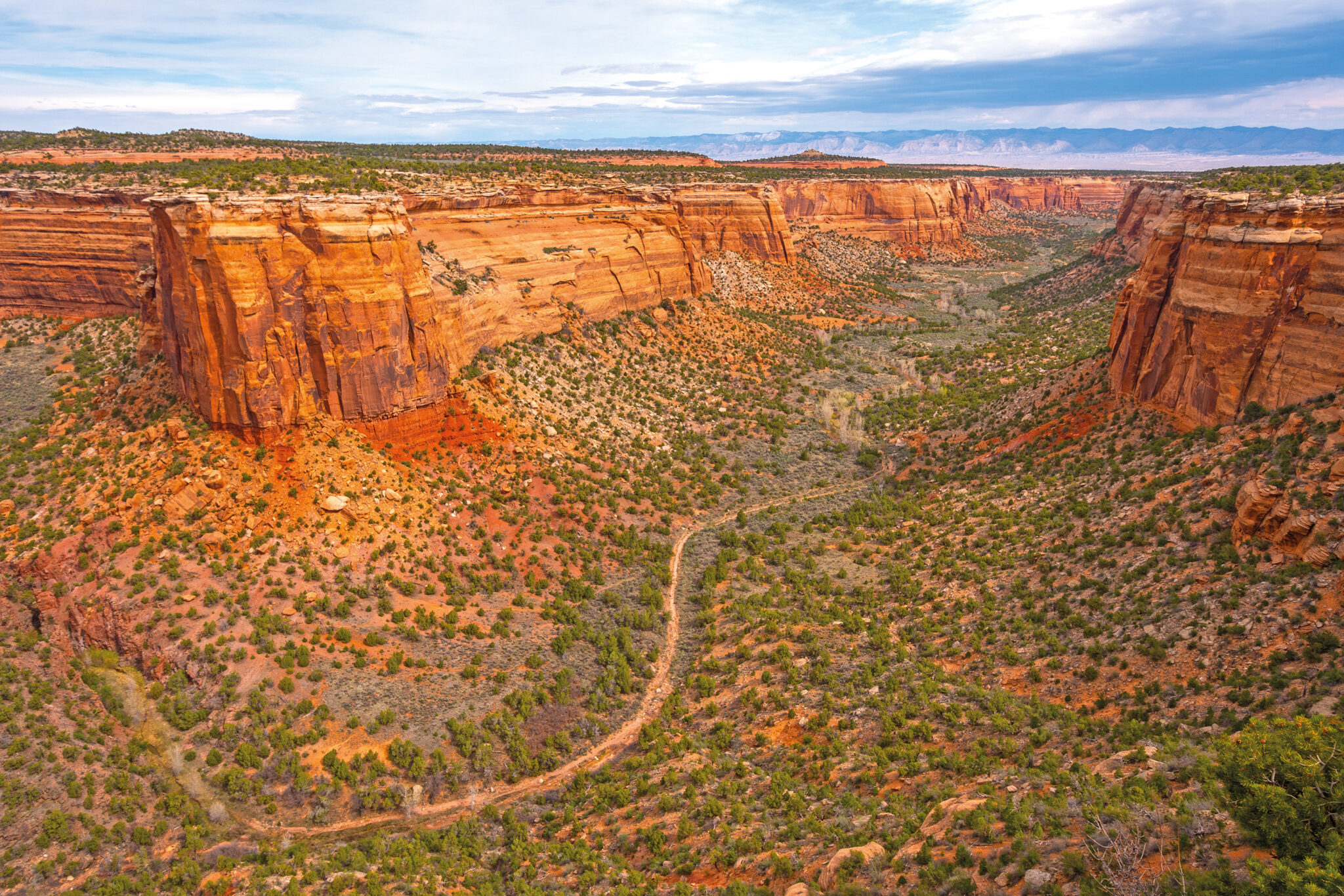
Stirring Western landscapes combine with a rich dose of cultural history on a guided tour of Ute Mountain Tribal Park in the Four Corners region. Beginning at the Tribal Park Visitor Centre, Indigenous Ute guides lead travellers into the heartlands of this 506 sq km site, which is all twisting canyons, rocky bluffs and juniper-stitched high desert. Human habitation of these lands (pictured) is said to date back 1,000 years, and hikes reveal intricate Ancestral Puebloan cliff dwellings and petroglyphs. Choose between a half-day tour, a more strenuous full-day trip or jaunts to remote sections. utemountaintribalpark.info
Maine
Kayak the Penobscot River with Skyline Maine Adventures
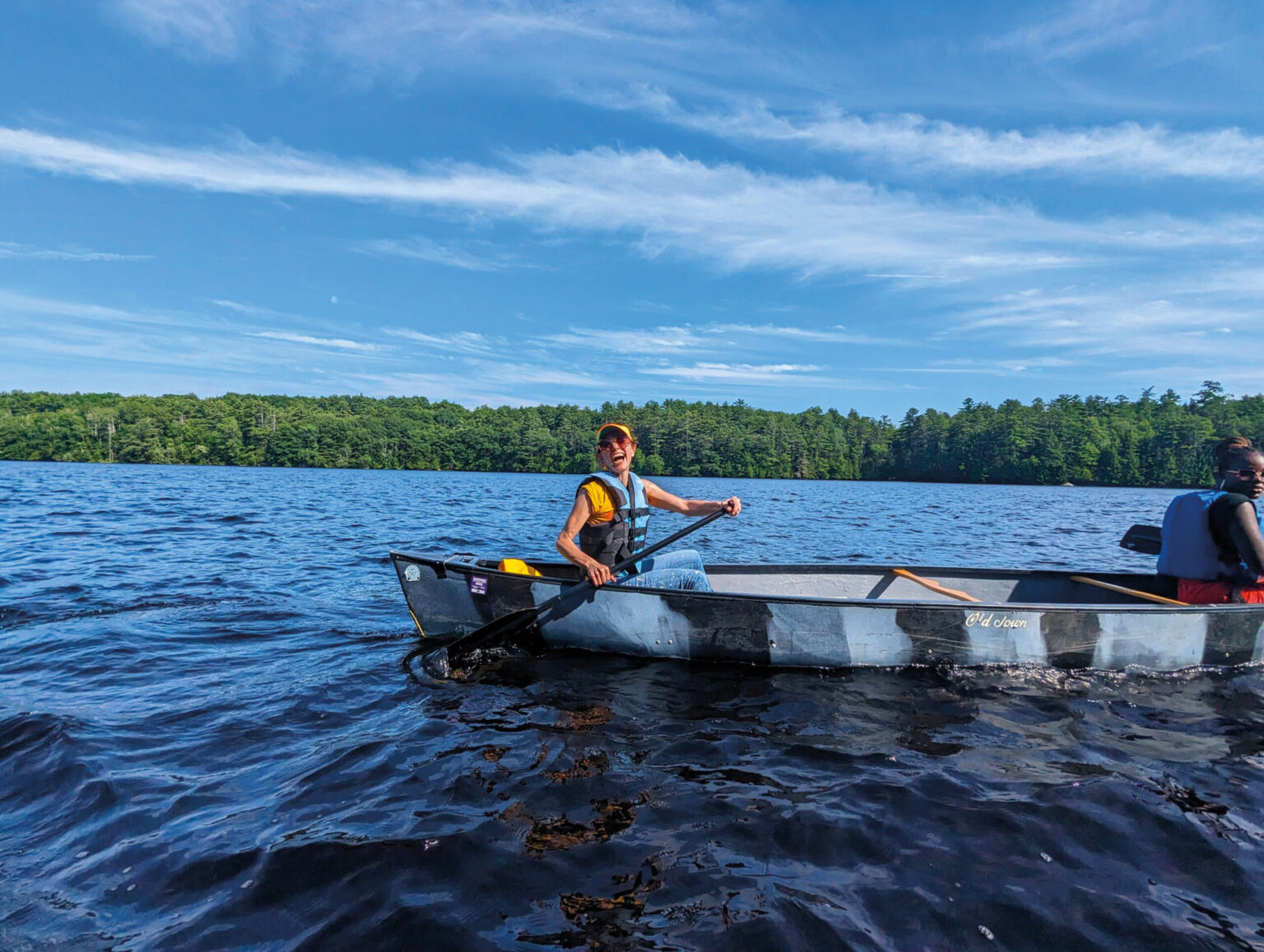
Sacred to Maine’s Indigenous peoples, the Penobscot River begins in the North Maine Woods region before coursing through the state and pouring into Penobscot Bay. Paddling trips with Native-owned Skyline Maine Adventures (pictured) launch from the Bangor area, with local guides versing kayakers in the river’s human history and pointing out its abundant wildlife. Look out for bald eagles in the pines and ospreys diving for their dinner. This is also one of the last rivers in the US where Atlantic salmon return to spawn. It’s magic at any time of day, but sunset paddles are extra special. skylinekayakrentals.com
Delaware
Take an eco tour at Delaware Seashore State Park
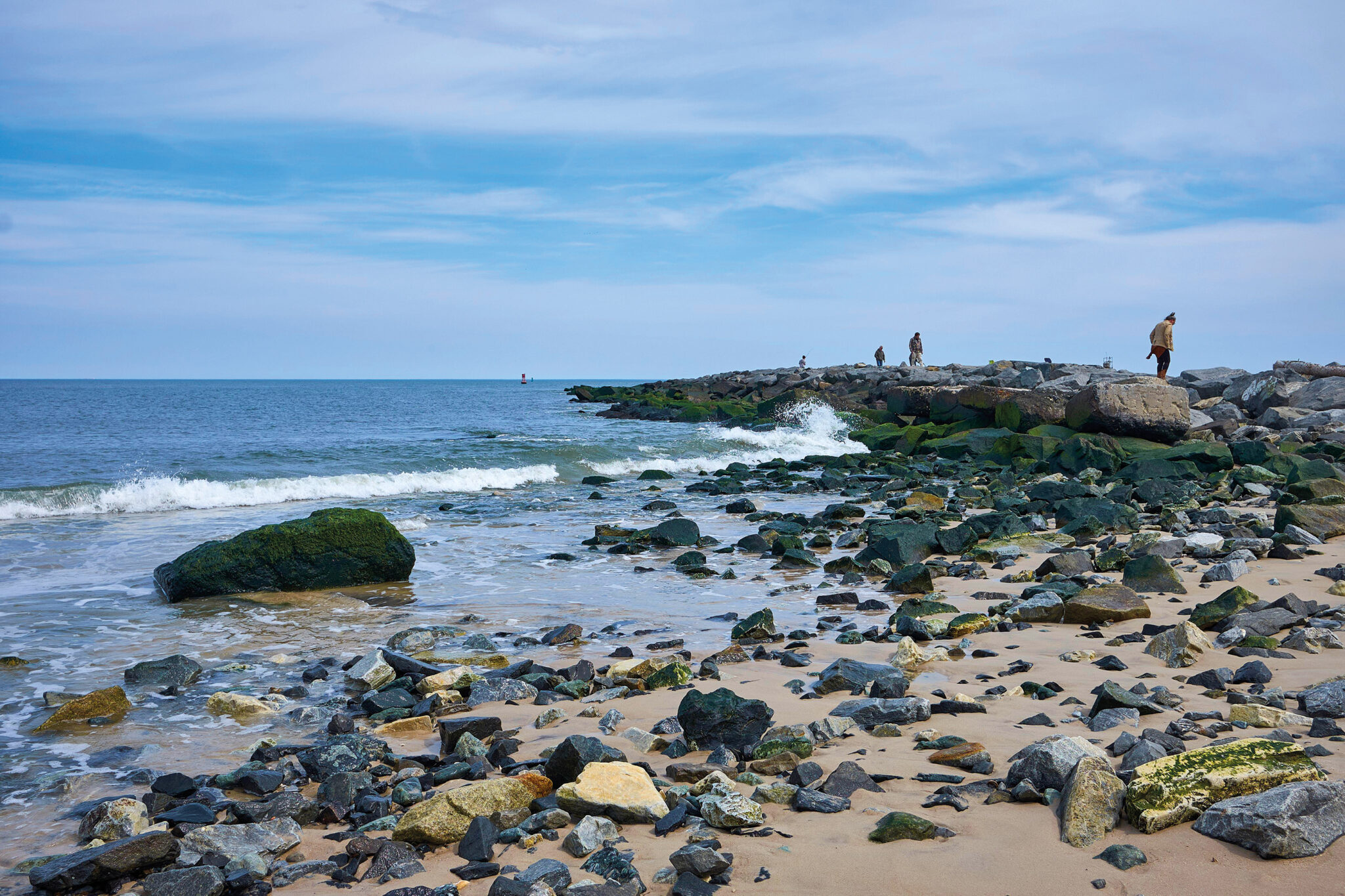
Delaware’s slice of the US coast is among the most underrated in the country. The Delaware Seashore State Park (pictured) protects 10km of wild, dune-studded ocean shoreline to the east, and another 32km skirting Rehoboth and Indian River bays to the west. Learn more about the park’s wildlife-rich ecosystems with an eco-paddling tour. Local naturalists will help you navigate the marshes of Rehoboth Bay, pointing out birdlife ranging from laughing gulls to herons and osprey. Look out too for diamondback terrapins surfacing in the shallows, or even the odd bottlenose dolphin breaking the waves. destateparks.com
Montana
Join a horse-riding tour in Big Sky Country
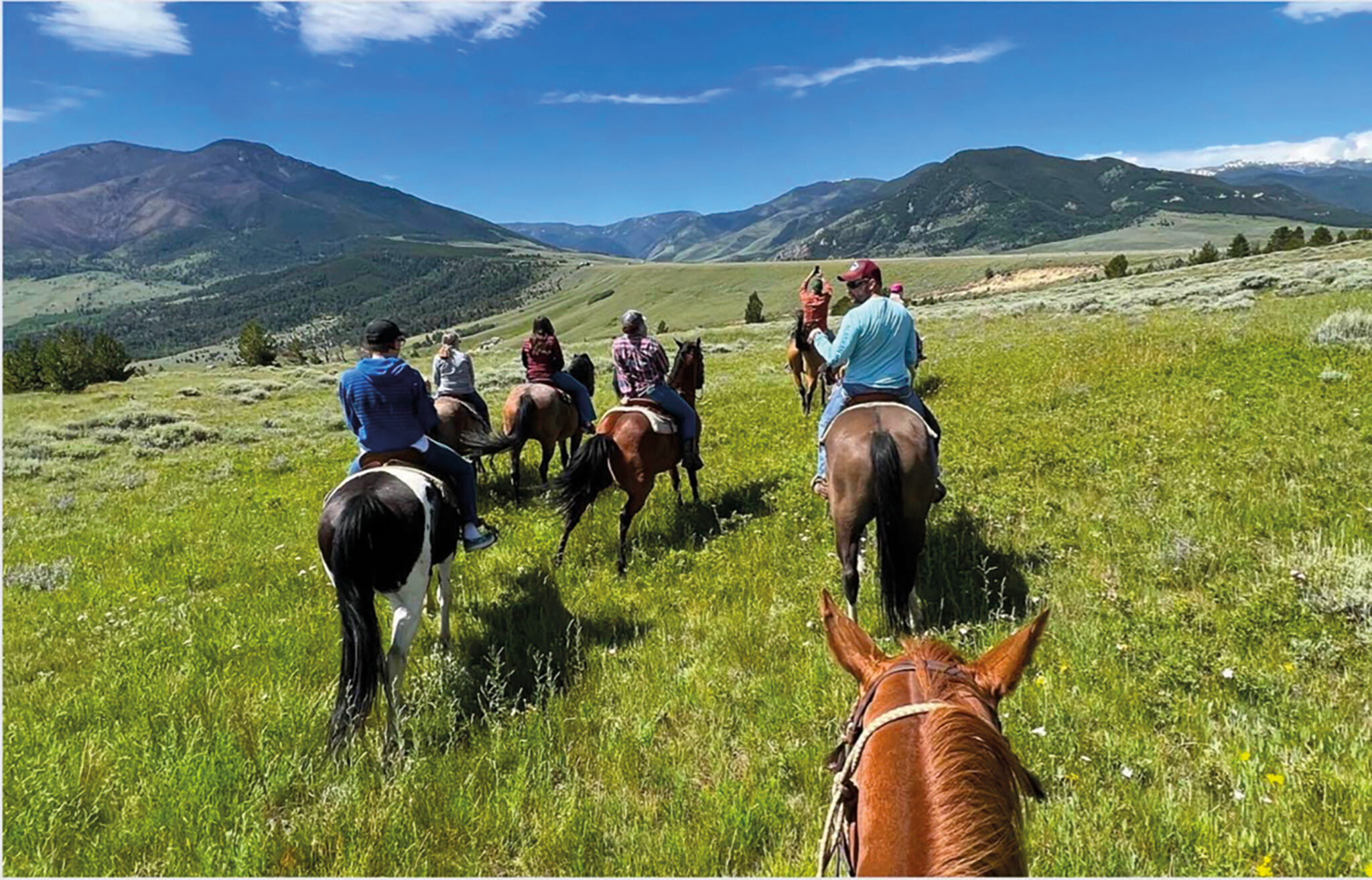
There’s no better way to experience Montana’s epic backcountry than on horseback. It’s even better with a local guide who can navigate the wilderness and share stories about the land too. Elk River Outfitters is based in Red Lodge, a small town in the foothills of the Beartooth Mountains. Guided rides (pictured) strike out into the hinterlands on the outskirts of town, crossing creeks, passing through wildflower-scattered meadows and climbing gentle peaks. At the ride’s climax, you and your steed will look out over seven mountain ranges – a true taste of the Wild West. elkriveradventures.com
Iowa
Stay on a working farm in Iowa
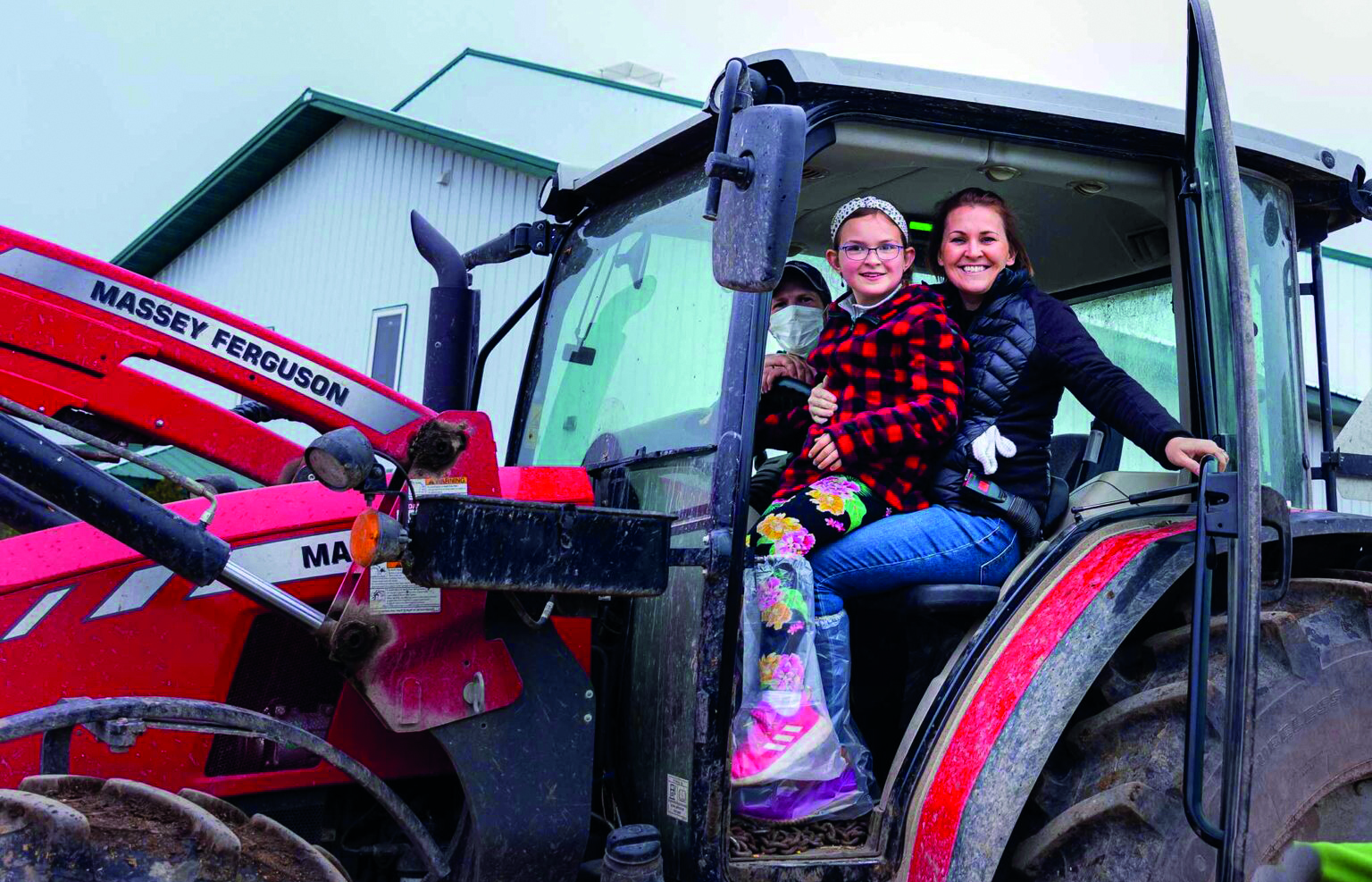
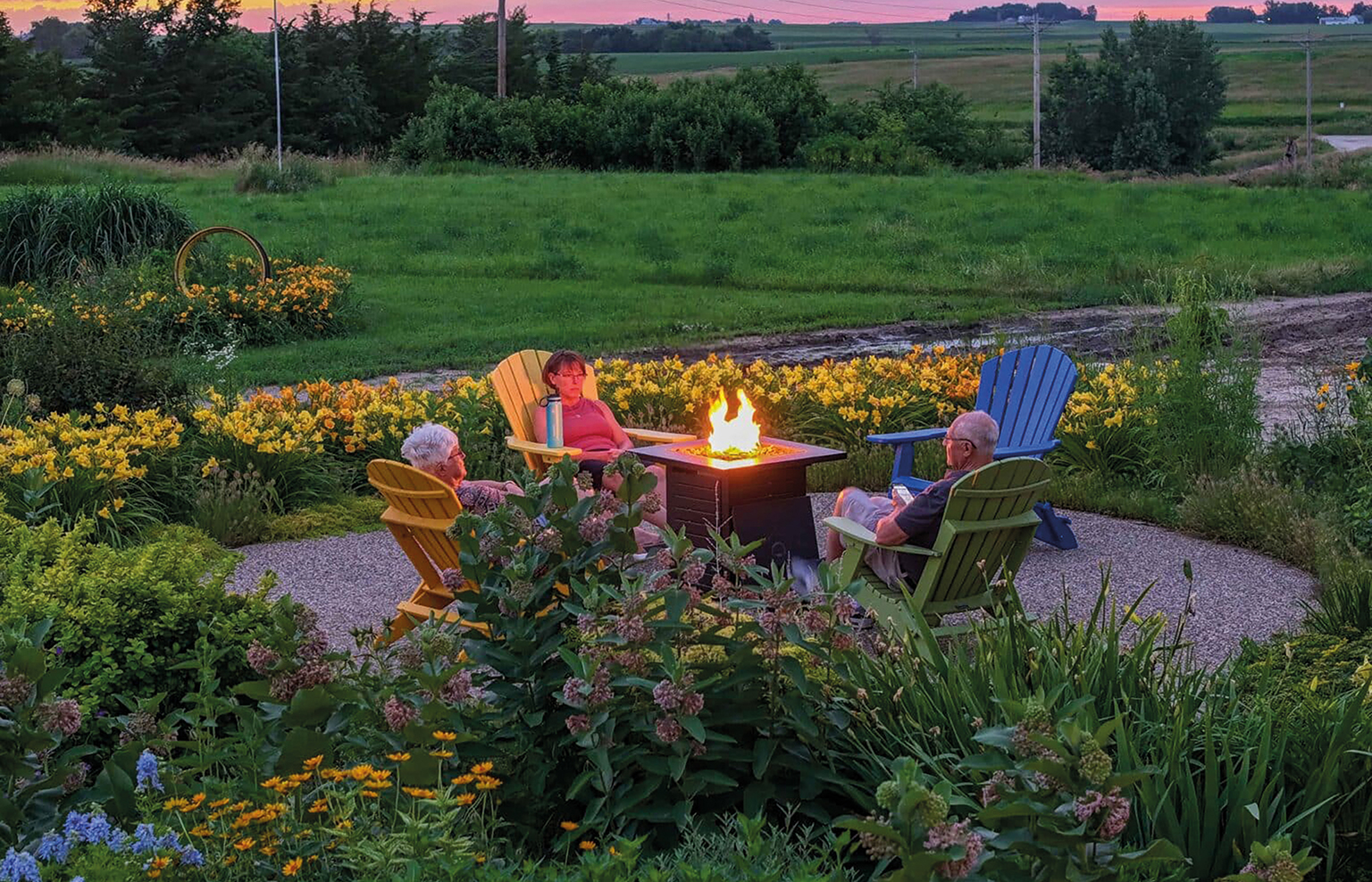
Few states have as much agricultural might as Iowa. A whopping 85% of state land is used for agriculture, and it leads the nation in the production of everything from corn to pork. That means a farm stay here offers more than a fun experience; it’s also a way to connect with Iowa’s heritage. A favourite is New Day Dairy (pictured) in the north, where you’ll get the chance to take a tour and learn about the day-to-day running of the farm during your B&B retreat. You can spend the rest of the time picking berries (in season), stargazing, gravel biking, walking and keeping your eyes peeled for bald eagles. newdaydairy.com
Minnesota
Hop in a canoe to explore the Boundary Waters
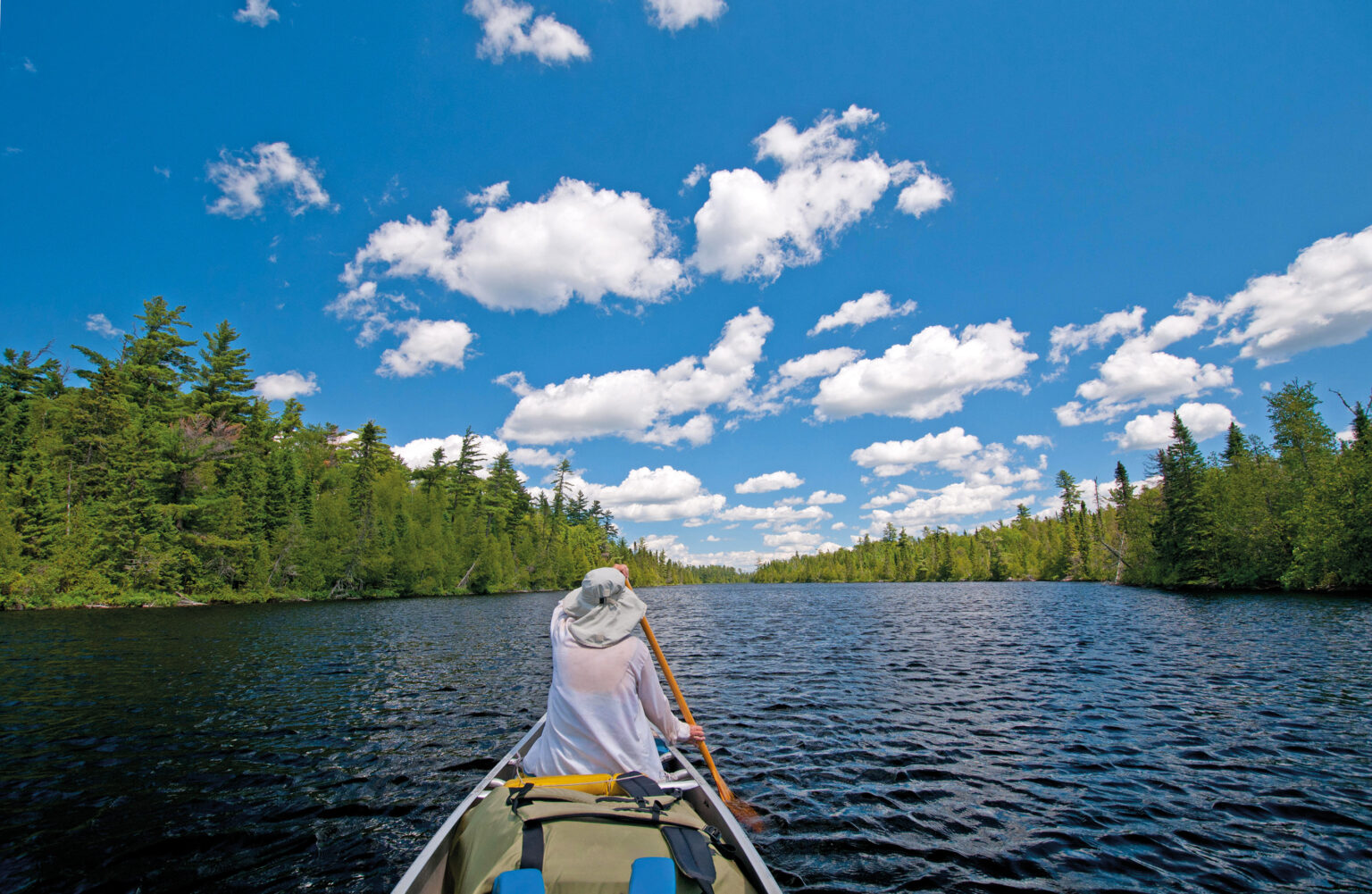
Minnesota is known as the ‘Land of 10,000 Lakes’ for good reason – and there’s no better way to experience this natural playground than with a local guide who knows the waterways like the back of their hand. Book an excursion with the Piragis Northwoods Company, a local operator whose tours venture deep into the remote Boundary Waters Canoe Area Wilderness (pictured). This watery wonderland spreads over more than 4,000 sq km in a tangle of rivers and lakes, and is criss-crossed with forest-fringed paddling routes. Choose between epic camping adventures and day trips with naturalist guides, who’ll share facts about the birdlife and the area’s many and varied ecosystems, ranging from old-growth forest to floating bogs. piragis.com
Connecticut
Embark on a seal-watching cruise with Project Oceanology
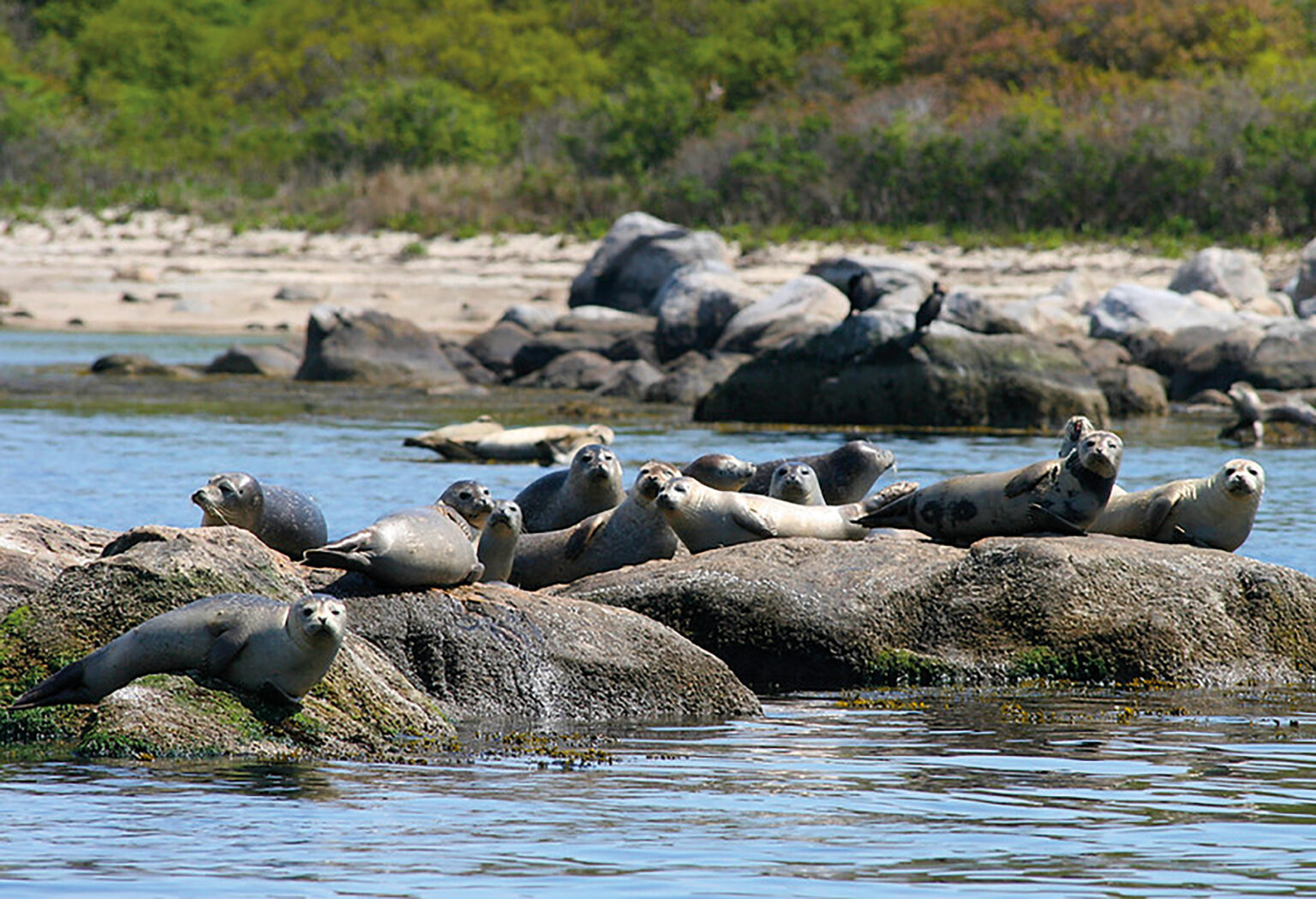
Since 1972, the non-profit Project Oceanology has worked to inspire locals and visitors to care for and protect the marine world off Connecticut’s coast. One of their most engaging offerings is a series of expert-led eco-tours, departing from Groton – where their campus features marine exhibits – and venturing into the Long Island and Fishers Island sounds. A favourite is the Seal Watch Cruise (usually March to April), through which you’ll learn about the behaviour and importance of harbour seals (pictured) as you spot them on their migratory journey from Maine. oceanology.org
Florida
See Florida’s barrier reef with the locals looking to protect it
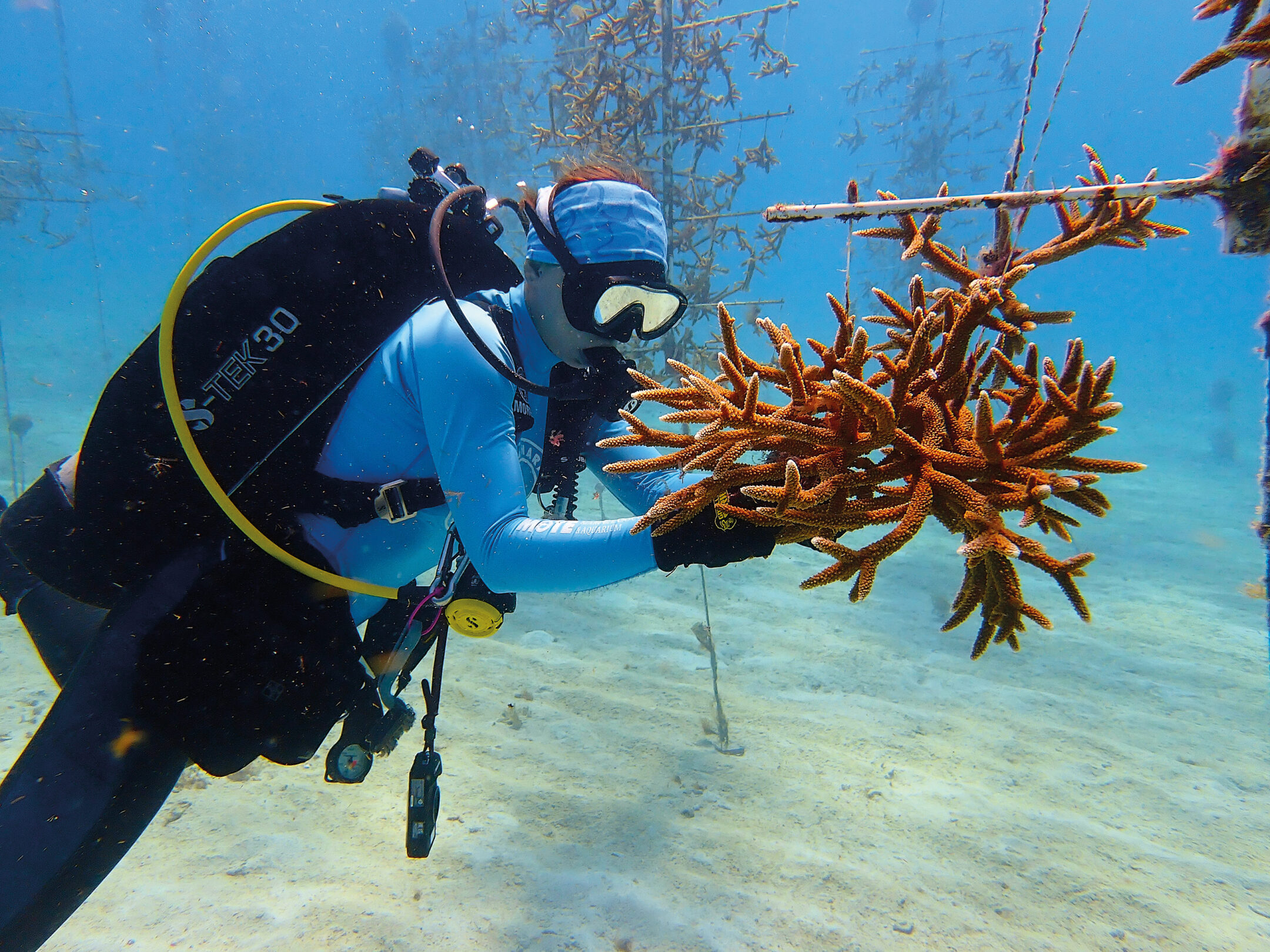
The only living coral barrier reef in the continental US unfurls beyond the sand-fringed shorelines of the Florida Keys. Staghorn and elkhorn corals are among the precious species that call the reef home. The reef also serves as a critical habitat for marine life, ranging from sea urchins to angel fish and spiny lobsters, who tuck themselves into the coral’s craggy crevices. But the Florida Reef is in sharp decline. Rising ocean temperatures, accelerated coastal development and other pressures have caused healthy coral cover to plummet by around 90% since the 1970s, according to the National Oceanographic and Atmospheric Administration (NOAA). Thankfully, a dedicated community is working to both protect what remains and to restore what has been lost. At the forefront is Mote Marine Laboratory, a pioneering research institution leading coral restoration efforts. Travellers can discover this work first-hand by visiting one of Mote’s three lab facilities, joining in on coral microfragmentation projects (an innovative technique that accelerates regrowth) and even taking part in citizen-science dives (pictured). mote.org
Erin Muiro,
Engagement manager at Mote Marine Laboratory

“My family first homesteaded in the Upper Keys in the 1860s. The bounty of the sea provided sustenance for their tables. With railroads and highways came greater accessibility, and the beauty of our island chain attracted travellers looking to spend time on the water. Our local communities adapted – farmers became fishing guides – and our ocean sustained us in new ways. Today, our way of life is still intricately linked to our waters. I love seeing the wonders of our coral reef through my children’s eyes when we snorkel at Alligator Reef lighthouse. I love skimming over calm, glassy waters into the backcountry, keeping my eyes peeled for sightings of my favourite bird, the roseate spoonbill. I feel most connected to my family’s roots when spending time on the water, and I am fortunate to live and work in a community that highly values and fiercely protects our marine environment. As a descendant of the Upper Keys’ pioneering farmers, my life has come full circle by working for Mote Marine Lab, where our pioneering coral-farming efforts are restoring the reefs that have always sustained us. Protecting it safeguards not just the marine species that call Florida’s Coral Reef home, but the livelihoods and cultures of the Florida Keys communities themselves.”
Hawaii
Discover wild O‘ahu with Native Hawaiians
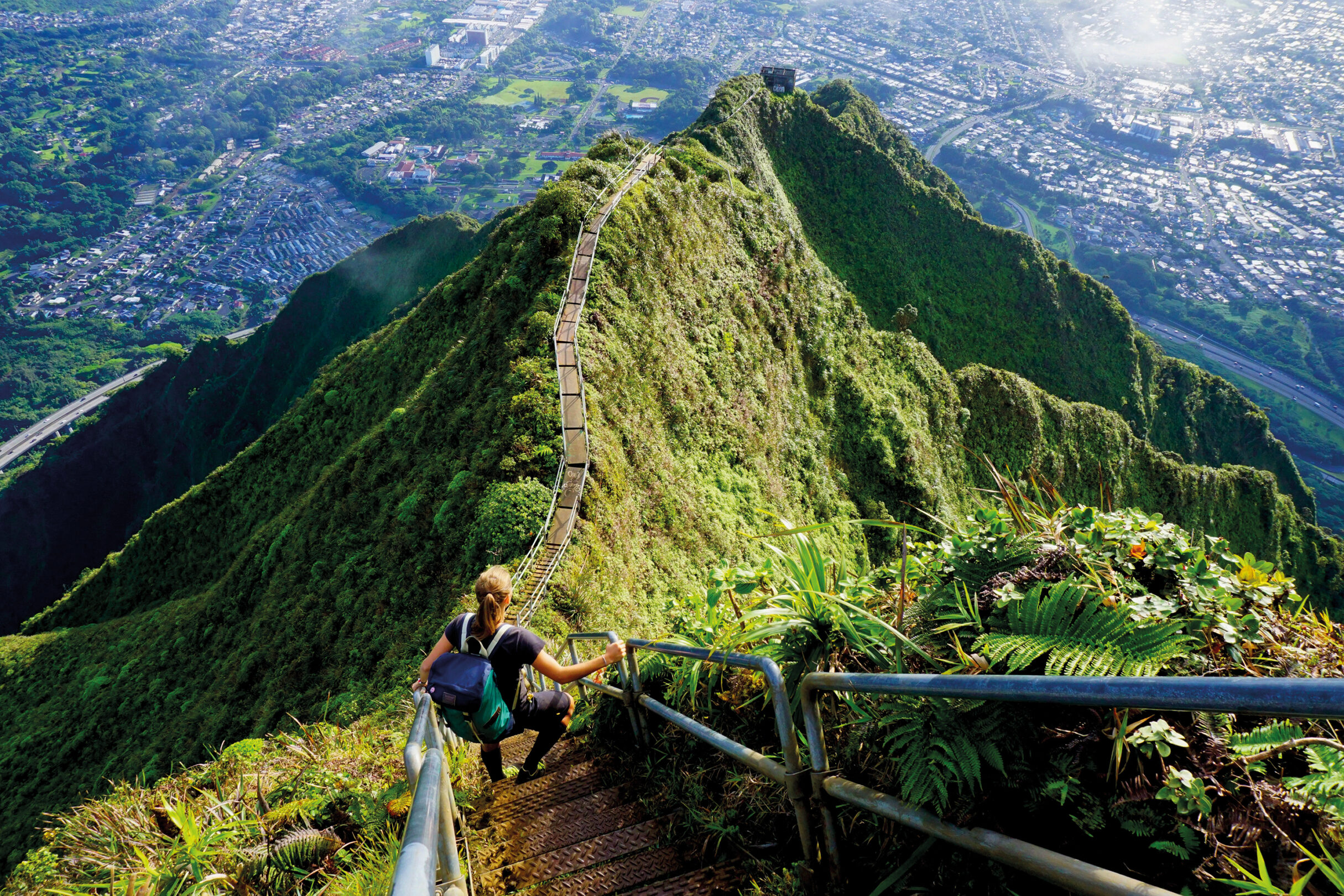
While travellers have long flocked to island capital Honolulu and beachy Waikīkī, O’ahu’s wild North Shore typically offers a quieter, more laid-back escape. And a trip with North Shore EcoTours, an Indigenous- and female-owned operator dedicated to the care and protection of the land, is an ideal way to explore. Tours range from hikes through the jungle and fruit farms to days devoted to mālama mauna (‘care for the mountain’ in Hawaiian). Guided by locals, you’ll help maintain mountain trails, support the Kawailoa watershed and hear vivid stories connected with Hawaiian culture and history as you work. northshoreecotours.com
Kentucky
Take a guided hike in the Red River Gorge
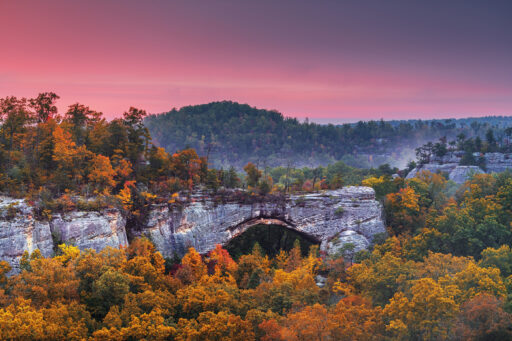
Kentucky is known for its rich cultural heritage, from its long legacy of distilling bourbon to its history as the birthplace of bluegrass music. But the state’s outdoors should be calling travellers too. In east-central Kentucky, the Red River Gorge unfurls in the Daniel Boone National Forest (pictured), a landscape of sandstone arches and sheer cliffs. To connect with this wild corner, book a guided hike with Red River Gorge Experiences. You’ll head out into the backcountry with local guides who know every twist of the trails. Choose between challenging treks that might involve bushwhacking or scrambling, or opt for more mellow outings amid the woodlands and waterfalls. rrgexperiences.com
Rhode Island
Learn how to sail on the coast of Newport
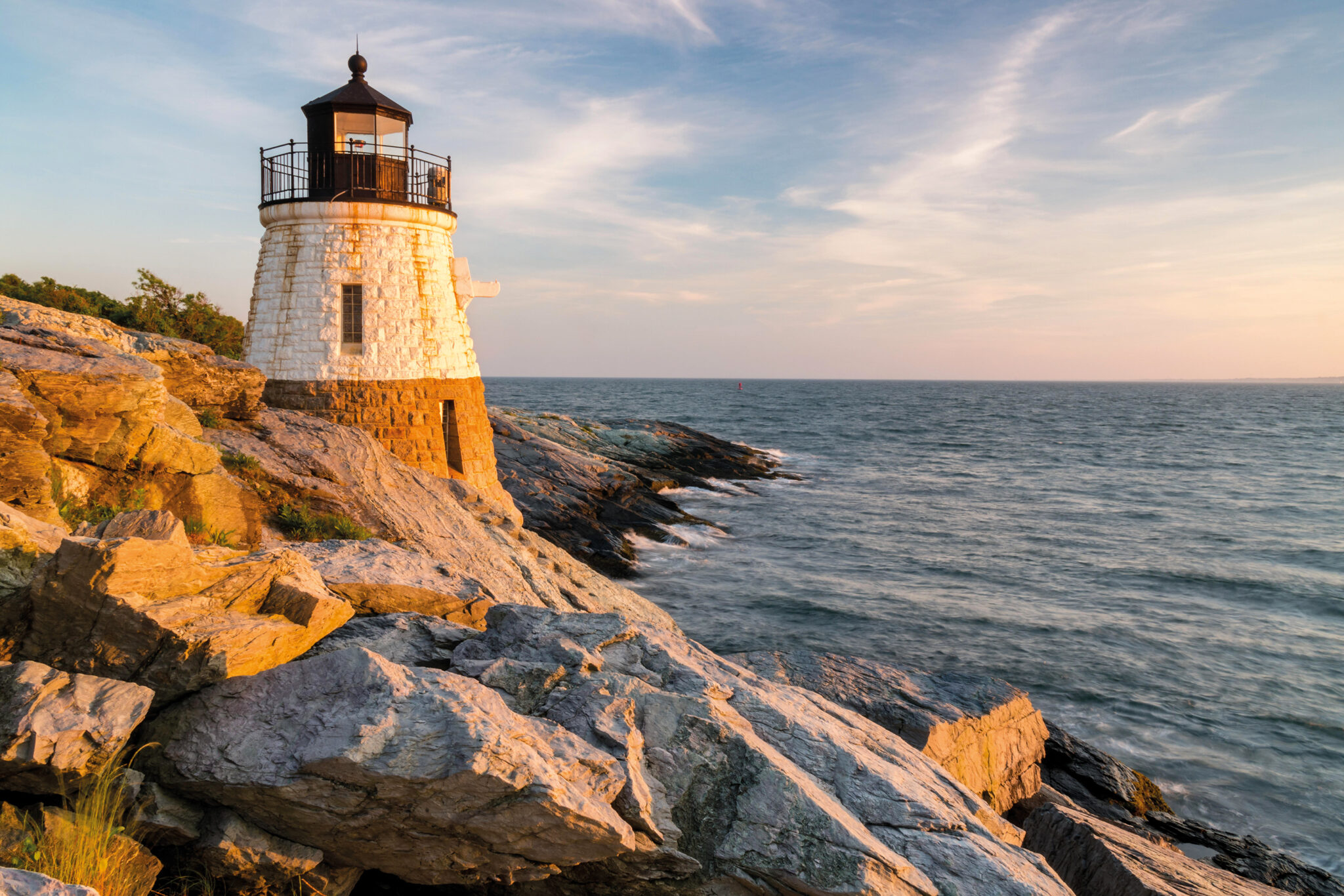
Rhode Island’s maritime history has shaped the state, from its bustling colonial ports to its prolific shipyards and its enduring role as a naval hub. Today, exploring the lighthouse-studded coastline (pictured) remains one of the most rewarding ways to connect with this seafaring legacy. To immerse yourself, book a lesson with Newport Sailing School and Tours. Suitable for beginners and semi-pros, classes with local sailors include instruction in everything from knot tying to the ‘rules of the road’ at sea. If you don’t fancy learning yourself, make time for a sunset sailing tour instead. newportsailing.com
Utah
Explore ancestral lands with Ancient Wayves River and Hiking Adventures
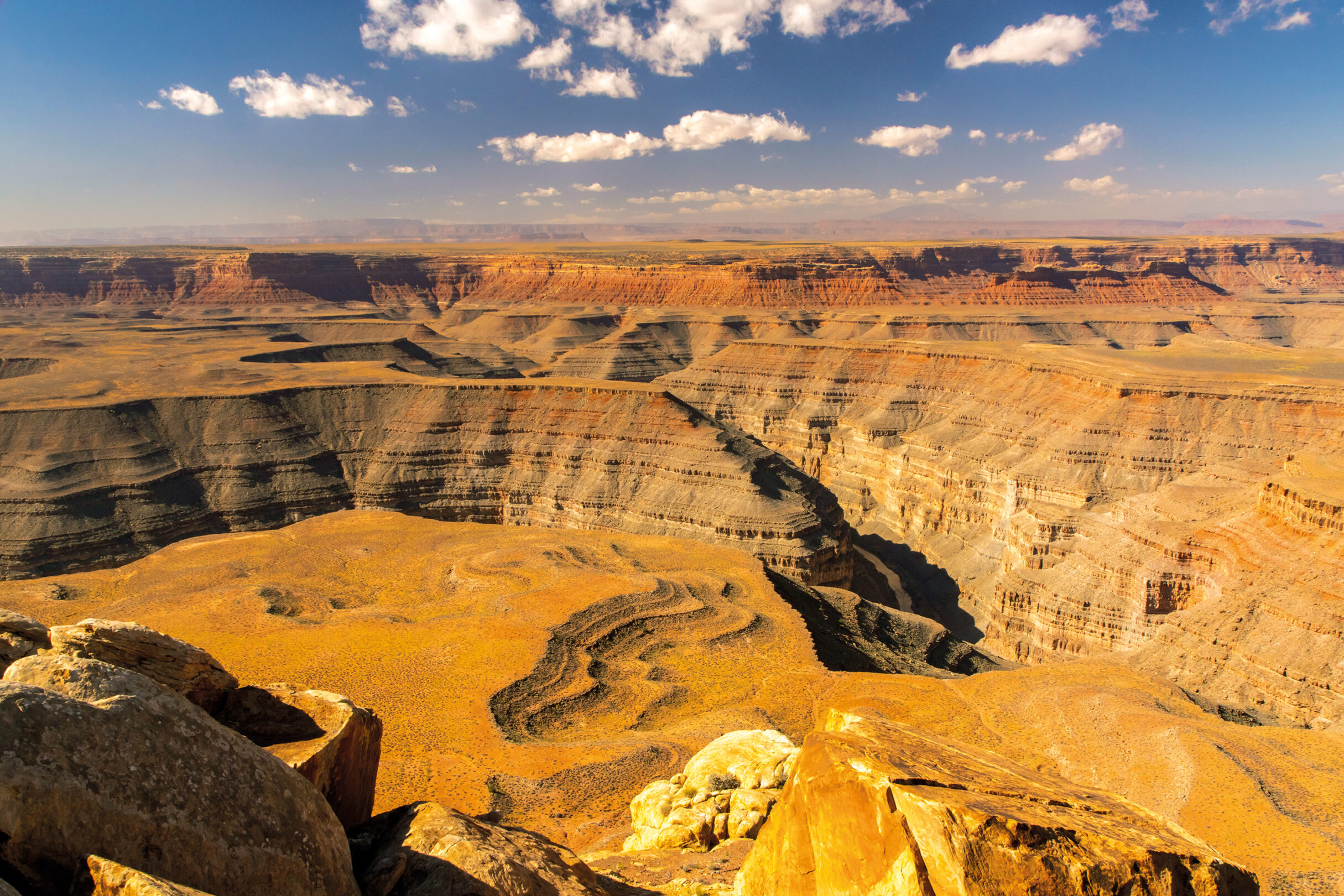
Bears Ears National Monument sprawls across the south-eastern corner of Utah in a mosaic of cinnamon-coloured canyons and rugged mesas. Its inky skies and endless hiking trails are a delight. The Monument also protects part of the San Juan River (pictured), a sinuous waterway that slinks all the way from Colorado’s San Juan Mountains, through New Mexico and into Utah, carving deep gorges along its course. Aside from their sheer beauty, these lands are also culturally important. They form part of the ancestral homelands of the Ute, Paiute, Navajo, Zuni, Hopi and other Pueblo peoples, who have hunted, gathered and held ceremonies here for generations. Traces of this presence endure in ancient cliff dwellings and rock art. Delve deeper on a tour with Ancient Wayves River and Hiking Adventures, which blends Indigenous knowledge and culture with outdoor exploration on guided day hikes or backpacking trips. tourancientwayves.com
Louis Williams,
Tour Guide
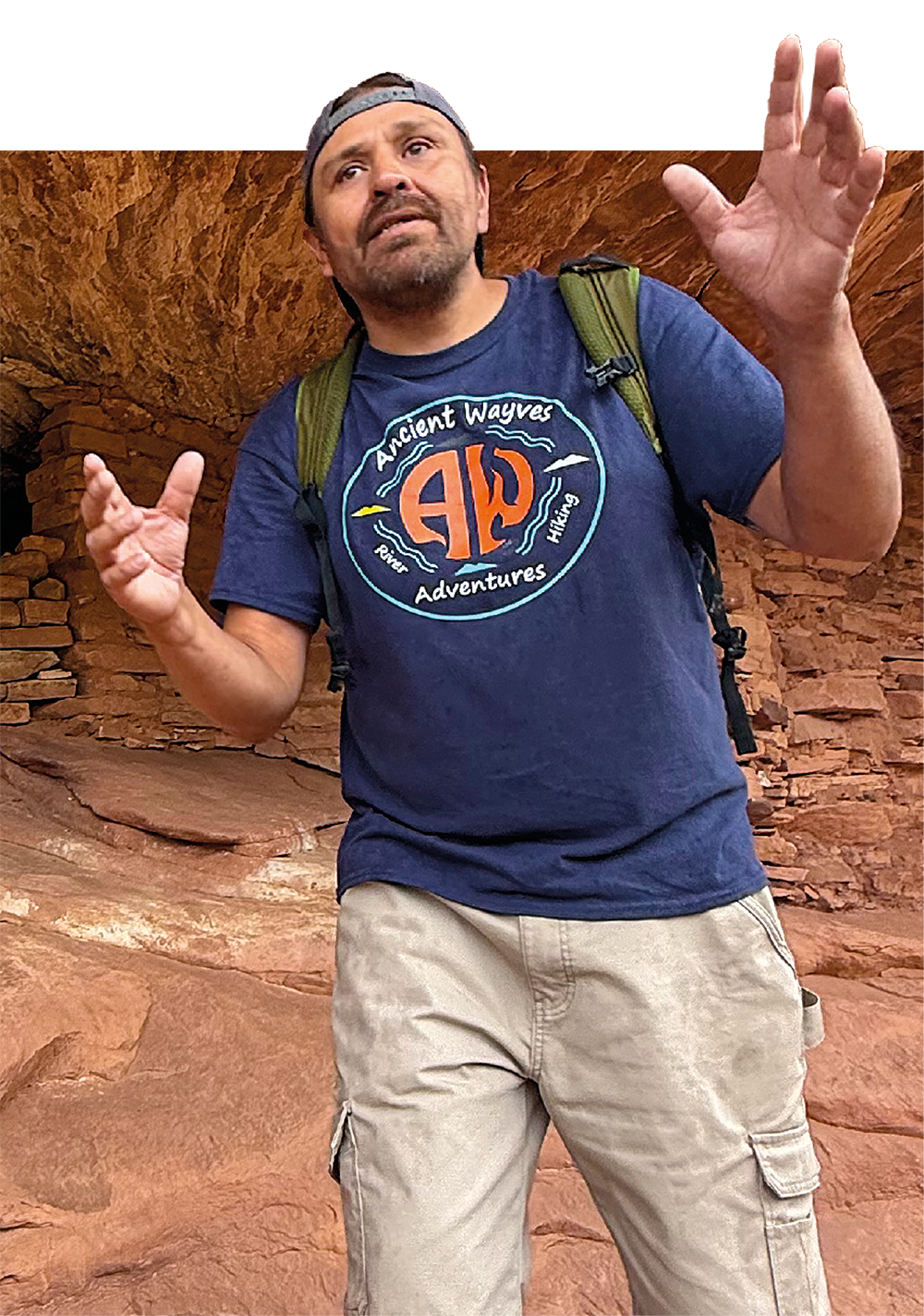
“With Ancient Wayves, you’ll be guided by a knowledgeable person who is connected to the land through cultural heritage. Our guides are descendants of the people who lived in this region since time immemorial, and stories have been passed down through many generations within the Tribes.
You’ll get to learn about the different plants that Indigenous people use in their daily lives; smell the fresh scents of the many types of trees; hear the languages of the various Tribes (our guides are of Indigenous descent and can speak their native language); and see spectacular views of Southeastern Utah, also known as ‘Utah’s Canyon Country’. Ancient Wayves tours operate in areas that are remote, which gives a sense of solitude.
If you’re visiting and want to learn about the local Indigenous people and their culture, tour with a Native guide. Beneath all these modern-day farms, roads, towns and cities, there are remnants of the ancient civilisations of Indigenous Tribes. Indigenous guides give a voice to those ancient people and the landscape.”

Mississippi
Delve into Mississippi’s Choctaw heritage
Before Mississippi became a state, this land was home to the Indigenous Choctaw people, whose territory stretched across much of southern and central Mississippi and into parts of Louisiana and Alabama. In the 1830s, most of the Tribe was forcibly removed to present-day Oklahoma in what became known as the Trail of Tears. But some Choctaw remained, forming the federally recognised Mississippi Band of Choctaw Indians. Today, the Tribe’s heritage and living traditions are preserved at the Chahta Immi Cultural Center in the modern-day city of Choctaw. You’ll explore exhibits tracing Choctaw history and discover traditional art forms (pictured), from intricate rivercane basketry to beadwork and pottery. Hands-on workshops with Tribal artisans offer the chance to try these crafts yourself, while storytelling sessions with Elders bring Choctaw heritage vividly to life. choctaw.org
Nebraska
Visit the Ponca Tribe Powwow Grounds, Museum and Educational Trail
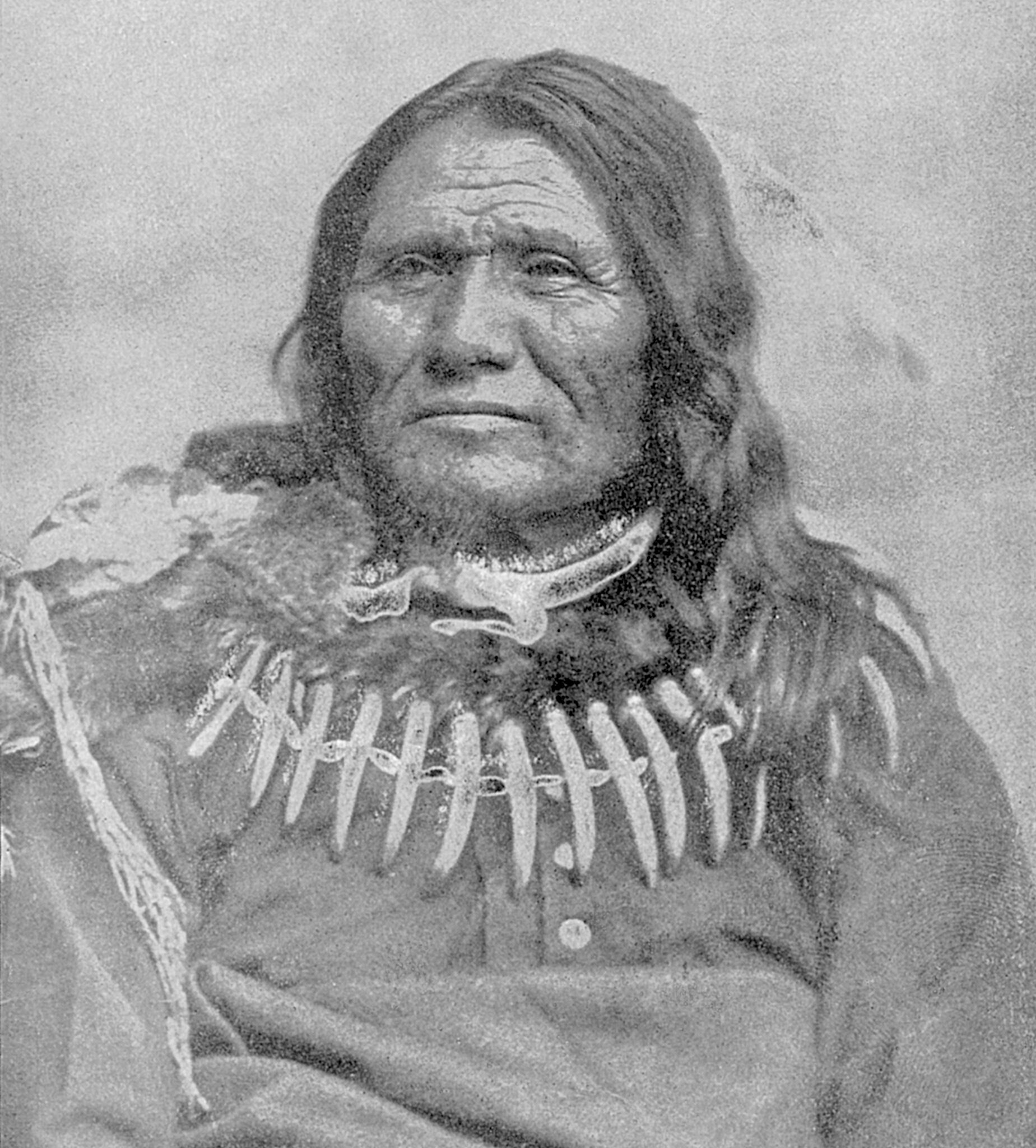
A visit to the ancestral lands of the Ponca Tribe of Nebraska offers plenty to ponder. The museum recounts how the Tribe was removed from their Northeast Nebraska homeland and forced to Oklahoma in the 1870s. It also tells the story of Chief Standing Bear (pictured), whose decision to ‘illegally’ leave the new reservation to bury his son back in the homelands sparked a legal trial that culminated in the landmark 1879 ruling that Native Americans are ‘persons’ under US law. Tours with Tribal members breathe life into this history, while the annual Powwow, held in August, fills the grounds with drumming and the scent of fresh frybread. poncatribe-ne.gov
Idaho
Dive into Boise’s Basque heritage
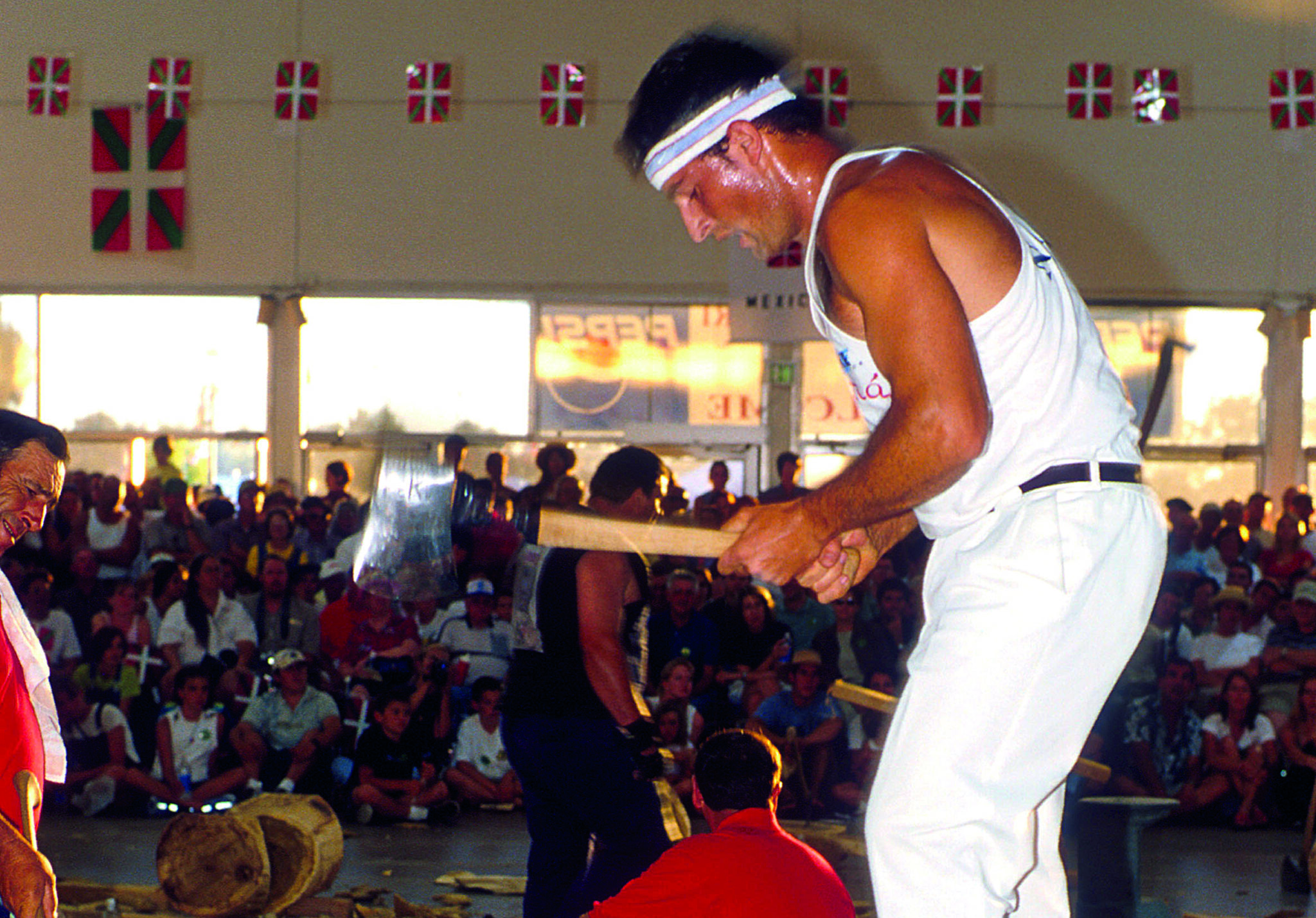
Basque culture has deep roots in Idaho’s capital. The state’s rugged, mountain-clad landscapes provided the perfect environment for sheepherding. Shepherds from the Basque region, in the western Pyrenees, began arriving in significant numbers from the end of the 19th century. Many of those immigrants settled in what is now known as the Basque Block, a cultural district in downtown Boise where their heritage is preserved. The neighbourhood really shines during the Jaialdi festival. This lively summer celebration features traditional Basque food, music and dancing, plus heritage sports such as wood chopping (pictured) and stone lifting. Otherwise, you can experience Basque culture by visiting Cyrus Jacobs–Uberuaga House, a historic boarding house-turned-museum, or by feasting on Basque meatballs and braised chorizo at The Basque Market restaurant in Boise, a stronghold of Basque culinary heritage and known for its pintxos (small bites). basquemuseum.eus; thebasquemarket.com
Alabama
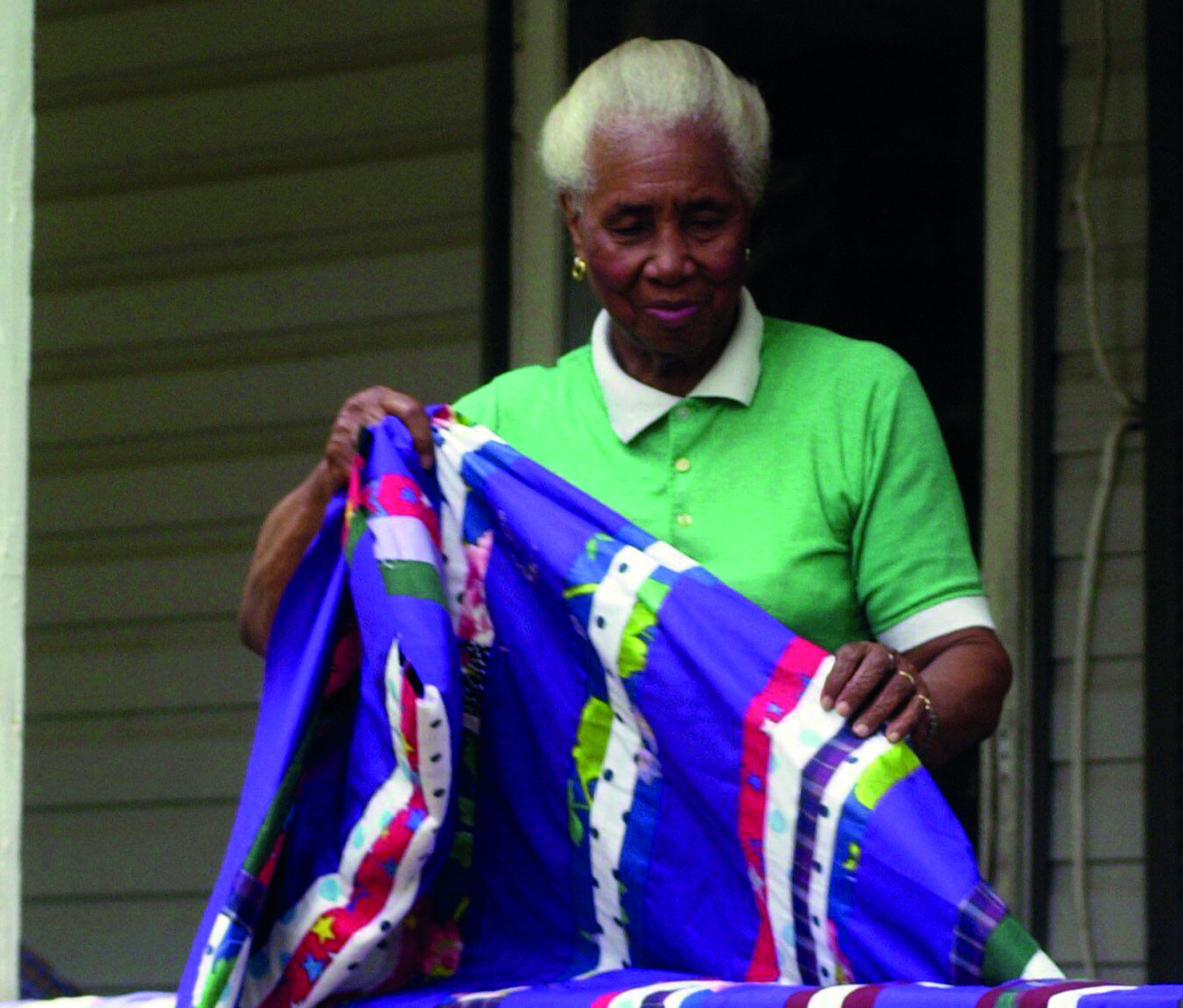
Try your hand at quilting with the women of Gee’s Bend
Quilting is stitched into the fabric of Gee’s Bend, a rural, historically Black community tucked into a horseshoe of the Alabama River. Born of necessity – warmth and bedding in uninsulated homes – the tradition’s bold, improvisational designs have since evolved into a coveted art form, showcased by major museums such as the Whitney Museum of American Art in New York. Today, there are plenty of ways for travellers to connect with makers: buy directly from artisans at the Gee’s Bend Quilters Collective (by appointment), chat with locals and see displays at the Gee’s Bend Welcome Center and River Gallery or time your trip for the Airing of the Quilts Festival, featuring colourful exhibitions, workshops and guided tours of the community. airingofthequilts.org
Mary Ann Pettway,
Quilter and manager of the Gee’s Bend Quilters Collective
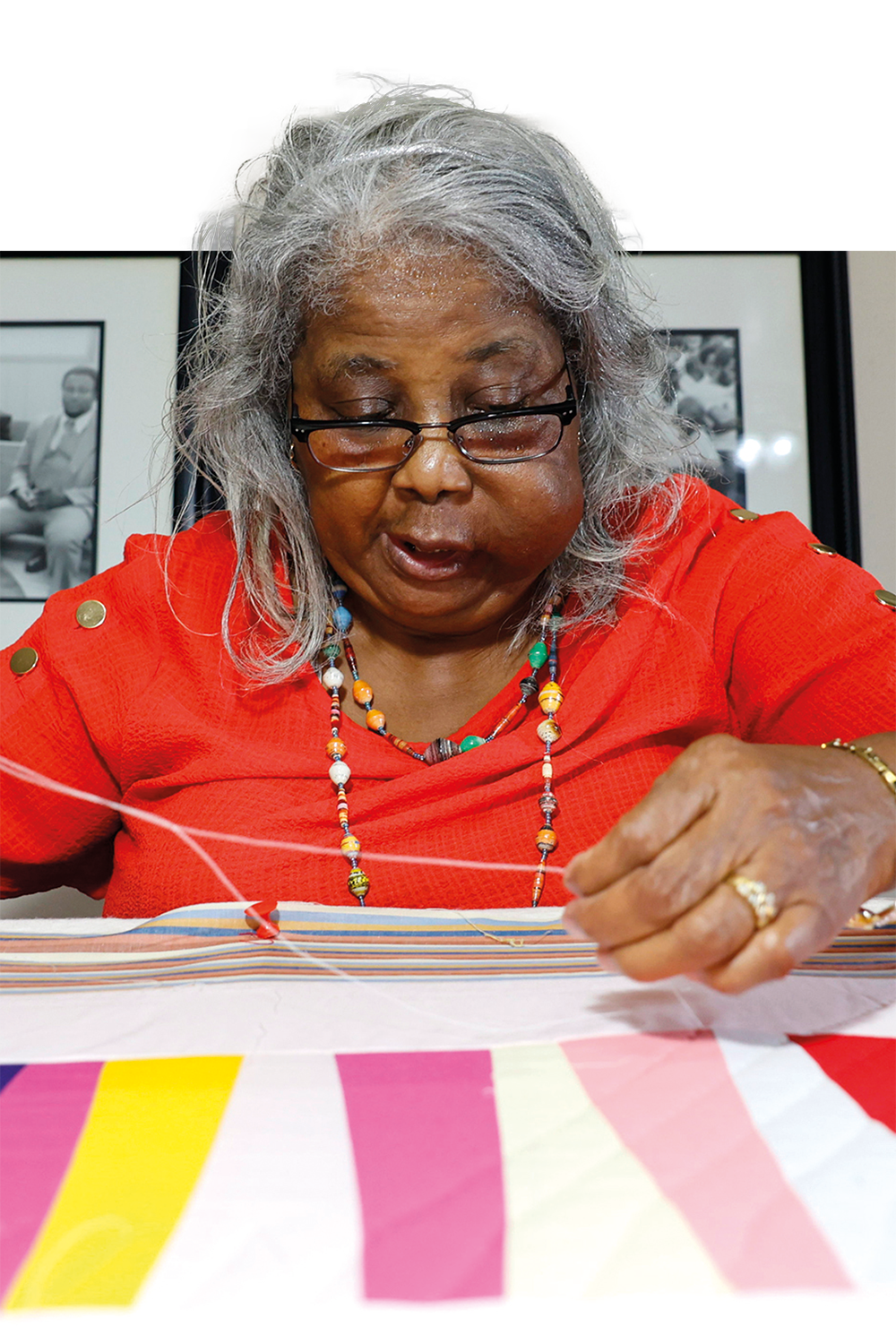
“The quilts in Gee’s Bend are special because of the love that goes into them. It’s a tradition that’s been passed down from generation to generation. Quilting started as a practical thing when times were hard: our mothers and grandmothers would make quilts for us to sleep on top of, because we didn’t have a bed to lie on. They also had to make those quilts to keep us warm. My mother taught me to quilt – I was six or seven years old when she showed me how to make my first block. Now I make quilts for art. The commissions I receive today are mostly from people who want quilts to decorate their homes. It’s important to protect the heritage of quilting because it’s our legacy and our past. Each quilt I make is like a child being born – I give it a name when I finish it. It’s a gift from God. I don’t have any other way to explain it. He gave me the gift to create.”

Nevada
Attend the National Cowboy Poetry Gathering in Elko
The Wild West has long inspired stories and songs. The artistic spirit of the much mythologised West is distilled at an annual festival (pictured) organised in Elko by the Western Folklife Center. The event began as a place for working cowboys to share tales of life on the range. Fast-forward 40 years and it now draws creatives from across the US, who come to showcase art, perform poetry and play music celebrating rural Western life. Attendees can try their hand at crafts like leather-carving and braiding rawhide, or even learn to dance the two-step.
nationalcowboypoetrygathering.org
West Virginia
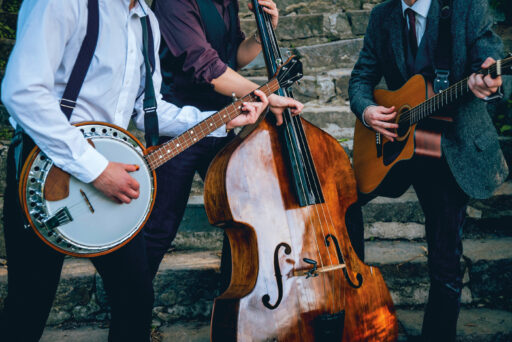
Follow the Mountain Music Trail
The peaks of Appalachia nurtured some of the earliest musical genres in modern America. That heritage is celebrated on West Virginia’s Mountain Music Trail, which follows Route 219 to a string of music venues, heritage centres and festival locations. Rub shoulders with local musicians at spots such as the Purple Fiddle in Thomas, which hosts everything from country to jazz. Other hotspots include Elkins’ Big Timber Brewing Company, which has weekly old-time jams. Or time your trip for summer, when the river town of Parsons swells with bluegrass fans for the annual ‘Pickin’ in Parsons’ festival. wvtourism.com/heart-of-mountain-music
South Dakota
Embrace Indigenous culture in the Black Hills
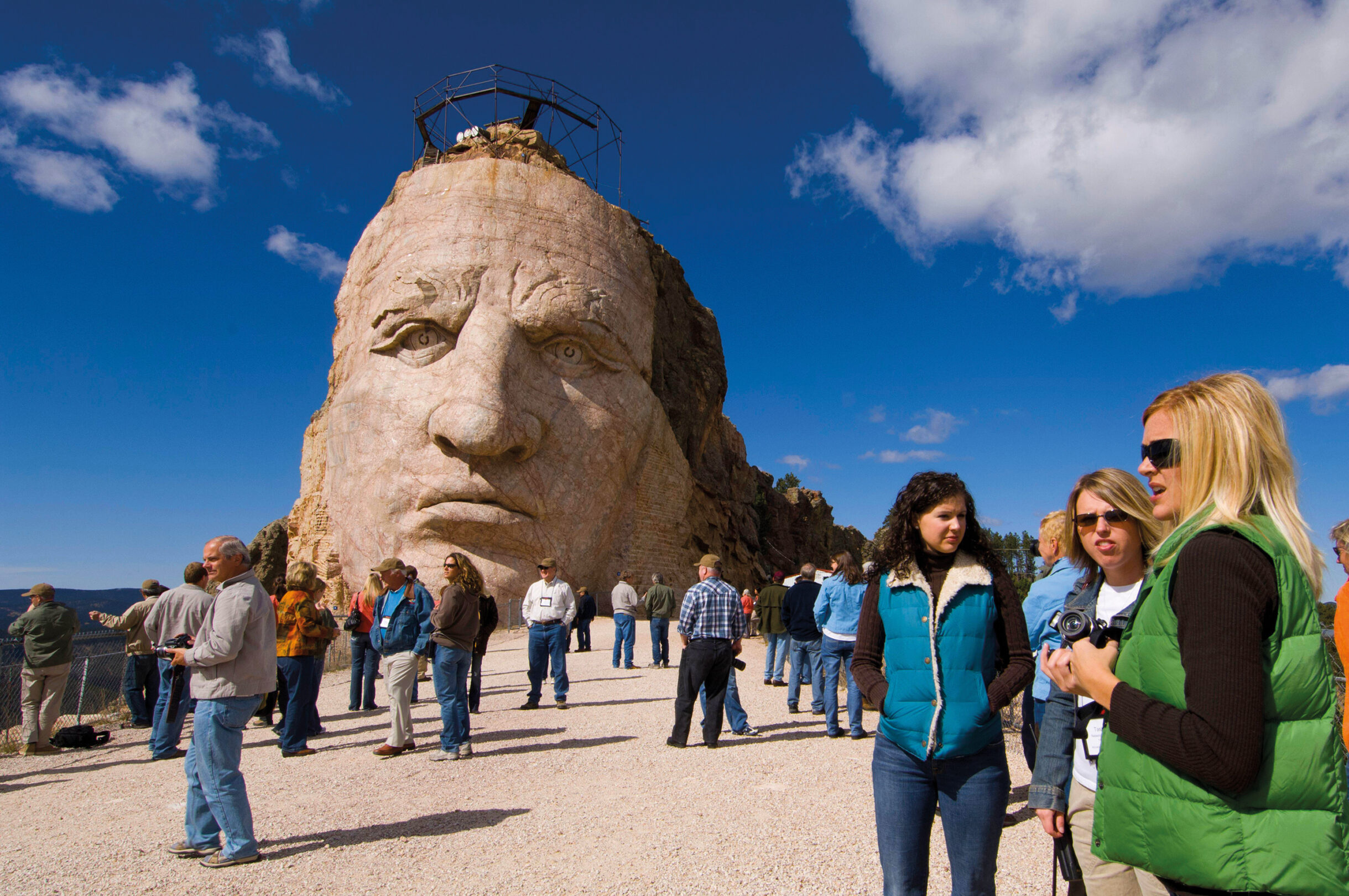
The Black Hills were sacred to Indigenous peoples long before Mount Rushmore made them famous. In fact, the 1868 Treaty of Fort Laramie promised this land to Native peoples including the Lakota Sioux, but that was overturned after gold was found here. Today, travellers can connect with Native heritage at the annual Black Hills Pow Wow in Rapid City in October, an event filled with drum contests and cultural workshops. Another must-see is the Crazy Horse Memorial (pictured), a still-evolving mountain carving honouring the revered Oglala Lakota leader. Its museum and cultural centre share the history of the Black Hills and its peoples. blackhillspowwow.com
New Mexico
Discover the heritage of the Chimayó weavers
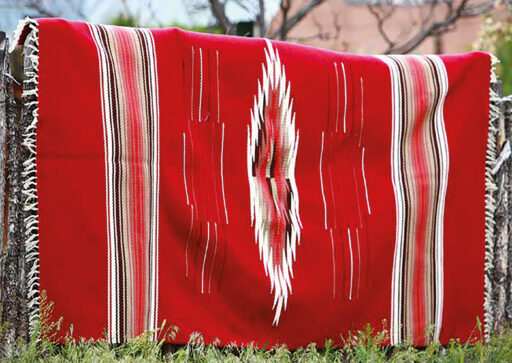
Generations of history is preserved in the looms of Chimayó, a tiny town rooted in the foothills of the Sangre de Cristo Mountains. The town’s weaving history traces its beginnings to Spanish colonial settlers, who arrived in the region in the 1500s. They brought with them advanced weaving skills and churro sheep, whose especially hardy wool was perfect for making durable rugs, clothing and blankets. Over centuries, distinctive patterns – now synonymous with the region – emerged, featuring bold diamond shapes and thick horizontal lines). Now you can shop directly from artisans at family-run businesses such as Ortega’s Weaving (pictured) and Centinela Traditional Arts, operated by descendants of early Spanish settlers. ortegasweaving.com; chimayoweavers.com
New Jersey
Embrace Italian culture in Hoboken
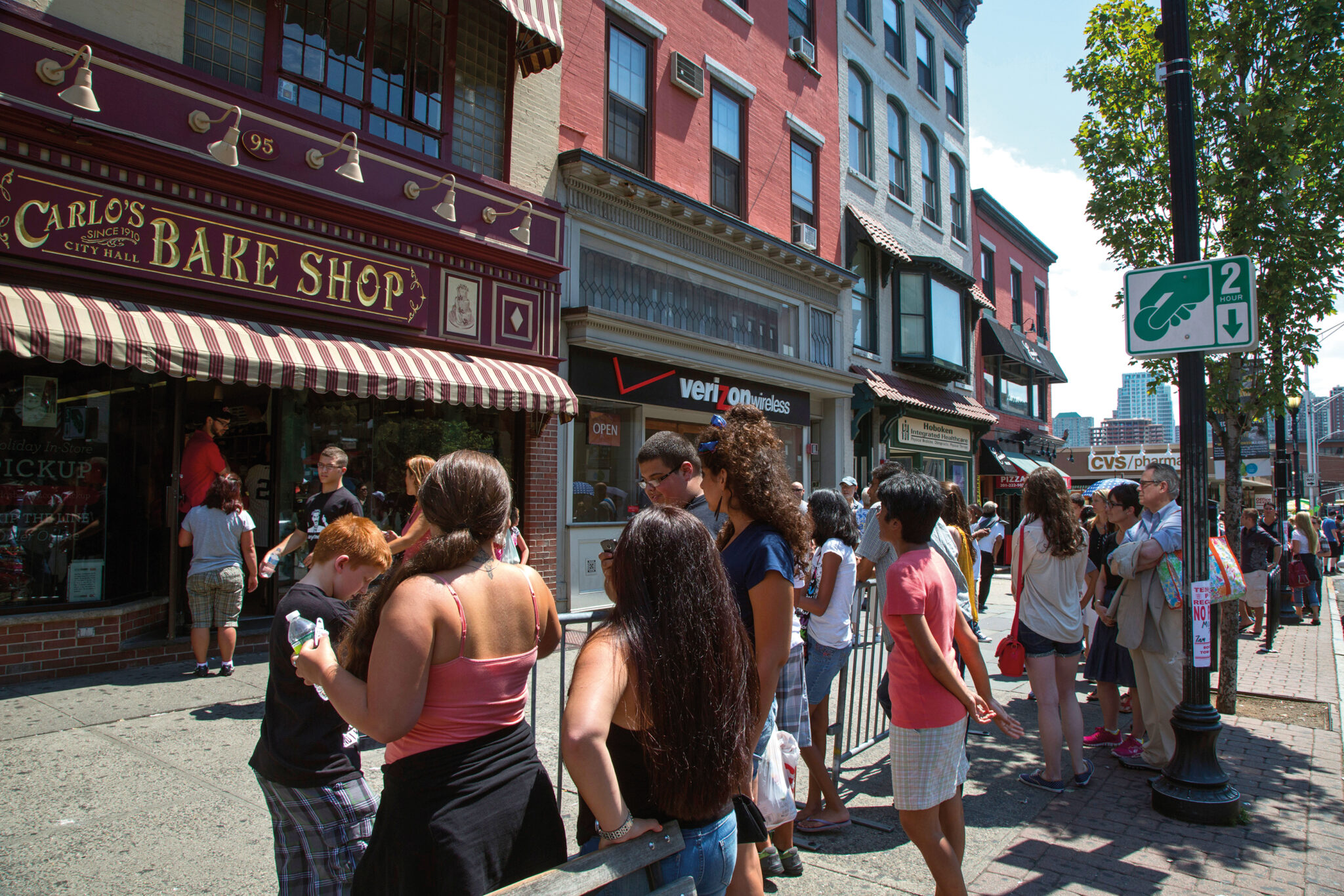
More than 1.3 million Italian Americans call New Jersey home – second in number only to New York – and that heritage shines brightest in places like Hoboken, a lively former port city along the Hudson River. Connect with Italian American locals at the annual Hoboken Italian Festival (or the Feast of the Madonna dei Martiri), a four-day jamboree featuring processions, traditional music and Italian food. If your visit doesn’t coincide with the festival, spend your time feasting on cannoli at time-tested bakeries (Carlo’s Bakery is a favourite; pictured), or tucking into heaped plates of spaghetti at classic red-sauce joints such as Leo’s Grandevous. hobokenitalianfestival.com
Texas
Tour San Antonio’s Missions with Indigenous guides
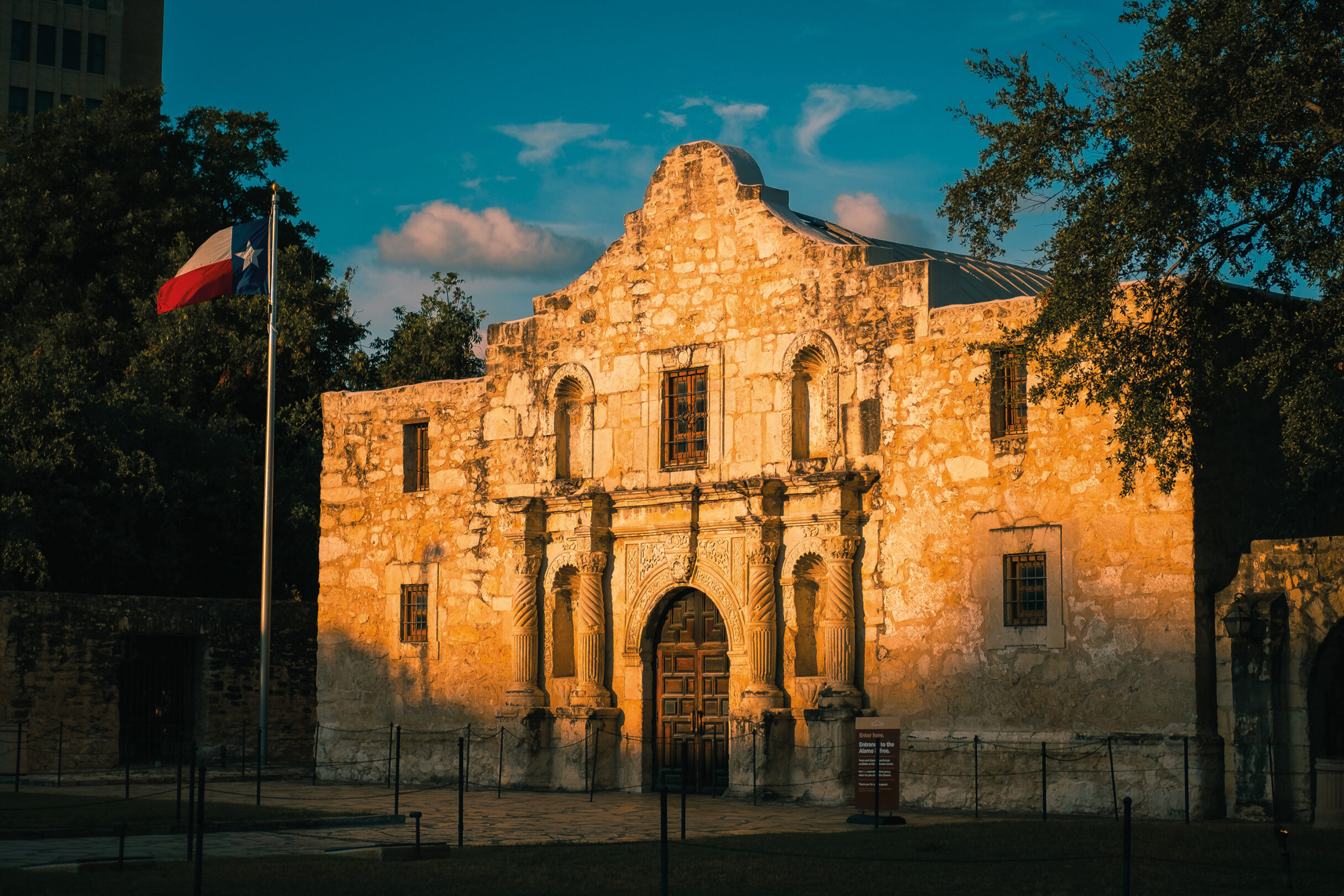
From the striking, scalloped façade of Mission San Antonio de Valero (the Alamo; pictured) to the ornate Baroque stonework of Mission San José, San Antonio’s UNESCO-listed Spanish missions are the city’s architectural crown jewels. You’ll gain a deeper understanding of these treasured monuments on a trip with the American Indians in Texas at the Spanish Colonial Missions. Their Yanaguana Mission Heritage Tours explore the missions, sharing stories about the Native peoples’ historic ties to this land and these buildings. They will also offer insights into their living culture, from foodways to festivals. aitscm.org
Ramon J Vasquez,
Director of The American Indians in Texas at the Spanish Colonial Missions
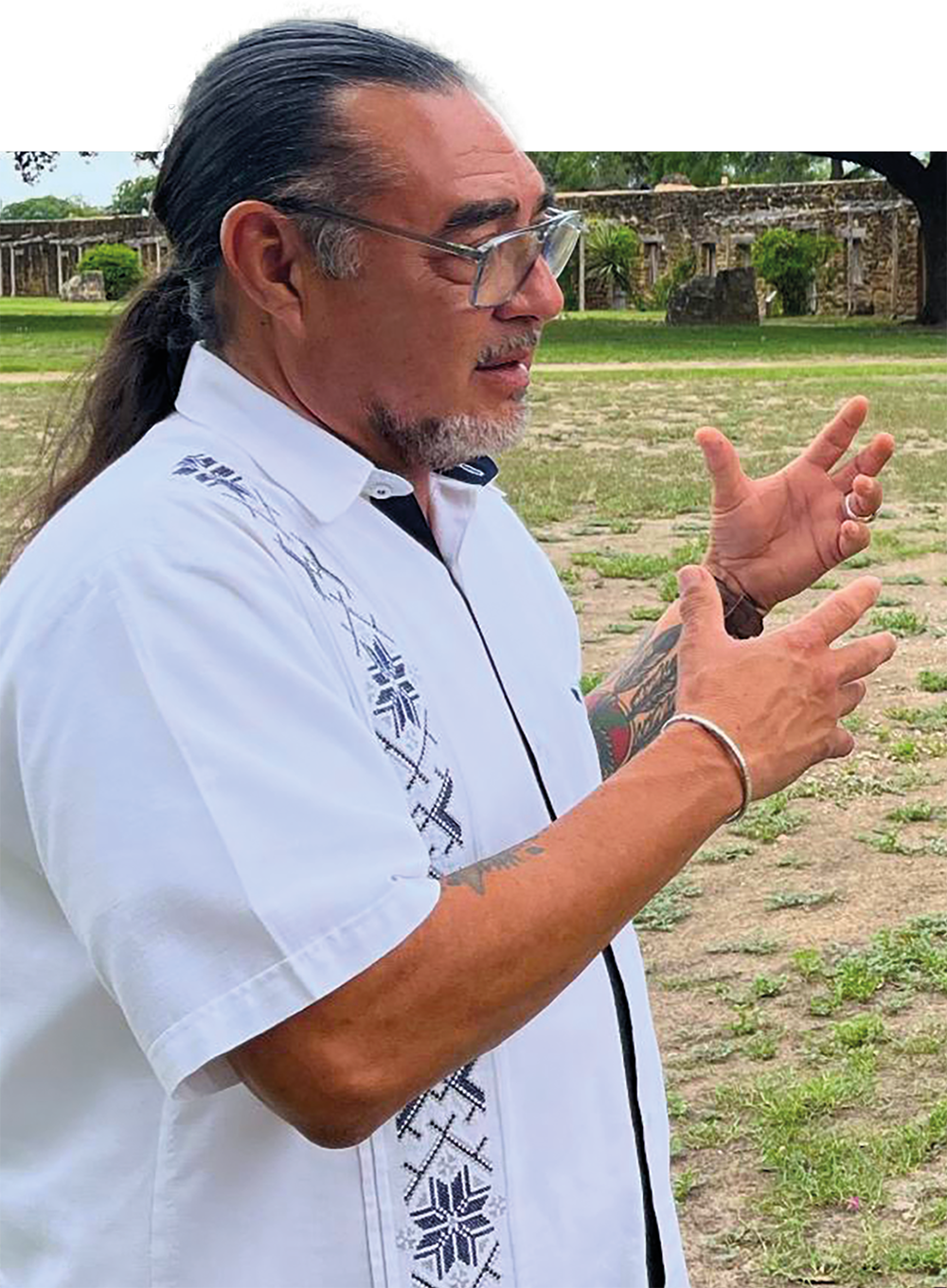
“All of our missions were built with Indigenous labour. The Spanish couldn’t have done it with the small force they had, so they relied on our people. People seem to forget that those who built these walls also lived here and died here; their descendants are still among us. We figure there are probably over 100,000 living lineal descendants from the Mission Indians that came out of the five missions. Each mission was built for specific Tribes in the area – they weren’t all the same people. And every one of the missions is still a cemetery. At the Alamo alone, there are over 1,000 people buried in front of it. Scholars in the 1920s said we were biologically and culturally extinct. That theory trained historians, archaeologists and anthropologists until the 1980s, when we started challenging it. You have to become the author of your story. Nobody else is going to tell it for you. We were human then; we’re human now. We contributed in the past, and we’re contributing now. Our people matter – they mattered then; they matter today. We’re still on the same land that our great-great-grandparents were on thousands of years ago. My dad used to say: six flags have flown over Texas; six more could fly and we’ll still be here.”
Wyoming
Connect with cowgirl history in Cheyenne
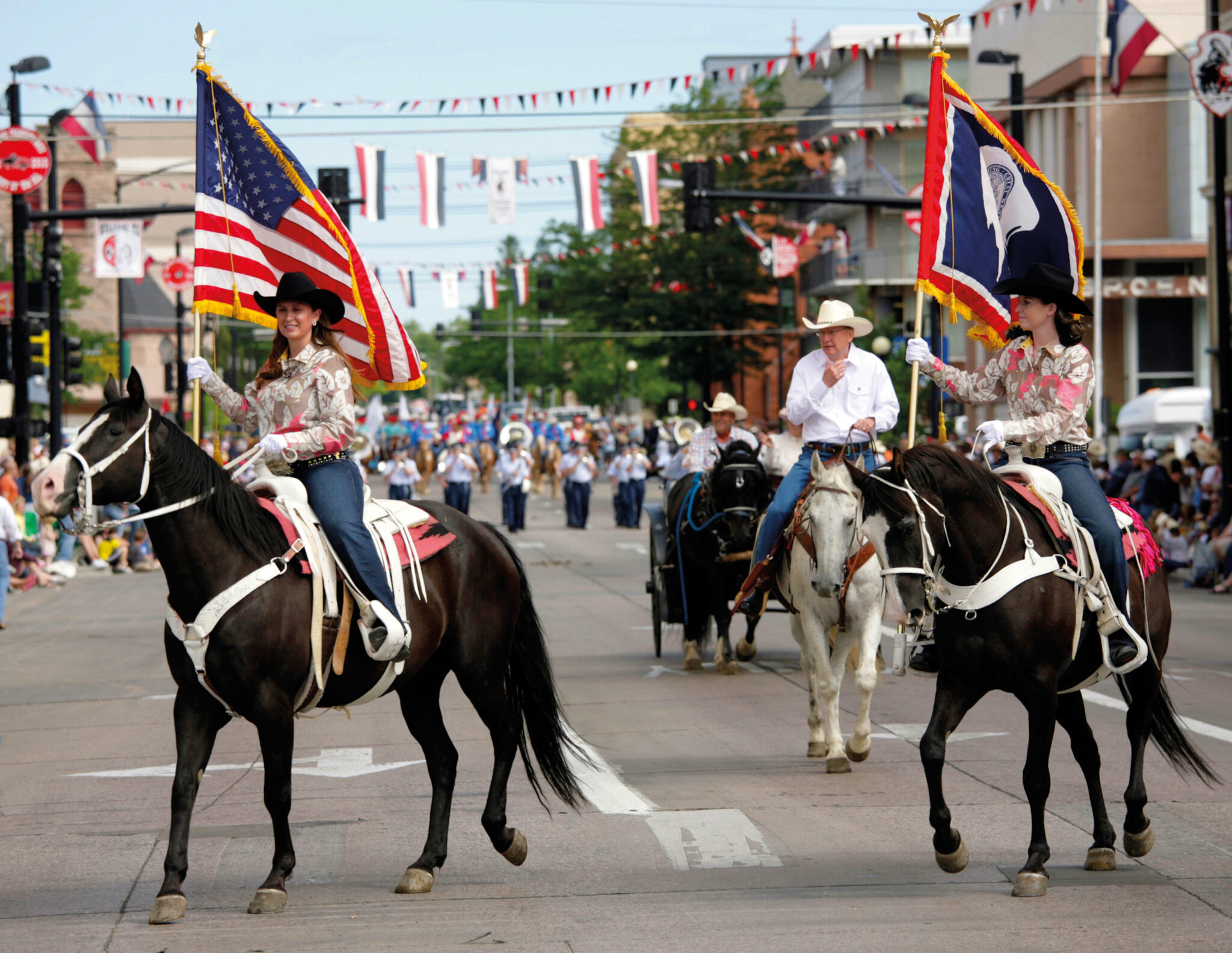
The cowgirl is often forgotten in tales of the West. But in Wyoming – especially in Cheyenne (pictured) – their spirit is brought to the fore and celebrated at the Cowgirls of the West Museum and Emporium. Here, you’ll find tales of women of the West, from rodeo stars to historical figures like Sacagawea, the Lemhi Shoshone interpreter who aided the Lewis and Clark Expedition. Beyond the museum, you can connect with modern women preserving old traditions. Browse denim at The Ranch Wife Mercantile, or see leather goods being made at the Alexis Drake studio in Downtown. cowgirlsofthewestmuseum.com
Kansas
Explore ‘America’s Little Sweden’
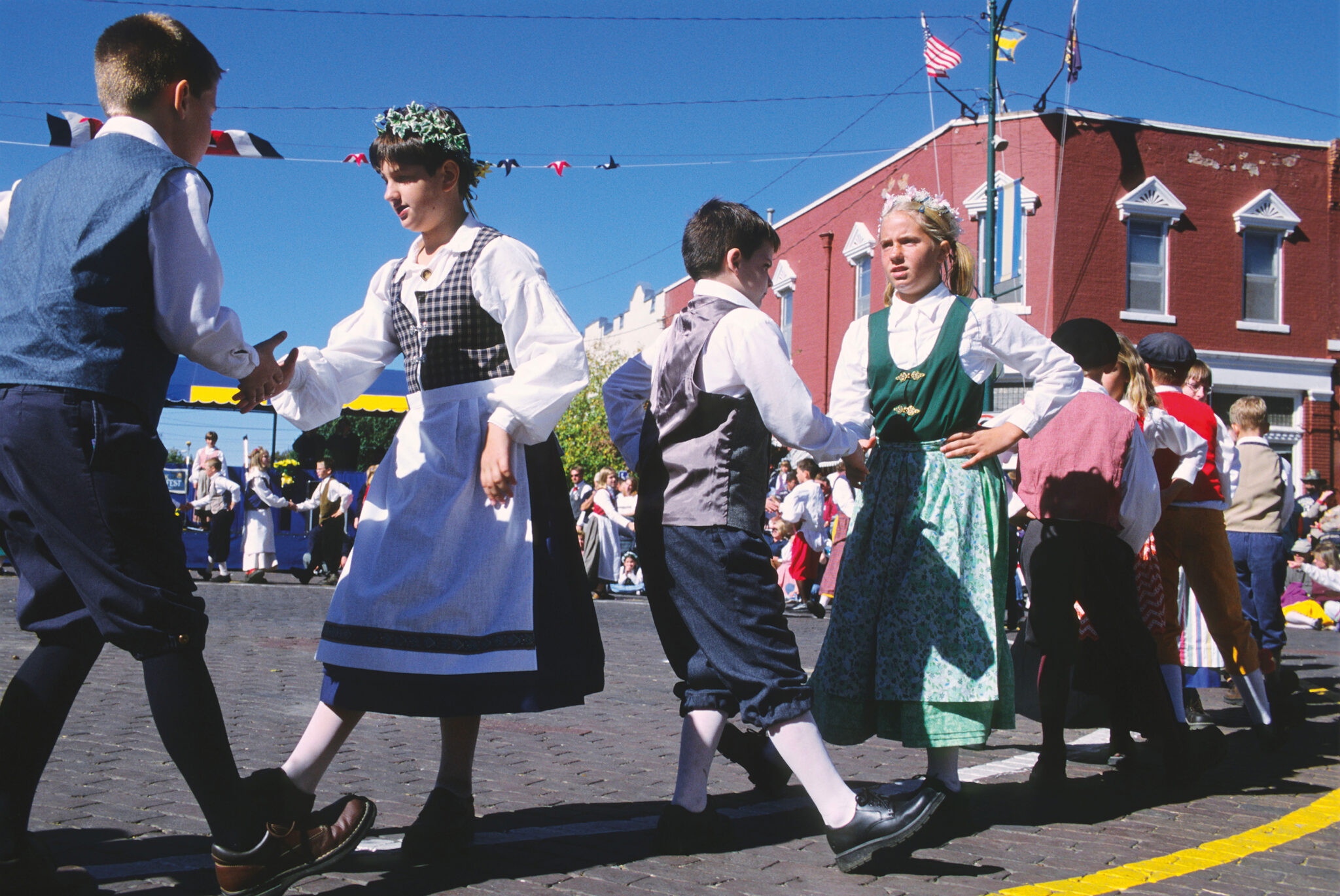
A Swedish enclave in the heart of Kansas, Lindsborg was founded in 1869 by immigrants from Värmland province. It has thrived ever since. Try to time your visit for Svensk Hyllningsfest (pictured), a biennial celebration filled with food and folk dancing. In June, Midsummer’s Festival brings another burst of Swedish culture, featuring maypoles and traditional music. Year-round, you can follow a trail of brightly painted wooden Dala horses, a Swedish folk-art tradition, or explore the Birger Sandzén Memorial Gallery, which showcases works by the lauded Swedish-born painter. visitlindsborg.com
South Carolina
Take a guided tour of Mitchelville
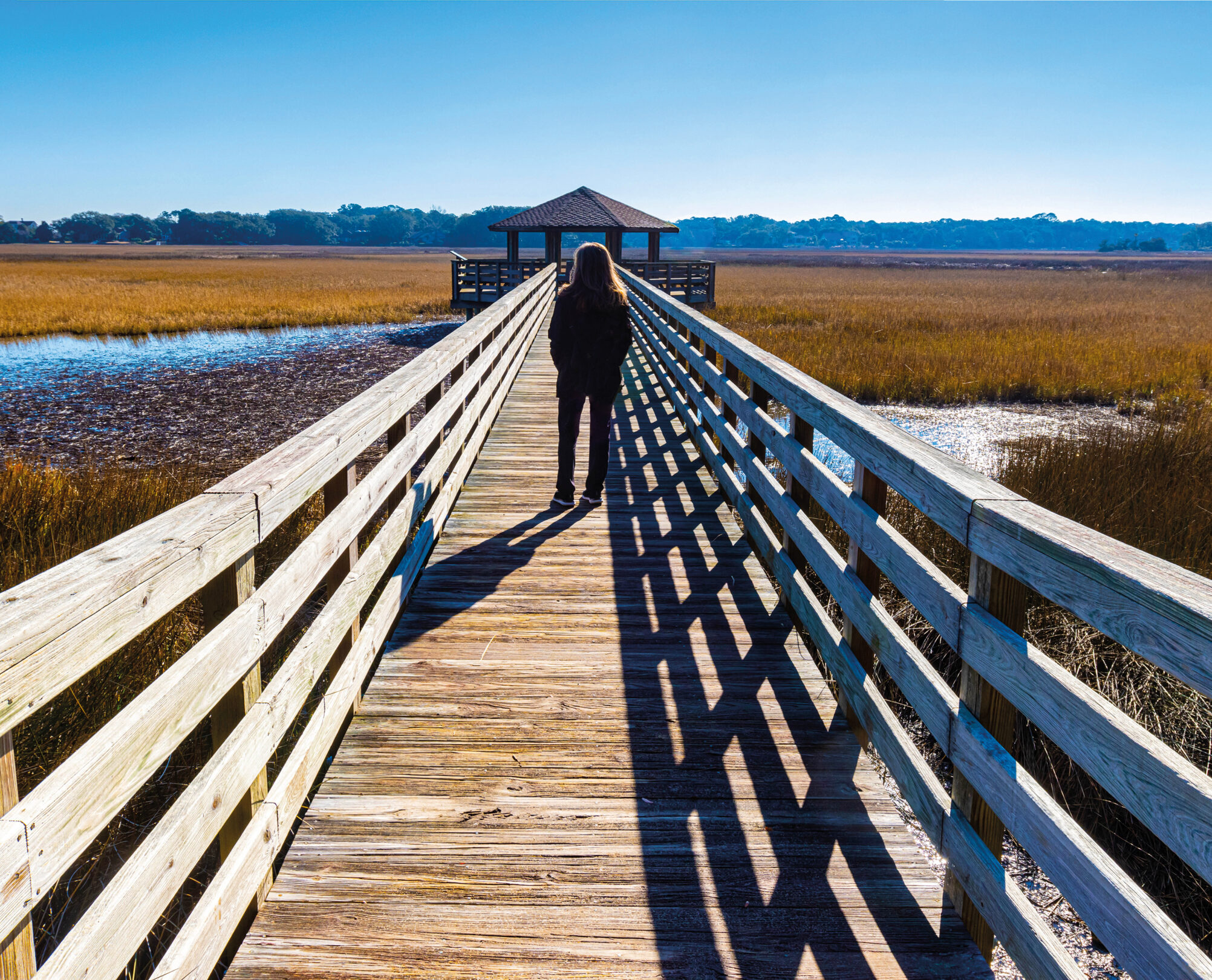
Tucked away on Hilton Head Island, Mitchelville is one of the USA’s most important yet overlooked heritage sites: the first self-governed town of formerly enslaved African Americans. Established in 1862 on the grounds of the former Drayton Plantation, Mitchelville grew into a thriving community. By the end of the Civil War, around 1,500 freed men, women and children called it home. Today, Historic Mitchelville Freedom Park (pictured) remains a
stronghold of Gullah Geechee culture. A bespoke guided tour with sixth-generation islander Lola Campbell is one of the best ways to explore this. Excursions include deep dives into the history and culture of Mitchelville, plus food experiences with a Gullah chef and basket-weaving workshops. binyahhi.com
Lola Campbell, Tour guide

“What makes Mitchelville so important is not only its ‘firsts’ – first Black-elected town officials, first compulsory education laws in the state of South Carolina, first self-run Black community on US soil – but the vision it represents. These men, women and children were not simply freed; they were empowered. They built homes, planted crops, created churches, elected leaders and established schools… Mitchelville is more than a historical site; it’s a blueprint for liberation, self-determination and dignity. And it’s not a story of slavery, but instead one of freedom. The Gullah Geechee culture is a rare and living treasure. It’s the only distinctly African American culture recognised by an act of Congress, preserved by descendants of West and Central Africans who were enslaved along the south-eastern coast – from North Carolina to Florida – and who retained much of their African heritage in their language, foodways, spirituality, crafts and community life. What makes Gullah Geechee culture so special is its authenticity, resilience and the richness of its African roots – passed down through generations despite centuries of displacement, oppression and erasure. Sharing this culture with travellers allows them to experience an America they won’t find in textbooks. Preserving it isn’t just about honouring the past; it’s about safeguarding the identity, land and legacy of a people who have shaped the soul of the Lowcountry and beyond.”
Washington
Take a market-to-table cooking class in Seattle
For more than a century, Pike Place Market (pictured) has been a Seattle institution, famed for its showboating fishmongers, who hurl their catches across the counter. No less appealing are its food vendors, who dish up some worldly eats, from pasta to pierogi. And there’s no better way to explore than with a local. Join Seattle chef Traci Calderon, who leads tours through the market’s aisles, weaving in its history and culture with plenty of vendor meet-and-greets. Each tour culminates in a cooking class using seasonal ingredients gathered along the way. atriumkitchenpikeplace.com
Illinois
Eat your way around Chicago’s Chinatown
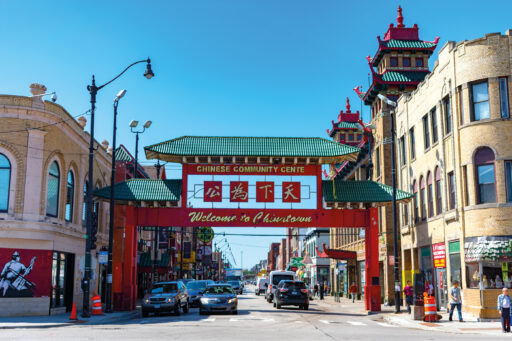
Chicago’s Chinatown is one of few in the US that is continually evolving and growing. Highlights include its ornate gate (pictured) and a string of traditional food spots. Stop by restaurants doling out steaming dim sum, or bakeries heaving with egg tarts and baos. To get some local insight, join the Chicago Chinese Cultural Institute for a 90-minute walking tour exploring Chinese history in the city, or a three-hour food tour sampling the district’s top bites. You can even book hands-on cultural workshops, ranging from paper-cutting to dumpling making. chicagocci.com
Vermont
Dine in Vermont’s backyard
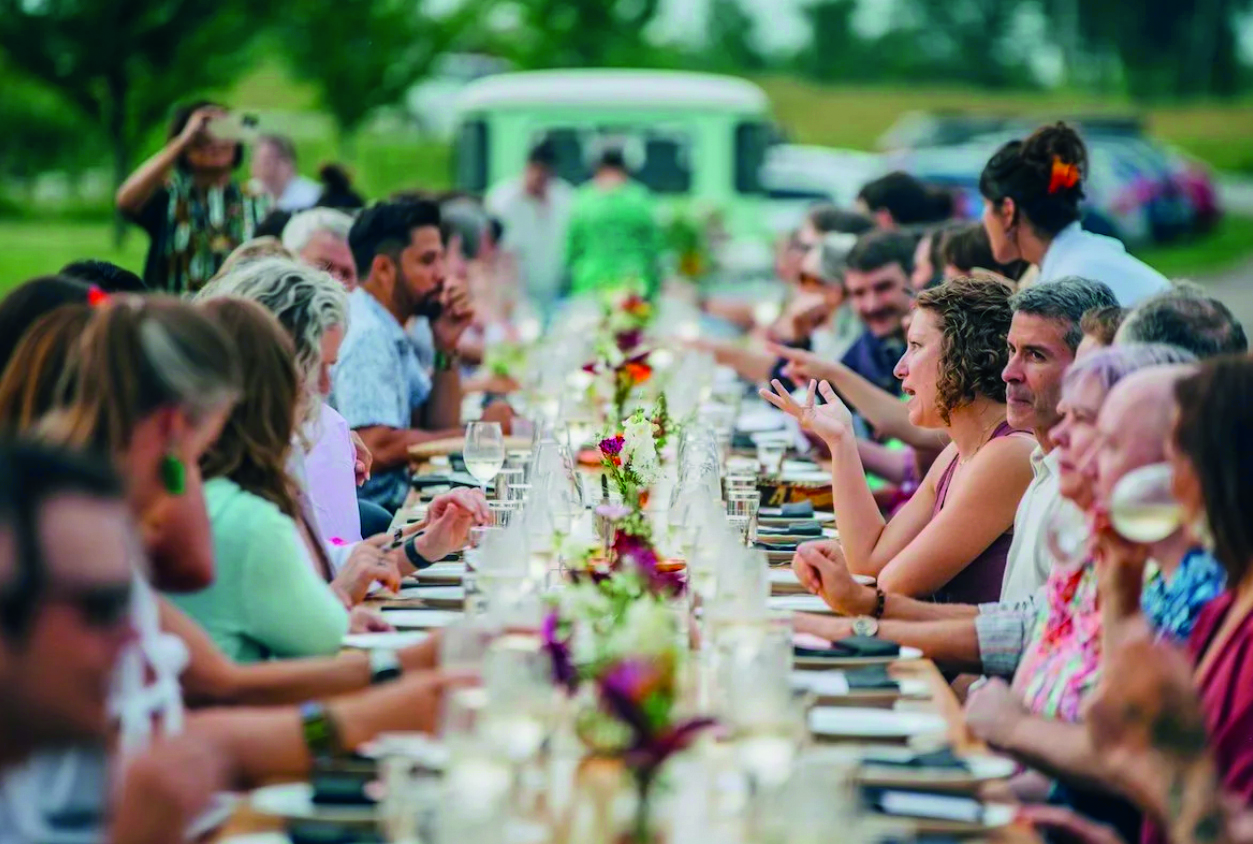
With its river-threaded valleys and farmland dotted with squat red barns, Vermont’s countryside could be mistaken for a pastoral painting. One of the best ways to savour it is with an al-fresco dinner that celebrates the state’s bounty of fresh produce. Based in Colchester, Adventure Dinner does exactly what its name suggests: it organises farm-to-table feasts (pictured), prepared by local chefs, in ever-changing locations across the state, from open pastures to historic barns. You’re likely to find yourself dining alongside locals as you tuck into everything from artisanal Vermont cheese to craft cocktails. adventuredinner.com
North Carolina
Sample wine in the USA’s oldest Indigenous-owned winery
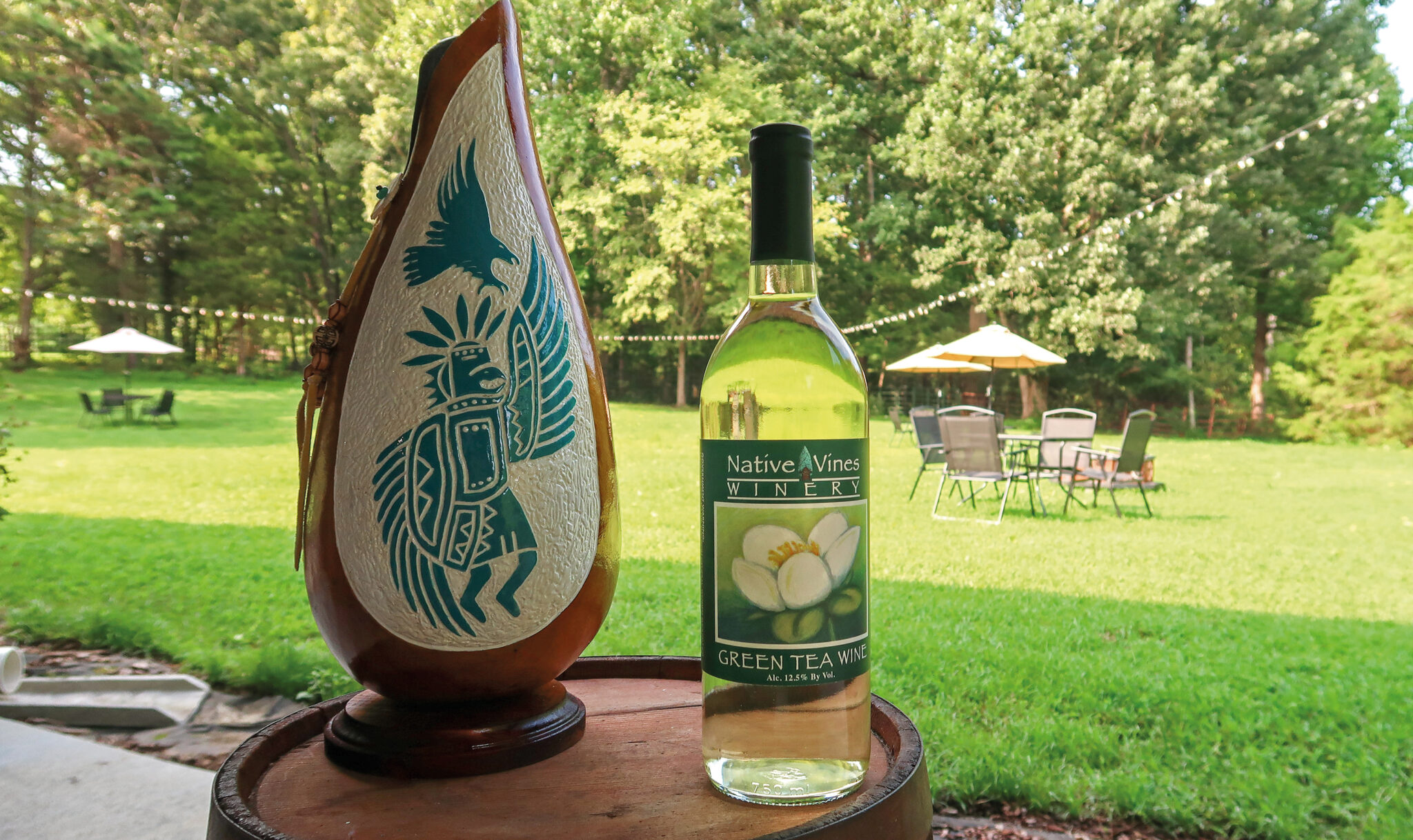
North Carolina’s wine scene may be less famous than California’s or Virginia’s, but the state is home to more than 250 wineries and vineyards, spreading from the foothills of the Blue Ridge Mountains to the gentle slopes of the Piedmont. Here, vintners bottle everything from crisp European-style Chardonnays to the distinctly Southern muscadine and its golden cousin, the scuppernong, North Carolina’s official state fruit. In Lexington, better known for its barbecue, vineyards are now coming to the fore. Notably, it’s home to Native Vines Winery (pictured), the first Indigenous-owned winery in the US. Drop in for a guided tasting or to catch a Southern rock show or food-truck gathering. nativevineswinery.com
Victoria Lewis,
Manager at Native Vines Winery
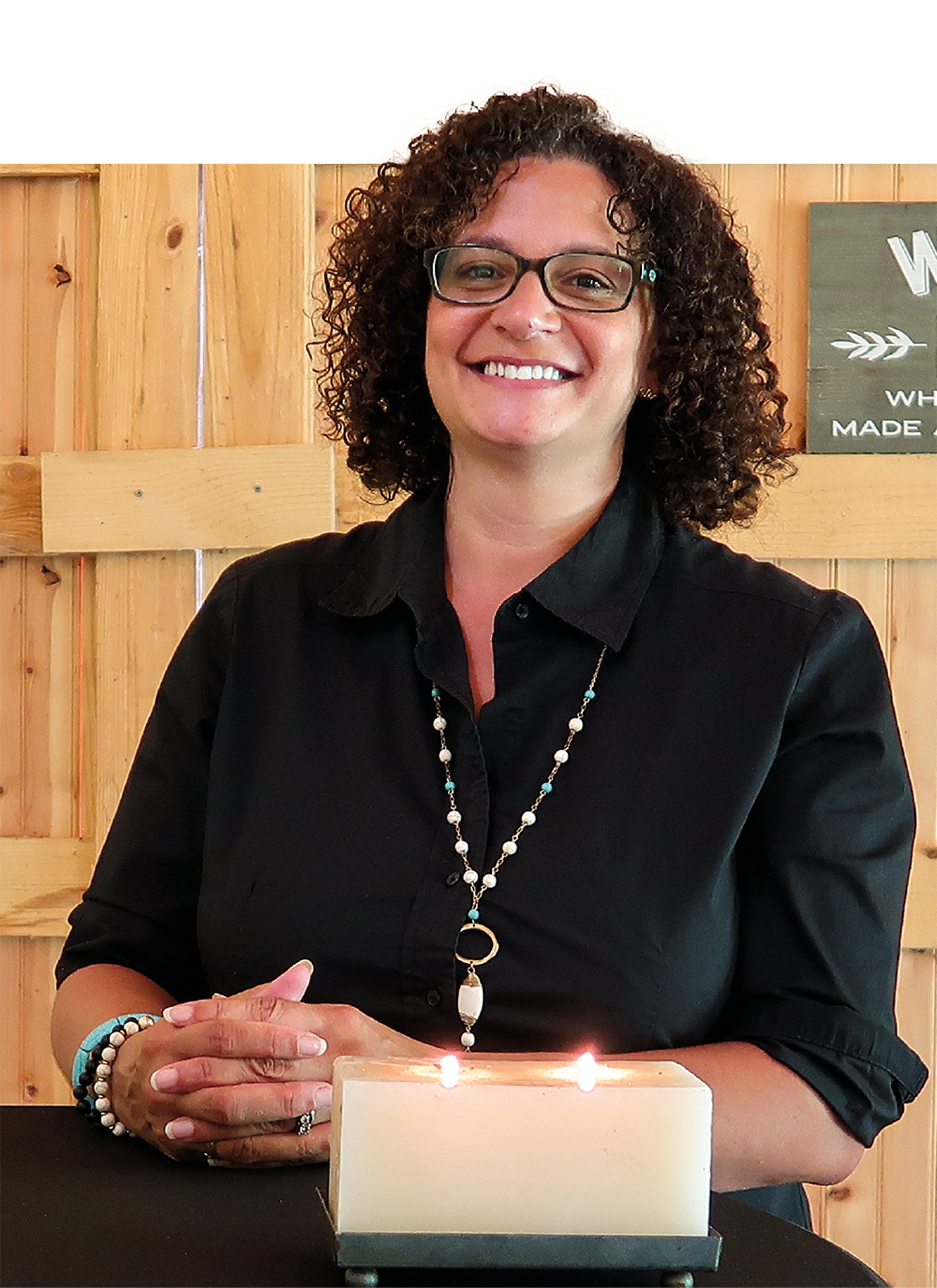
“The winery started as a hobby of my mom, Darlene Gabbard, in the early 2000s. The ‘Native Vines’ name originated from the native blackberry vines that grew all over our 40 acres [16 hectares] of pasture and woodland, but it was also a clever play on our being Native American as well. We are very proud of our Lumbee heritage and are always excited to share our Indigenous culture. Darlene was looking to find other Native-owned wineries in the US and was surprised that she would be the first. Unfortunately, the Keyauwee Tribe has not survived here in Davidson County, but we are able to remind our customers that all the lands were once inhabited by Native peoples. We continue to find arrowheads all over the farm, and we are happy to share the local history. Anyone who farms is going to be connected to the land they are working: you want your soil to be healthy and pollinators to thrive for a large harvest. We have always tried to protect the local fauna and flora here on the farm by avoiding pesticides and allowing indigenous plants to thrive.”
Missouri
Savour a barbecue tour of Kansas City
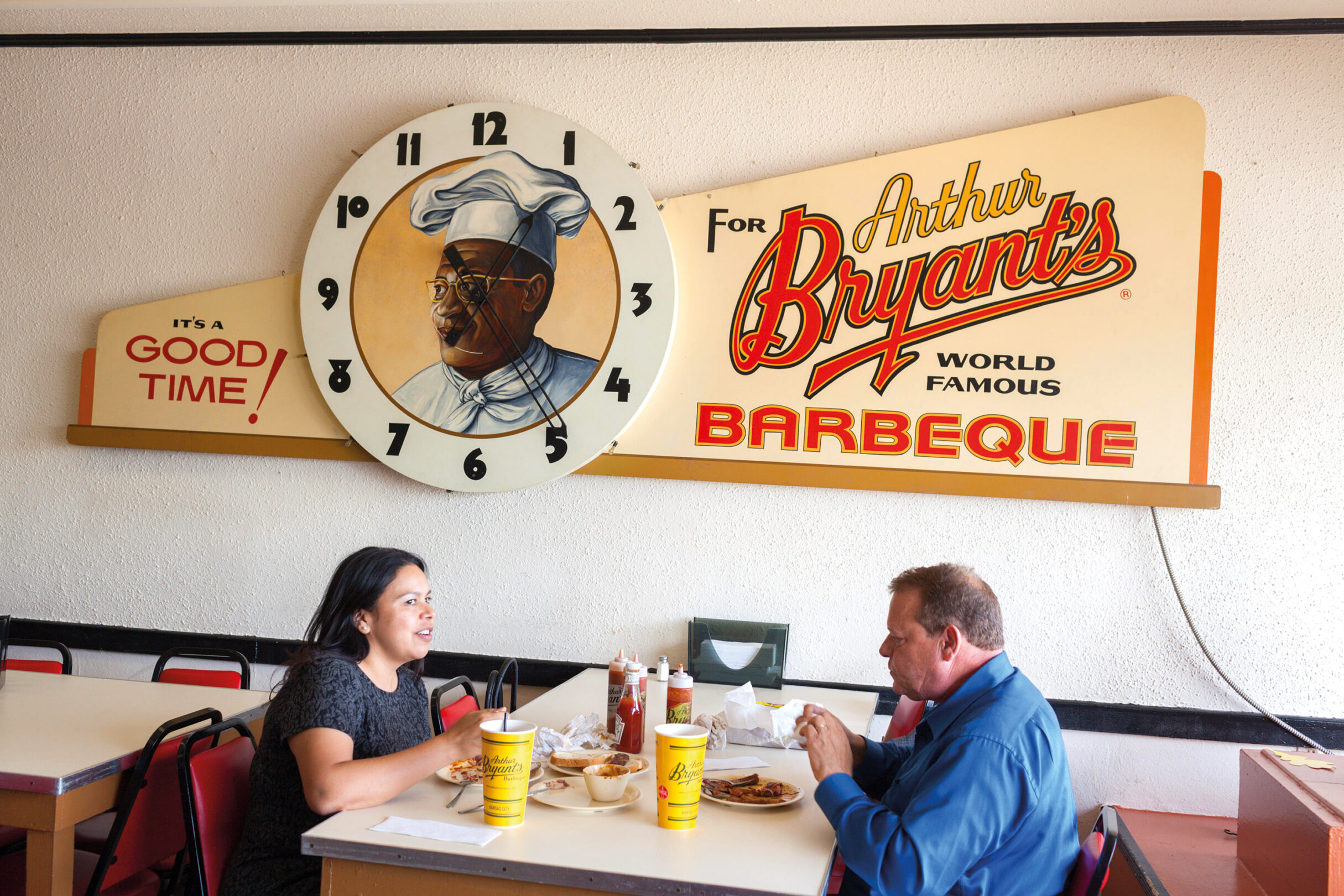
Kansas City’s reputation for barbecue precedes it. Across the city, pitmasters dish up hickory-smoked meats and caramelised burnt ends, all smothered in sweet, tangy sauce. Barley Bus’ Kansas City BBQ Tour offers the perfect introduction to this culinary tradition, with local guides taking you out to sample the city’s delicacies (pictured). Among the highlights is Gates Bar-BQ, a stalwart since 1946, known for its punchy signature sauce. Another standout is Hawg Jaw Que & Brew, a barbecue joint-cum-microbrewery that pairs burnt ends and signature sandwiches with craft beer. barleybus.com
Ohio
Taste the world in Cleveland’s Tremont neighbourhood
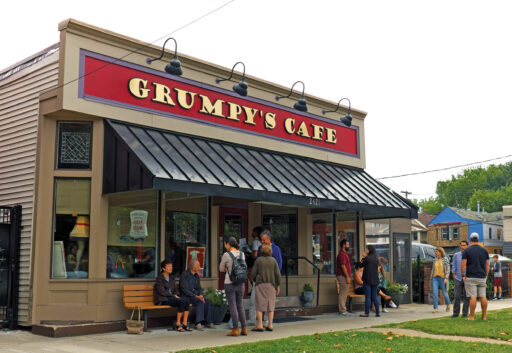
Often overlooked, Cleveland’s dining scene spans continents. This is especially true of the historic Tremont neighbourhood (pictured), where passionate local guides are on hand to introduce you to the area’s layered culinary heritage. You’ll learn how the food culture here was shaped by waves of immigration – from Germans to Poles to Lebanese – drawn in by the city’s burgeoning industry (especially steel). That has provided rich fodder for global eats that might include stuffed cabbage in a down-home Polish restaurant or dumplings and sake in a Japanese izakaya. Book a Tremont Food Tour with Taste Cleveland Food Tours to feast your way around the district with the locals who know it best. tasteclevelandfoodtours.com
New Hampshire
Make maple syrup at the Prescott Farm Environmental Education Center
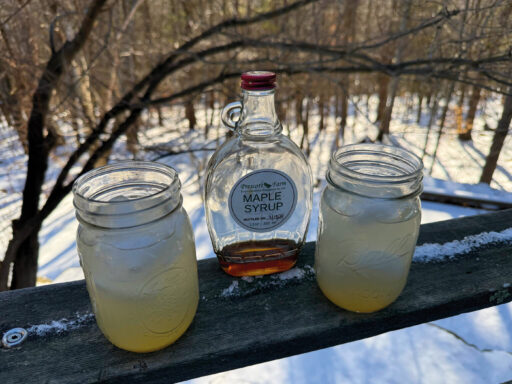
Prescott Farm offers experiences year-round, but it truly comes into its own in late winter and early spring, when the maple trees are ready for tapping (pictured). After a hike to the sugar house, guides share the history of this New England custom – including Indigenous origin stories – and give you a hands-on lesson in maple tapping. You’ll also learn how to make maple candy. Visit outside sugaring season and you can try your hand at collecting and infusing honey, or crafting your own soap instead. prescottfarm.org
Oregon
Sip and forage in the Willamette Valley
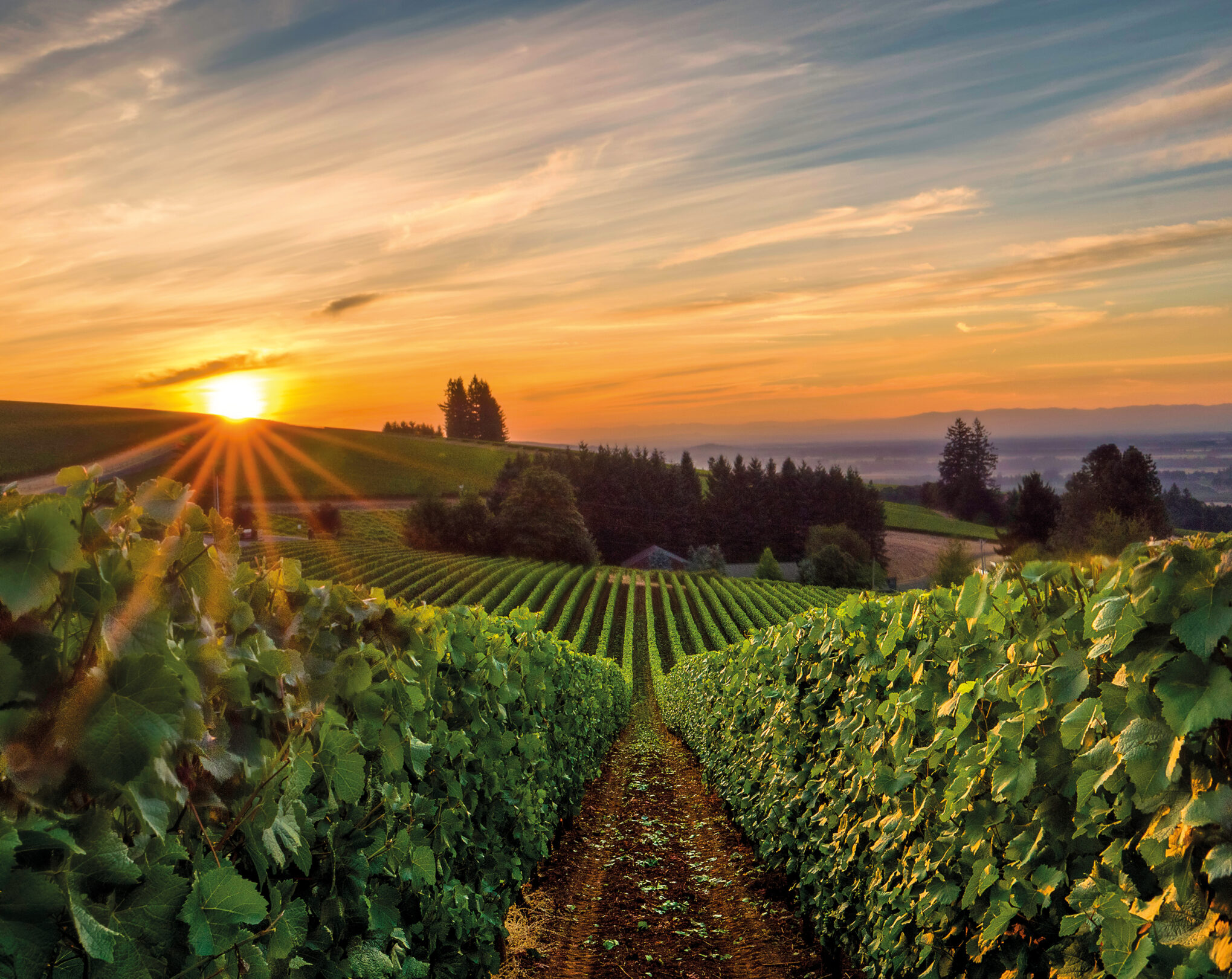
Oregon’s Willamette Valley (pictured) is easy on the eye – all rolling hills, snaking waterways and misty views of the Cascade and Coast ranges. It’s also one of the most fertile regions in the US, its soils enriched by river sediment and mineral-filled volcanic ash. Oregonians take full advantage of these soils, growing everything from hazelnut trees to hops, as well as grapes for some of the world’s best pinot noir. To get a taste of it for yourself, book a trip with Black Tie Tours, who showcase the region’s best wineries on their customised tours. You can also join their truffle-foraging excursions, for which you’ll accompany a truffle dog to hunt for these tiny treasures beneath the forest floor. blacktietours.com
North Dakota
Munch your way around Fargo
The cultural and culinary output of North Dakota’s largest city is sorely underrated; however, a local food tour offers the perfect introduction to Fargo. North Dakota is one of America’s agricultural powerhouses, and Fargo’s food scene reaps the rewards with its artisanal bakeries, independent breweries and farm-to-table restaurants. The locally led Fargo Food Tours (operated by Secret Food Tours) takes visitors to the city’s local hotspots. Among the many disparate cuisines, you’ll encounter restaurants drawing on Scandinavian heritage through hearty knoephla soup (pictured) and lefse (a traditional Norwegian flatbread), as well as German-style beer halls serving pretzels and bratwurst. secretfoodtours.com

Georgia
Sample Lowcountry cuisine in Savannah
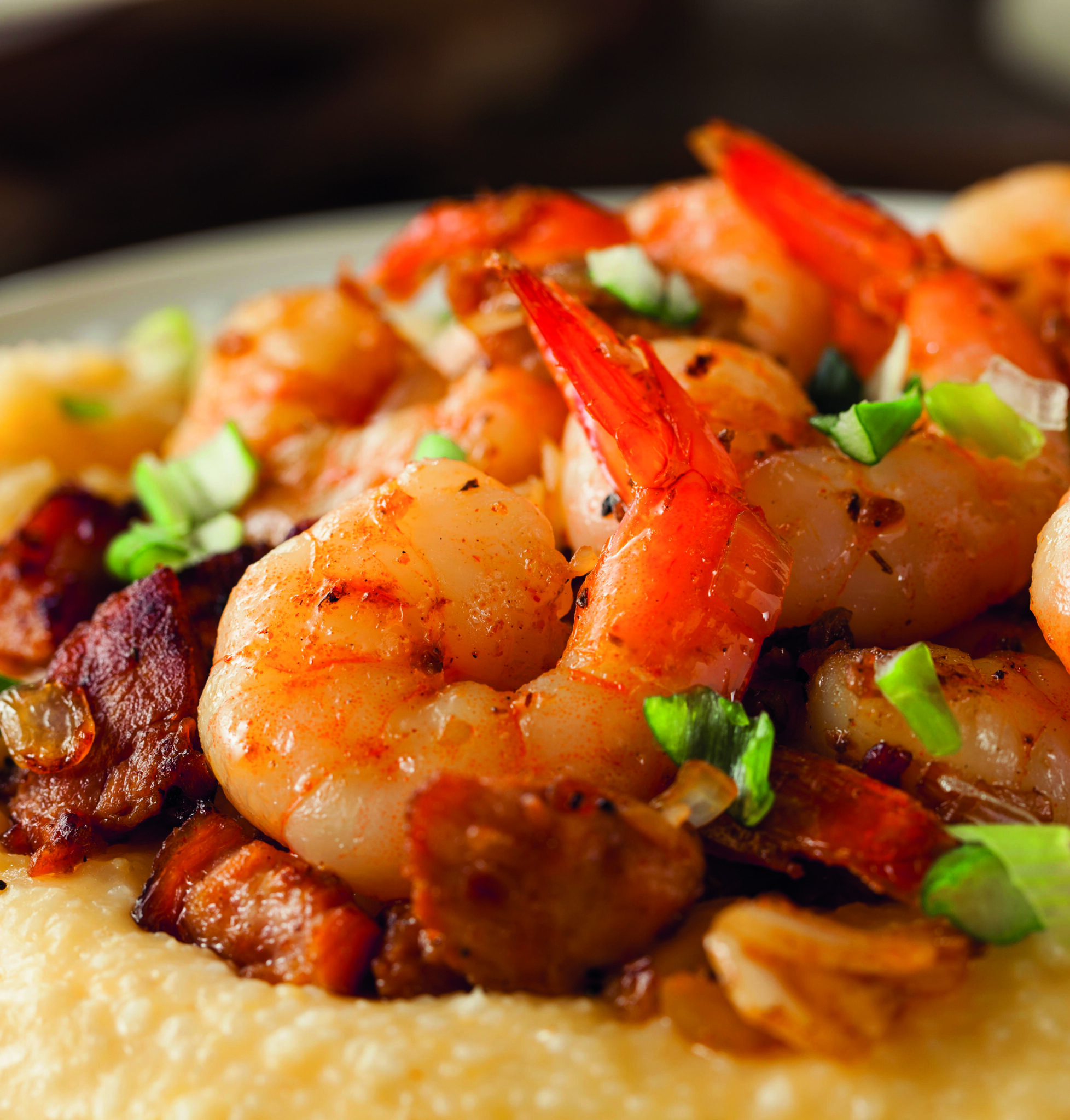
Living up to its ‘Hostess City of the South’ nickname, Savannah offers some of the best dining in the region, and a Southern Traditions Dinner Tour (pictured) with Flavors Food Tours takes you straight to the city’s top eats. The focus is on classic Lowcountry cooking, with East Coast oysters and shrimp and grits (pictured) on the menu. All that feasting comes with a rundown of Savannah history from your knowledgeable local guides. flavorsfoodtours.com
Louisiana
Take a bite of New Orleans’ Vietnamese heritage
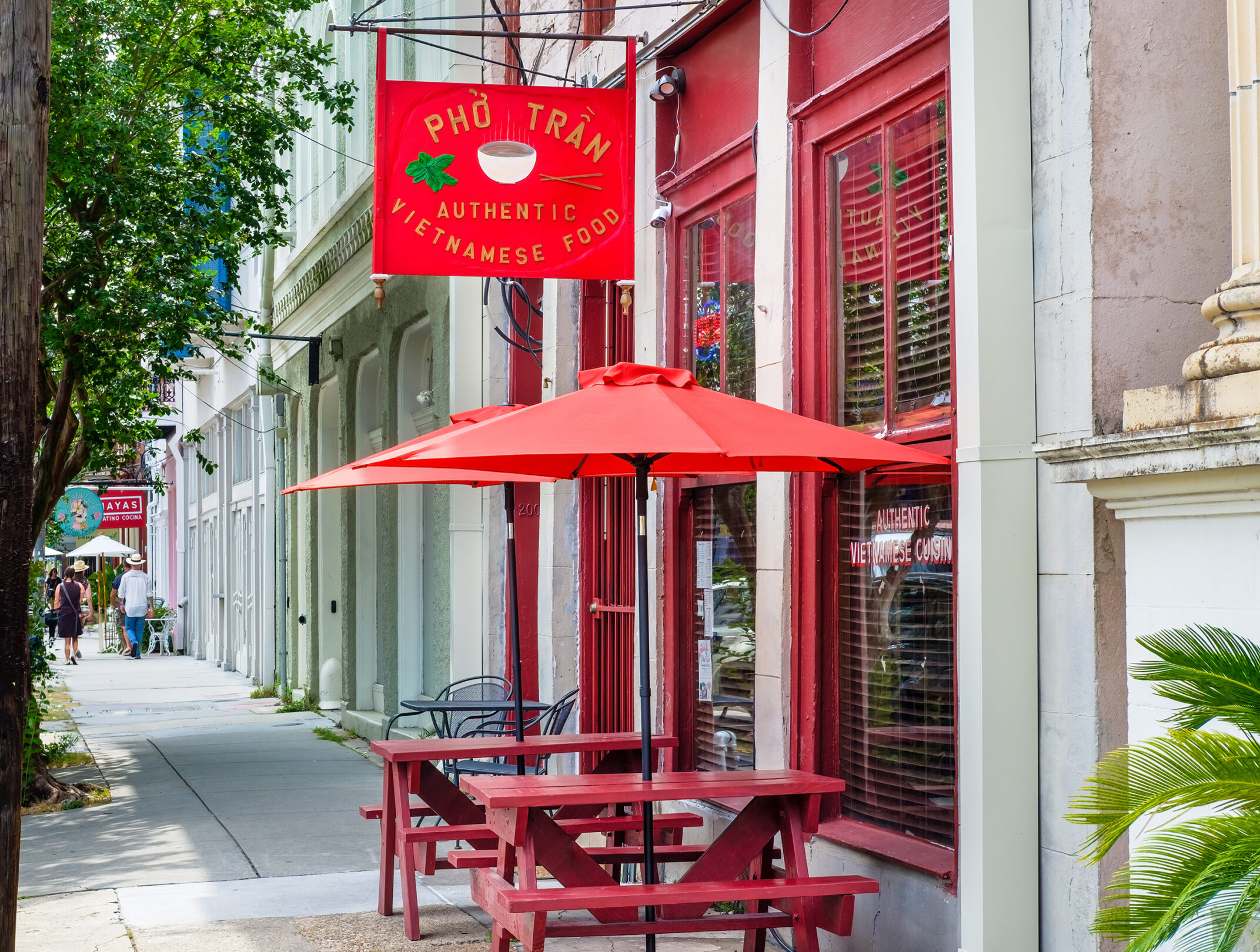
After the Fall of Saigon in 1975, thousands of Vietnamese refugees made their way to the USA – and New Orleans in particular. Many put down roots in the Versailles neighbourhood (pictured top) of New Orleans East – often dubbed ‘Little Vietnam’ – which grew into one of the South’s most vibrant Vietnamese American enclaves. They carried with them rich traditions, especially culinary ones, that continue to thrive today – and the best way to experience Vietnamese culture in the Big Easy is at the table. Beloved Dong Phuong Bakery, founded in 1981 by immigrants De and Huong Tran, is still family-run. Its counters brim with flaky pastries and hefty banh mi – crusty baguettes spilling over with pork and herbs – while Mardi Gras brings the city flocking for their iconic king cakes. Just up the road, Ba Mien is another cornerstone of the neighbourhood’s dining scene, known for its steaming, fragrant bowls of pho. chefanh.com
Chef Anh Luu, Owner of Xanh

“I think that the community really thrived here because Vietnamese and New Orleans culture have many intersections, including French influences on food and lifestyle. The spirit of New Orleans is rich in community and resilience, having often had to rebuild after hurricanes. These are the same qualities that anchor the Vietnamese community, which has had to rebuild from war. After Hurricane Katrina flooded the city in 2005, many members of the Vietnamese community, including my own parents, had their whole lives destroyed again, having to relive the pain they were trying to leave behind. Twenty years later, we are still thriving. Today, the Vietnamese community has really embraced New Orleans culture, from fusion food to having the first-ever all-Asian Mardi Gras krewe, the Krewe of PhantAsia. Many corner stores and small markets owned by Vietnamese people are serving soul food and boiled crawfish alongside fried rice and noodle soups. I also do a pop-up kitchen called Xanh that focuses on Vietnamese street food (with a Cajun twist). I’ll make ‘phombo’ (gumbo made with pho broth and rice noodles), rice-paper salads or Vietnamese pizza. There are some great exhibits celebrating 50 years of the Vietnamese community living in New Orleans, including Making It Home (until Oct 5) at The Historic New Orleans Collection.”
Wisconsin
Take a beer tour of America’s ‘Brew City’
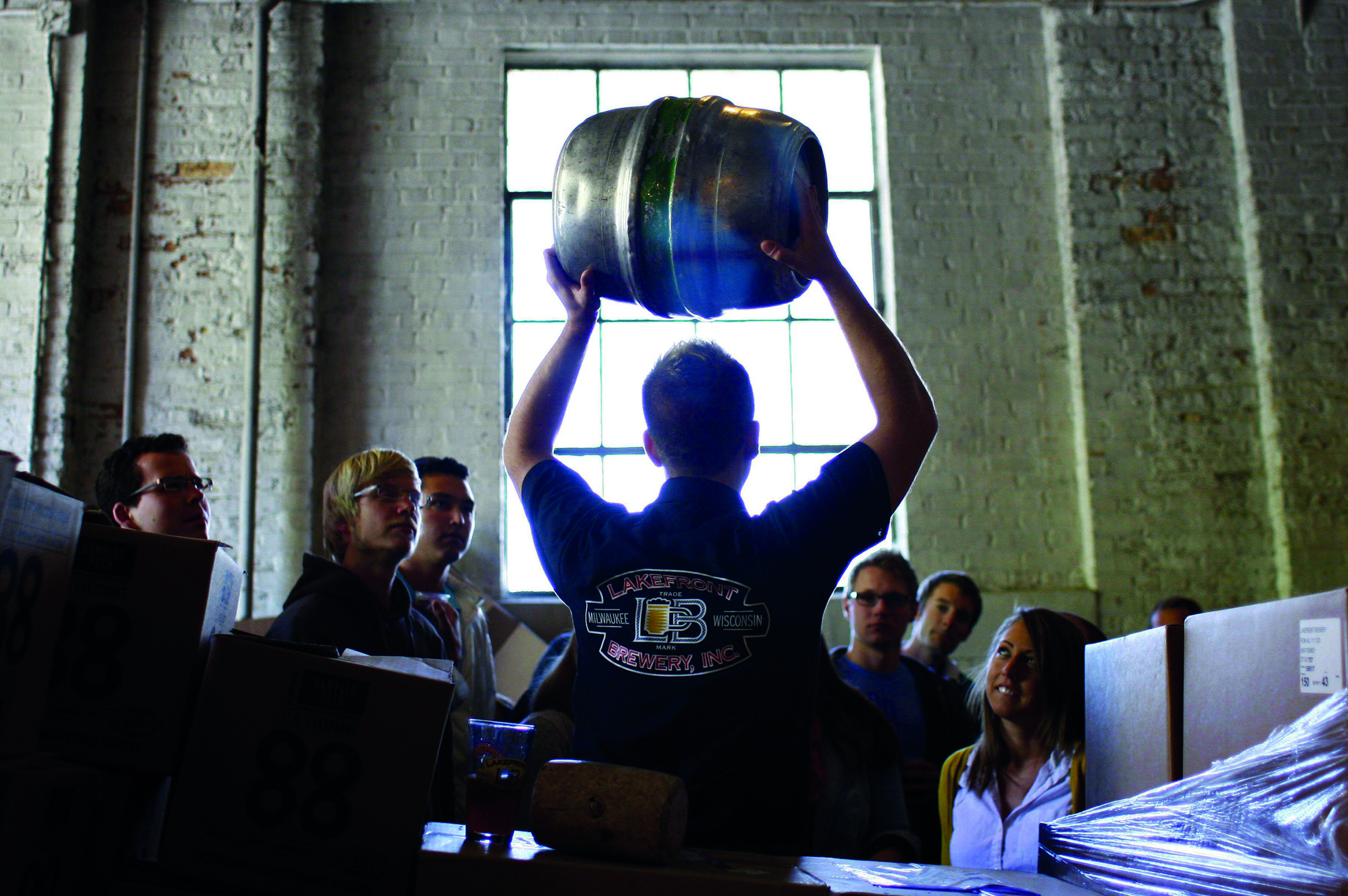
While cities such as Portland and Denver are celebrated for their craft-beer scenes, Milwaukee’s brewing culture is often overlooked. However, this city was once hailed as the ‘Brewing Capital of the World’. In the 19th century, German immigrants arrived in large numbers, bringing with them a rich beer-making tradition that fuelled some of the nation’s biggest brewers, from the Pabst Brewing Company to the now-defunct Schlitz Brewing Company (once the largest beer producer in the country). Today, Milwaukee’s booming craft-beer scene tips its hat to that legacy, and guided trips with City Brew Tours honour both the city’s brewing history and its modern innovation. The Original Brew Tour spans five hours, sampling some of the finest local pours, including those at the Lakefront Brewery (pictured), which is lauded for its Wisconsin-sourced ingredients. citybrewtours.com
Virginia
Explore one of the USA’s oldest wine regions
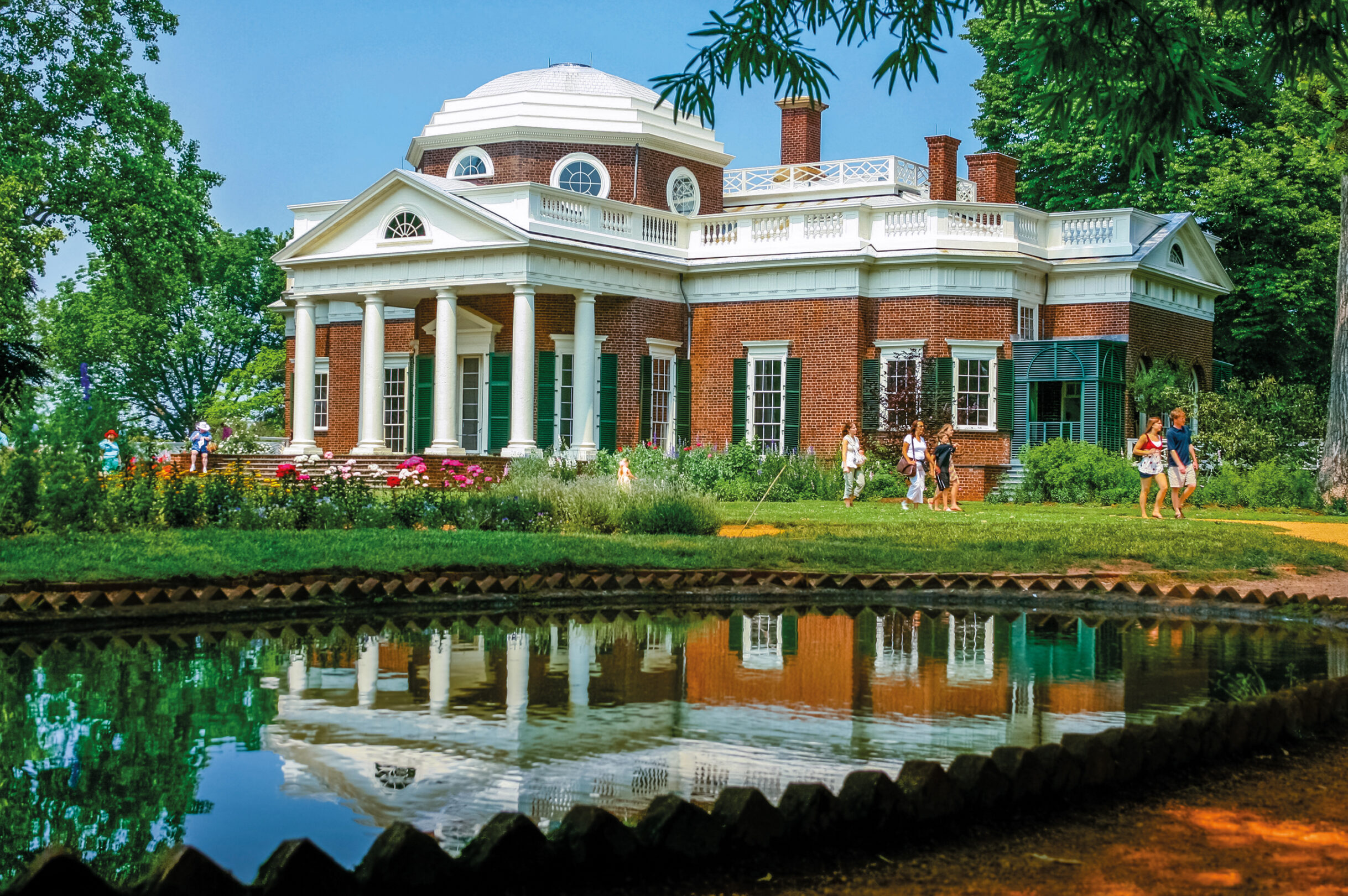
The origins of Virginia’s wine story date back to 1609, when the settlers of Jamestown planted the first vines here. In the 1770s, future president Thomas Jefferson tried his own hand at viticulture on his Monticello estate (pictured), working with Italian viticulturist Filippo Mazzei. These early efforts failed, but they laid the roots for Virginia’s wine scene. Today, the state is home to more than 300 wineries. For a taste of the best, focus on the Charlottesville area and the Monticello AVA – Virginia’s oldest. The family-run Baileys Retreat Tour Co also offers customisable trips along the Monticello Wine Trail, which is home to more than 40 acclaimed wineries. brtourco.com
Photography: Alamy; Manos Libres Media; San Diego Tourism Authority; Shutterstock; The Church Studio; Christopher Street Tours/New York City Tourism and Conventions; Festival of Native Arts, University of Alaska Fairbanks; islacaribetours.com; Colin Knight; Nathan J Shaulis/Porter Loves; Backbeat Tours; Danielle Dorrie Francis/Skyline Maine Adventures; Turpentine Creek Wildlife Refuge; Indianapolis Cultural Trail; Bryan Abling; Crystal Jones; Elk River Adventures; Florida Keys and Key West; Project Oceanology; Utah Office of Tourism; Chris Granger; Sydney Martinez; Michael McDermott; Ortega’s Weaving; Visit San Antonio; Katlyne Hill Photography; Craig Distl; Secret Food Tours; Katie Palatucci/Adventure Dinner; Chef Anh Luu; Prescott Farms.


