
WANDERLUST NEWS
Giant tortoises return to a Galápagos Island for the first time in 200 years Giant tortoises return to a Galápagos Island for the first time in 200 years
Giant tortoises are once again roaming the Galápagos island of Floreana after 158 juvenile animals were released into the wild on 20 February 2026. It is the first time giant tortoises have been seen on the island since their ancestors were hunted to extinction by whalers in the 1840s.
And in a truly 21st-century twist, the juvenile tortoises were released at points meticulously chosen by using data provided by NASA to ensure optimum conditions for their survival, not just now, but in the decades ahead.
The reintroduction of the tortoises is part of the Floreana Ecological Restoration Project. Led by the Galápagos National Park Directorate, it was kickstarted in 2008 when a relic population of giant tortoises carrying the Floreana subspecies gene was discovered on the slopes of Wolf volcano on Isabela Island.
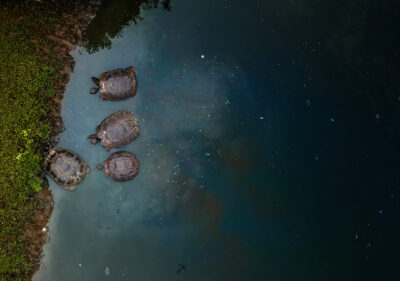
Scientists noticed that the tortoises had saddleback-shaped shells typical of the Floreana tortoises. Isabella Island species typically have dome-shaped shells. Further genetic studies revealed they were a hybrid species, originating from Floreana tortoises left on the island by the very same whalers that had hunted them to extinction on their home island.
In 2017, a group of 23 of the hybrid tortoises most closely related to the Floreana subspecies were chosen to take part in a captive back-breeding programme. They were bred to be as genetically close to the original subspecies as possible, in effect bringing the Floreana giant tortoise back from extinction.
By 2025, more than 600 hatchlings had been born. By February 2026, 158 of them were old enough and robust enough to be released back onto Floreana.

The release was the result of two decades of collaboration between scientists, charities, and the local community, with an army of locals carrying the tortoises in large grey plastic crates to various points on the island.
Dr Jen Jones, chief executive of the Galápagos Conservation Trust, described it as a “truly spine-tingling” moment.
The release of the captive-bred tortoises is another significant milestone in the restoration of Floreana’s ecosystem. An invasive species eradication programme started in 2023 removed most of the rats and feral cats on the island. Now, the return of the tortoises is expected to help bring back other native species.
“Giant tortoises are a critical part of this system,” says Rakan Zahawi, the executive director of the Charles Darwin Foundation. “By dispersing seeds, shaping vegetation, creating micro-habitats such as their well-known wallows, and influencing how landscapes regenerate, they help rebuild ecological processes that many other species depend on.”
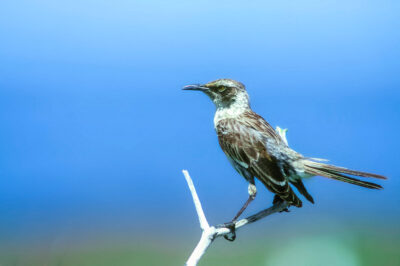
The next phase of restoration will seek to return species including the Floreana mockingbird, the Floreana racer snake, the vegetarian finch, and the little vermilion flycatcher.
Verónica Mora, a Floreana community representative, said the tortoises’ return marked the start of a future where conservation and community wellbeing go hand in hand.
“Our livelihoods, from tourism to agriculture and fishing, depend on the health of this island,” she said.