
WANDERLUST NEWS
UNESCO designates 14 new biosphere reserves UNESCO designates 14 new biosphere reserves
To mark World Environment Day and the 55th anniversary of the World Network of Biosphere Reserves, UNESCO has designated 14 new biosphere reserves across 14 countries.
The latest batch includes three nations that welcome their first biosphere reserves: Montenegro, Timor-Leste and Aruba. What’s more, Aruba’s entire territory has been designated as a biosphere, making it one of only a select handful of island nations to become a reserve.
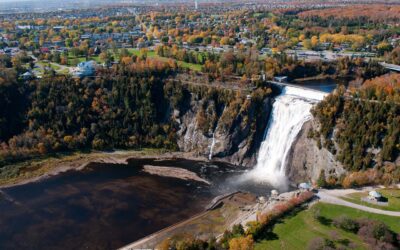
In a first for the programme, the entire metropolitan area of Québec City, Canada, has also been designated as a reserve. This reflects a growing interest in how urban areas coexist with and support biodiversity while promoting sustainable development.
First designated in 1971, biosphere reserves are sites of outstanding ecological value, learning and research. They also serve as living laboratories, helping to develop sustainable solutions to limit the effects of climate change, curb biodiversity loss and promote sustainable ways of living. The network now spans 797 sites across 145 countries.
Other recognised nations include Albania, Algeria, Azerbaijan, Cameroon, Iran, Mongolia, Paraguay, the Philippines, Portugal and Vietnam (see the full list below).
Khaled El-Enany, director-general of UNESCO, said: “Biosphere reserves prove every day that protecting nature and improving human lives are not competing goals.”
Biosphere reserves are living landscapes where conservation, scientific research and sustainable economic activity coexist. Many include towns, farms and working communities alongside protected natural areas.
One key addition is the Nino Konis Santana Biosphere Reserve in Timor-Leste, which lies within the Coral Triangle, home to more than three-quarters of the world’s coral species. On land, the reserve spans the country’s largest remaining primary forest as well as Jaco Island, which is considered sacred by the area’s Indigenous Fataluku communities. Together with the traditional fishing communities living in and around the reserve, the cultural connections make the reserve a site of profound historical and ecological importance.
In Paraguay, the Sur del Alto Paraná Biosphere Reserve is nestled within the Upper Paraná Atlantic Forest, one of the planet’s most biodiverse and threatened biomes. The area is home to jaguar, tapir, black-fronted piping guan and endemic swift species, and yet it is under increasing pressure from large-scale soy and maize production as well as illegal logging. The new biosphere recognition will support work being done locally to establish sustainable agro-ecological practices and reforest native species.

Together with natural World Heritage sites and Global Geoparks, biospheres contribute to protecting more than 13 million sq km of terrestrial and marine ecosystems, advancing the global Kunming-Montreal target of conserving 30% of land and sea by 2030.
The seven biospheres in the UK and its Crown Dependencies cover around 10% of the landmass of the British Isles, include marine areas and are home to 850,000 people. Covering more than 300 Sites of Special Scientific Interest and 20 Marine Conservation Zones, they are at the forefront of the effort to mitigate the effects of climate change and support nature recovery.
El-Enany added: “This year’s designations span every continent [except Antarctica], showing the full range of what it means to live in harmony with nature.”
The newly designated biosphere reserves are:
- Albania – Shkodër Lake
- Algeria – Theniet El Had
- Aruba – Aruba Island
- Azerbaijan – Great Caucasus
- Cameroon – Takamanda
- Canada – Québec City
- Iran – Dalankuh-Qamishlou
- Mongolia – Tost Toson Bumbiin Nuruu
- Montenegro – Skadar Lake Watershed
- Paraguay – Sur del Alto Paraná
- Philippines – Matibay na Bayan ng Sablayan
- Portugal – Serra da Estrela
- Timor-Leste – Nino Konis Santana
- Vietnam – Phong Nha-Ke Bang
Read next: Everything you need to know about UNESCO’s 12 new Global Geoparks


